



How to Cultivate Inner Calm with Mindful Breathing
Table of Contents
- The Science of Breath: Why We Should Care
- Getting Started with Mindful Breathing
- Beyond Basics: Deepening the Practice
- Navigating Obstacles: What to Do When Your Mind Wanders
- Integrating Mindful Breathing into Daily Life
- Why Mindful Breathing Matters: The Emotional Benefits
- Your Path to Inner Calm
Key Takeaways
- Mindful breathing helps transform tension into tranquility and supports emotional wellbeing.
- Regular practice of mindful breathing can reduce stress hormones and enhance relaxation.
- There are multiple techniques like box breathing and 4-7-8 breathing to deepen one’s practice.
- Integrating mindful breathing into daily routines can improve focus and emotional resilience.
- Embracing mindful breathing can lead to thriving rather than merely enduring life’s challenges.
Picture this: It’s late Sunday afternoon. You’re by the window, watching the sun melt into the horizon. The weekend—how did it fly by so fast? Grocery runs, the laundry you finally tackled, and, oh, the emails you tried to catch up with. Still, beneath all those checkmarks on your to-do list, a quiet yet persistent stress hums in the background of your mind. Recognize that feeling? You’re not alone. At the heart of life’s madness, when peace seems just out of reach, mindful breathing offers a gentle way to transform tension into tranquility.
In today’s fast-paced world, finding that inner stillness isn’t a luxury—it’s needed. Mindful breathing isn’t just an ancient practice; it’s backed by today’s science as a pivotal tool. Consider it a buoy in life’s unpredictable waters. How can such a simple act anchor you amid the chaos? Let’s dive in.
The Science of Breath: Why We Should Care
Breathing—it’s automatic, right? And yet, it holds remarkable power. According to
“Breathing transcends mere survival; it’s the thread connecting our conscious and subconscious realms.”
— Dr. Jessica Rivera, UCLA
You could say it’s a two-way street we can navigate to influence both body and mind.
Intriguingly, a Harvard study reveals that mindful breathing can trigger the parasympathetic nervous system. This, in turn, can diminish stress-induced hormones, slow the frantic pulse of a racing heart, and cultivate relaxation. Sounds like a sanctuary in a chaotic world, doesn’t it?
Directing attention to your breath immerses you in the present, banishing those swirling clouds of anxious thoughts. The American Psychological Association noted—and if we believe them—that those who zeroed in on their breathing experienced a drop in cortisol, that pesky stress hormone.
Take Maya, for example. At 28, she was in the thick of a divorce. Skeptical at first, she found that a few grounding breaths each day began to ease her mind and heart. That’s powerful stuff.
Getting Started with Mindful Breathing
So, where do you begin this journey to find your inner oasis? Understanding mindful breathing’s basics is step one. Here’s how you can embark:
- Find Your Space: Retreat to a peaceful corner, free from interruptions. This might be a nook in your room—or, let’s be real, even your car during a lunch break.
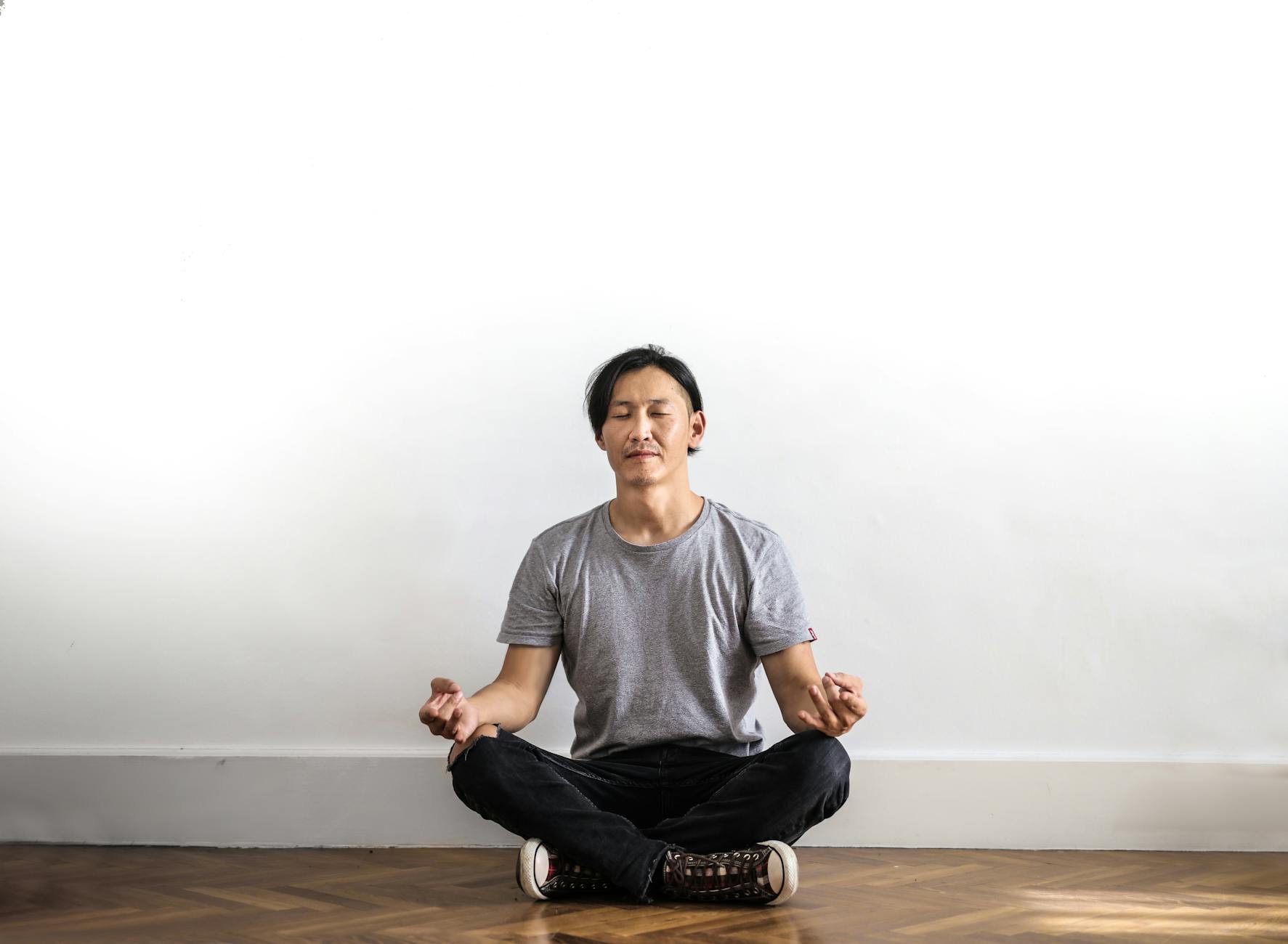
- Basic Breath Awareness: Eyes closed, focus on your natural breath. Deeply inhale through your nose, filling your belly with air. Then, exhale…slowly. Observe the rhythm—let distracting thoughts sail by like drifting clouds.
- Box Breathing Technique: Widely favored—even by Navy SEALs—this method is revered for stress reduction. Breathe in for four counts, pause, exhale for four, and linger for another four before repeating. Miraculous for mental clarity and balance.
Beyond Basics: Deepening the Practice
Feeling more at ease? Time to explore further techniques to enrich your mindful breathing practice.
- 4-7-8 Breathing: This involves inhaling for 4 counts, holding the breath for 7, then exhaling for 8. Effective for soothing the nervous system and, according to a University of Arizona study, promoting restful sleep.
- Breath Counting: Drawing from Zen practices, count each exhale up to a set number, maybe 5 or 10, before starting again. This sharpens focus and, as University of California, Riverside suggests, boosts cognitive performance.
- Alternate Nostril Breathing: A favored yogic practice, this evens out the brain’s hemispheres. The National Institutes of Health found it lessens anxiety and enhances cognitive function.
Navigating Obstacles: What to Do When Your Mind Wanders
Struggling with constant distractions? It’s normal.
“A wandering mind isn’t defeat; it’s a chance for growth. Greet interruptions kindly.”
— Dr. Mike Tran, NYU
When focus slips, gently coax your attention back to your breath.
Sam, a college student juggling classes and work, initially resisted mindful breathing. But by treating moments of disruption with compassion instead of criticism, he gradually discovered renewed focus and emotional resilience.
Integrating Mindful Breathing into Daily Life
Remember—mindful breathing isn’t relegated to long meditation sessions. It’s a versatile tool adaptable to life’s varied moments.
- Start Your Day Calmly: Before leaving bed, spend five mindful minutes breathing. It sets the day’s tone.
- During Stressful Meetings: A quick breathing break can help center you. A few deep breaths before entering a virtual meeting can transform your mindset.
- In Traffic Jams: Caught in gridlock? Breathe rhythmically instead of letting road stress take over.
- Before Sleep: Wind down with a calming 4-7-8 breathing routine for deeper rest.
Why Mindful Breathing Matters: The Emotional Benefits
Beyond just quelling stress, mindful breathing enriches emotional wellbeing and personal growth. As research from the University of Wisconsin reveals, it enhances emotional regulation and minimizes anxiety and depression symptoms.
People often report improved relationships, boosted work performance, and heightened life satisfaction. As Maya discovered, it’s not solely about enduring challenges, but thriving with grace.
Your Path to Inner Calm
Breathing—an intuitive, yet powerful companion on your path to inner peace. It melds body and mind, fostering resilience and grounding. For Gen Z and Millennials, navigating myriad stressors, these tools are invaluable.
Urge yourself to embrace each breath, guiding you to a more centered self. Creating inner peace is continuous; every mindful breath is a stride forward.
The Bottom Line
Mindful breathing is not just a practice; it’s a way to reclaim your inner calm amid life’s chaos. By focusing on your breath, you enhance your emotional wellbeing and navigate stress with ease. Start small, embrace each moment, and watch as your life transforms.
References
- UCLA Health
- Harvard Health
- American Psychological Association
- Cleveland Clinic
- University of Arizona
- University of California, Riverside
- National Institutes of Health
- NYU
- University of Wisconsin
Join 1.5M+ people using Hapday’s AI-powered tools for better mental health, habits, and happiness. 90% of users report positive changes in 2 weeks.