



Inner Calm During Anxiety: Grounding Yourself When Worry Takes Over
Introduction
Anxiety often pulls the mind into future fears and imagined outcomes, creating a constant sense of urgency and unease. When worry dominates thoughts and emotions, the body remains tense and the mind struggles to rest. Inner calm becomes difficult because the nervous system is always preparing for what might go wrong.
At MindHaven, we approach anxiety with compassion rather than control or force. Instead of fighting anxious feelings, we gently work with them. This guide explores practical and supportive ways to reconnect with inner calm, even when anxiety feels overwhelming or persistent.
Understanding How Anxiety Disrupts Calm
Anxiety activates the body’s natural threat response, designed to protect us from danger. This response increases alertness, muscle tension, rapid breathing, and racing thoughts. While helpful in real danger, this reaction becomes exhausting when triggered constantly.
Understanding anxiety as a protective response—not a personal failure—helps reduce fear and self-criticism. When anxiety is viewed with understanding, the body begins to relax and emotional intensity slowly decreases.
Grounding the Mind in the Present Moment
Grounding techniques help bring awareness back to the present moment, where safety often exists. Anxiety thrives on future-focused thinking, but grounding reconnects you with what is happening right now.
Focusing on your breath, physical sensations, or surroundings gently interrupts anxious thought cycles. These practices signal safety to the nervous system and help the mind settle naturally without force.
Releasing the Need for Control
Anxiety often grows when control feels lost or uncertain. The mind tries to predict outcomes and prevent discomfort, which increases tension and worry.
Inner calm begins to emerge when uncertainty is allowed rather than resisted. Acceptance reduces emotional struggle and creates mental space, helping the nervous system soften and return to balance.
Working With Anxious Thoughts
Anxious thoughts can feel convincing and urgent, especially during stress. Mindfulness helps you observe these thoughts without immediately believing or reacting to them.
When thoughts are noticed rather than followed, they lose intensity. This awareness reduces mental spirals, emotional exhaustion, and the feeling of being trapped in worry.
Creating a Calm Inner Dialogue
The way you speak to yourself during anxiety has a powerful impact. Harsh self-criticism often increases fear and emotional distress.
Gentle reassurance and compassionate language support emotional regulation. Replacing judgment with understanding helps calm the nervous system and builds emotional safety within.
Daily Practices to Support Calm During Anxiety
Small, consistent practices support inner calm throughout the day. Short grounding exercises, mindful breathing, and emotional check-ins help prevent anxiety from building unnoticed.
These practices do not need to be long or perfect. Consistency is what helps reduce anxiety’s intensity over time and supports emotional stability.
When Anxiety Needs Extra Support
There are times when anxiety feels too heavy to manage alone. Guided support offers structure, reassurance, and emotional grounding during difficult moments.
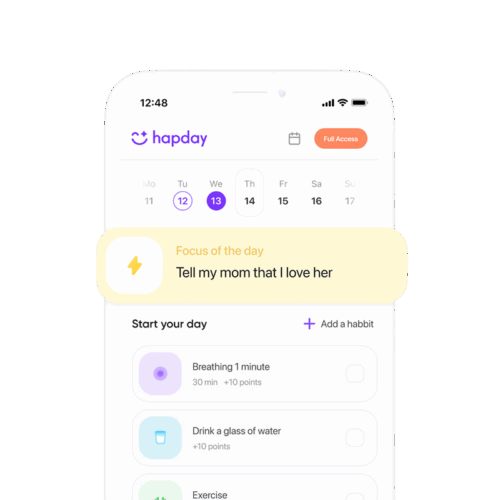
The Hapday AI Coach provides personalized tools and gentle guidance to help calm anxious thoughts, regulate emotions, and restore inner balance safely.
Returning to Inner Calm
Inner calm is not a permanent state—but it is always accessible. Even during anxious moments, calm can be gently reintroduced through awareness and compassion.
With practice, returning to inner calm becomes easier and more familiar. Over time, calm becomes a supportive foundation you can return to whenever anxiety arises.
Join 1.5M+ people using Hapday’s AI-powered tools for better mental health, habits, and happiness. 90% of users report positive changes in 2 weeks.