

Discovering Inner Peace: The Art of Mindful Breathing
Table of Contents
- The Science of Mindful Breathing
- Embracing Mindful Breathing Techniques
- Mindful Breathing: A Balm for Mental Health
- Weaving Mindful Breathing into Everyday Life
- Final Thoughts
The Science of Mindful Breathing
Mindful breathing derives its strength not just from tradition, but solid science too. As we inhale deeply, mindfully, the vagus nerve—the longest cranial nerve, stretching from brainstem to abdomen—is stimulated. This, in turn, fires up the parasympathetic nervous system, the body’s unsung hero for unwinding. According to a Journal of Clinical Psychology study, a mere 10 minutes of mindful breathing daily led to a 30% dip in stress levels over a month. Indeed, a tangible route to emotional balance.
Embracing Mindful Breathing Techniques
1. 4-7-8 Breathing Technique
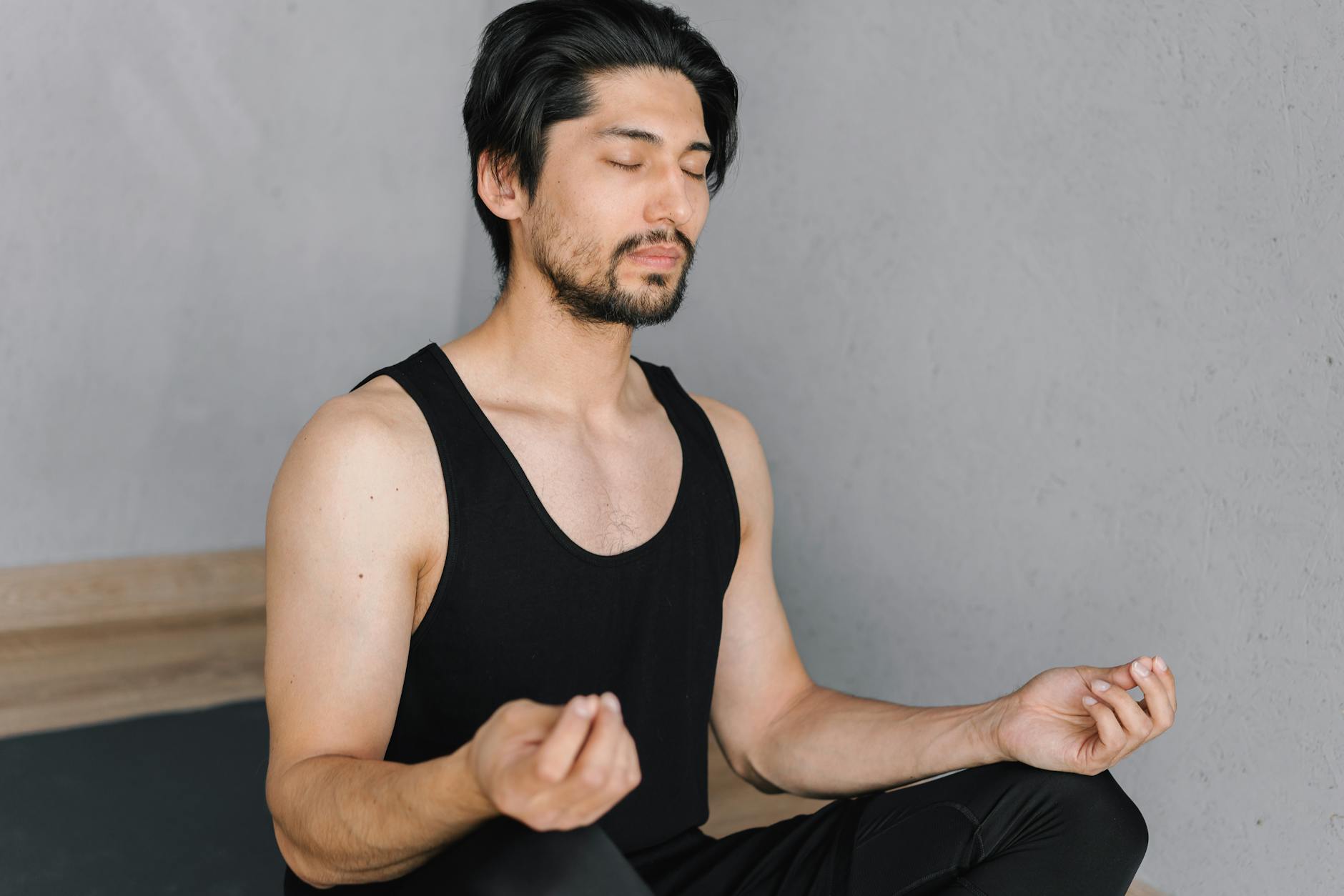
Dr. Andrew Weil brought this technique to the fore, thanks to its simplicity and profound impact. Start by sitting at ease, eyes closed. Inhale smoothly through your nose, counting to four. Hold for seven, then exhale fully through your mouth for eight counts. Repeat. Simple? Yes. But, especially at night, it acts as a gentle lullaby for the mind and body.
2. Box Breathing
Think U.S. Navy SEALs—under pressure, calm as a still pond. They often use box breathing, or square breathing, visualizing the inhale, hold, exhale, and hold as a square. Each for four counts. This structured breathwork grounds the mind and hones concentration.
3. Alternate Nostril Breathing
This cherished yogic method involves closing one nostril, breathing through the other, and alternating in rhythm. A study found in the International Journal of Yoga highlighted this technique’s ability to bolster attention spans and cut down stress indicators. Balancing the brain’s hemispheres, it nurtures harmony and focus.
Mindful Breathing: A Balm for Mental Health
Practiced regularly, mindful breathing offers profound mental health benefits. As noted in the Frontiers in Human Neuroscience, it can heighten mindfulness, bolster emotional regulation, and markedly ease depression and anxiety symptoms.
- Lowered Stress and Anxiety: By kicking the parasympathetic response into gear, stress hormone production is curbed. Fast relief.
- Sharper Focus and Clarity: Like meditation, regular breathing sharpens focus. As we anchor to the present, distractions diminish, fostering sharp thinking.
- Boosted Mood and Emotional Balance: Mindful breathing stirs up endorphins, our body’s natural cheerleaders, easing insecurity and frustration.
Weaving Mindful Breathing into Everyday Life
Incorporating mindful breathing need not be time-consuming or life-altering. Here’s how to make it routine:
- Morning Ritual: Spend the first five minutes embracing a breathing technique. It sets a focused, calm tone for the day.
- Mindful Pauses: At moments of stress or when attention wavers, take a deep breath—literally. A few conscious breaths can reset mood and productivity.
- Breath with Activities: Whether walking, exercising, or doing chores—integrate breathing mindfulness. Joy seeps into the mundane.
Final Thoughts
Embarking on a journey to find inner peace through mindful breathing is not fleeting; it’s a lifelong journey towards emotional resilience. By simply tuning into our breath, we equip ourselves to handle stress with a bit more ease and grace.
Mindful breathing—it’s akin to a bridge amidst life’s chaos, leading to tranquility. Why not start today? One conscious breath can set in motion a ripple of peace.
References
- Harvard Health Publishing. “Mindfulness meditation may ease anxiety, mental stress.” Harvard Medical School.
- Journal of Clinical Psychology. “Mindful Breathing: A simple way to reduce stress and anxiety.” Wiley Online Library.
- Frontiers in Human Neuroscience. “Stress Reduction through Mindful Breathing.” Frontiers Media SA.
- International Journal of Yoga. “The effects of alternate nostril breathing on cognitive tasks.”
Embrace the quiet revolution of mindful breathing—a gentle nudge towards inner serenity.
Join 1.5M+ people using Hapday’s AI-powered tools for better mental health, habits, and happiness. 90% of users report positive changes in 2 weeks.