


Pursuing Inner Calm: Techniques for Emotional Wellbeing
Table of Contents
- Grasping Emotional Wellbeing
- Harnessing the Power of Mindfulness
- Meditation’s Role in Wellbeing
- Exercise and Its Impact on Emotional Health
- Cultivating Gratitude
- Fortifying Emotional Resilience
- A Continuing Journey
Grasping Emotional Wellbeing
What does emotional wellbeing truly mean? Essentially, it’s being in tune with our emotions—recognizing, understanding, and managing them with grace. It plays a vital role in our overall health, it’s intertwined with mental wellness. A glance back at 2021 reveals a study from The Lancet Psychiatry noting that high emotional wellbeing folks not only enjoy better physical health but tend to live longer. Strange, isn’t it, how something so intangible might influence longevity? With suitable approaches, your emotional wellbeing can blossom, bringing that serene inner calm within reach.
Harnessing the Power of Mindfulness
Unpacking Mindfulness
Picture this: focusing solely on the present, letting judgments float away. That’s mindfulness—a practice encouraging awareness of our thoughts, feelings, and the world around us. Evidence suggests mindfulness significantly diminishes anxiety and depression symptoms, fostering emotional wellbeing. Wouldn’t we all benefit from being a little more present?
Practical Mindfulness Techniques
- Mindful Breathing: Step back and concentrate on your breath. Feel your chest rise… and fall. Whenever your mind drifts—and it will—gently guide it back to the present. According to findings published in ScienceDirect, mindful breathing can slash stress and boost emotional regulation. It’s that simple; it’s profound.
- Body Scan: Slowly focus on each body part, beginning with your toes and proceeding upwards. A study featured in the Journal of Behavioral Medicine highlighted significant stress reductions and mindfulness enhancements through regular body scans. Doesn’t sound too bad, does it?
Meditation’s Role in Wellbeing
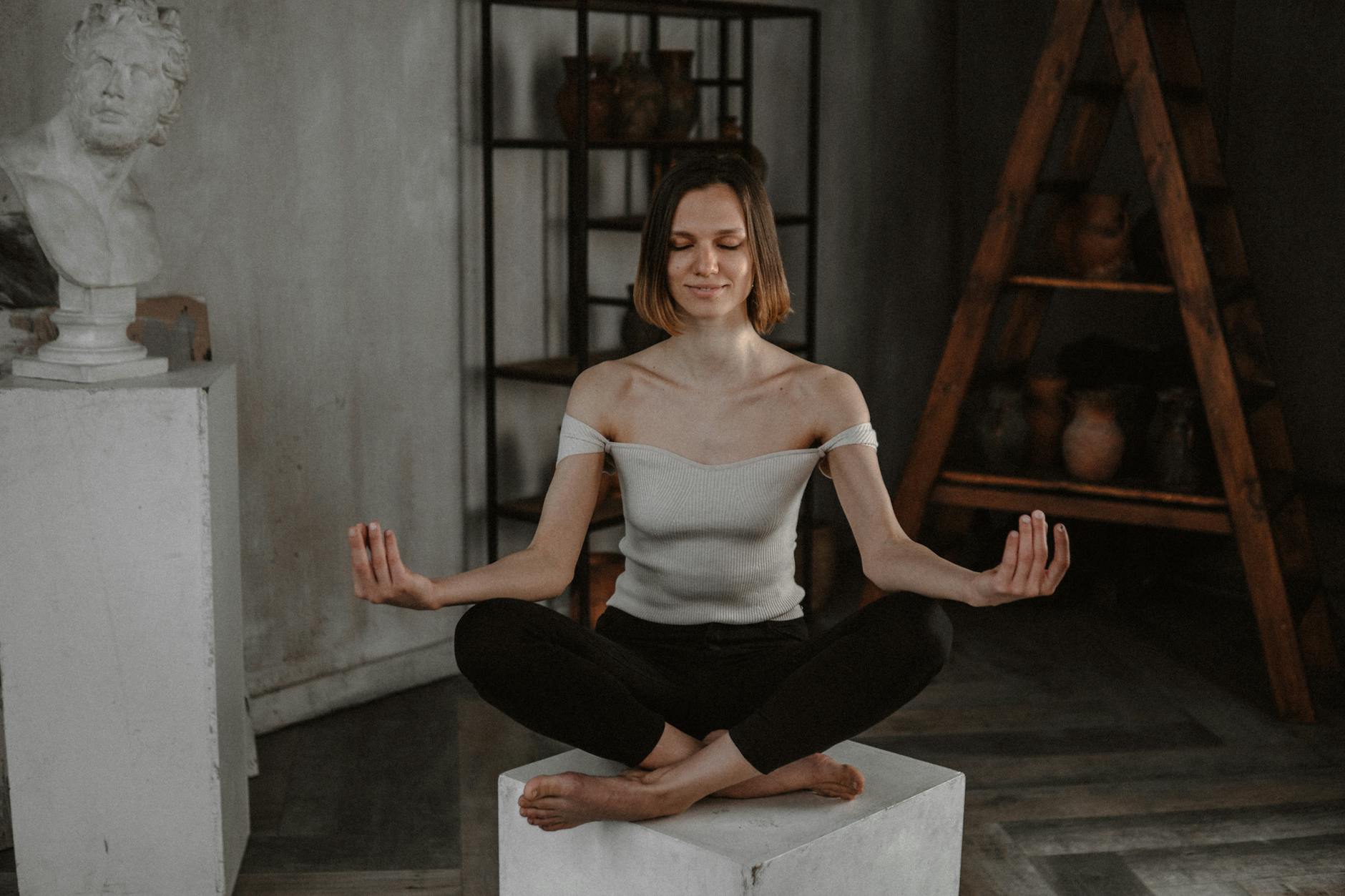
Meditation offers a potent avenue towards enhanced emotional wellbeing. Regular practice ushers in tranquility and balance, enriching both our emotional and physical health.
- Guided Meditation: Beginners might start with apps or online guides. A review in JAMA Internal Medicine asserted that meditation programs can alleviate anxiety, depression, and pain, facilitating emotional wellness. Could it be your cup of tea?
- Loving-Kindness Meditation: Centering on feelings of love for oneself and others, this meditation can be life-changing. Research from the Journal of Happiness Studies discovered that this approach elevates positive emotions, bolstering emotional resilience. It’s a gentle reminder to nurture both self and those around us.
Exercise and Its Impact on Emotional Health
Exercising for Wellbeing
While exercise fortifies our bodies, its role in emotional wellbeing shouldn’t be underestimated. Physical activity floods the brain with endorphins—our natural mood enhancers. Remember what The Guardian reported? Exercise is a powerful tool against stress, anxiety, and depression, increasing self-esteem. It’s hard to maintain grumpiness after a good jog.
Choosing the Right Activities
- Yoga: A harmonious blend of movement, meditation, and breath. Research printed in Frontiers in Psychiatry confirms yoga’s efficacy in mitigating stress and anxiety. It’s both age-old and ever-relevant.
- Tai Chi: Known for its gentle, fluid movements, Tai Chi connects mind and body. Harvard Health Publishing suggests it can uplift mood and enhance life quality, enriching emotional wellbeing. Eastern wisdom never looked so appealing.
Cultivating Gratitude
Simple yet transformative, gratitude shifts our gaze from dwelling on negatives to cherishing positives.
Gratitude Practices
- Journaling: A gratitude journal might ease stress and boost happiness. In fact, a piece from the Journal of Positive Psychology found that journal keepers reported increased optimism and emotional resilience. Not a bad habit to adopt, right?
- Gratitude Meditation: Envision your gratitude while meditating. Research in the Journal of Happiness Studies emphasizes how infusing gratitude into meditation can elevate emotional wellbeing remarkably.
Fortifying Emotional Resilience
Resilience—our capacity to rebound when life throws punches—is vital for sustained emotional wellbeing.
Building Resilience
- Fostering Connections: Nurturing a supportive circle underpins resilience. Harvard Health discovered that strong social ties bolster mental health and emotional solidity. Isolation isn’t very trendy, anyway.
- Nurturing Self-Compassion: Grant yourself kindness in difficult times; it aids emotional recuperation. Insights from Clinical Psychology Review show that self-compassion correlates with reduced anxiety and depression. Give yourself a break, won’t you?
A Continuing Journey
Engaging with these inner calm strategies can profoundly uplift your emotional wellbeing. Through mindfulness, physical endeavors like yoga, gratitude cultivation, and resilience building, you can gracefully navigate life’s challenges.
Remember, achieving emotional wellbeing isn’t a sprint—it’s a marathon. The journey, filled with practice and patience, enhances both our present and our future selves. A bit of daily effort can reshuffle your emotional landscape.
Begin this journey to inner peace today. Explore mindfulness, embrace gratitude, and nourish resilience. Emotional wellbeing isn’t just for some—it’s for you.
Join 1.5M+ people using Hapday’s AI-powered tools for better mental health, habits, and happiness. 90% of users report positive changes in 2 weeks.