

How to Stay Present: Inner Calm Exercises
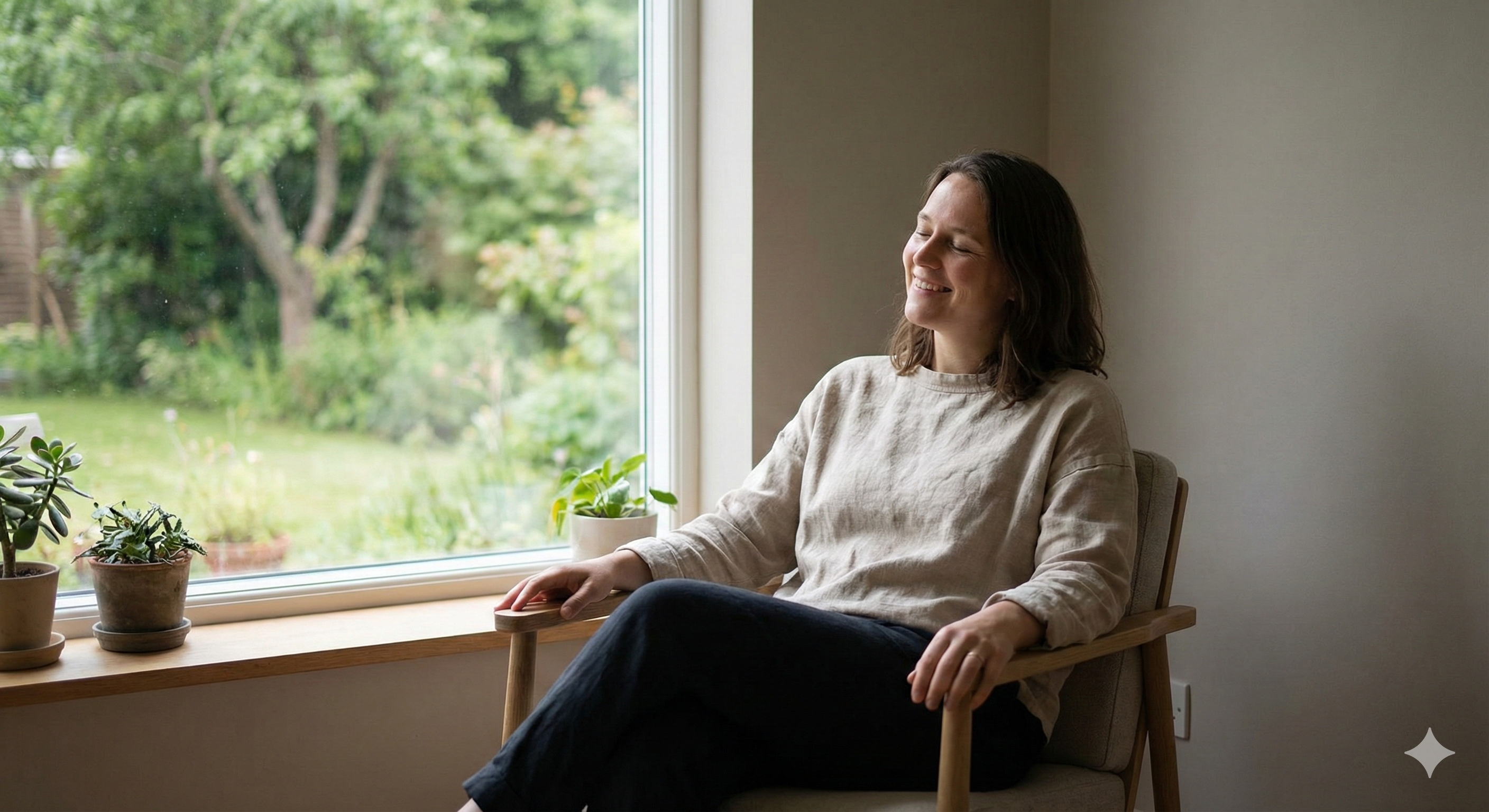
You know how life never seems to slow down? Messages pop up nonstop, and it’s like we’re on a never-ending treadmill. Finding a quiet moment—feels nearly impossible, doesn’t it? Yet, learning to be present can—surprisingly—turn this chaos into a serene experience. Let’s dive into the art of staying present with inner calm exercises, drawn from time-tested mindfulness practices known to help reduce stress and improve well-being.
Table of Contents
- Understanding Presence and Its Importance
- Simple Breathing Techniques
- Mindful Listening
- Grounding Practices
- Movement Meditation
- Journaling for Presence
- Digital Detox
- Conclusion
- References
Understanding Presence and Its Importance
But what does being “present” really mean? It’s all about totally immersing yourself in the current moment, without getting bogged down with yesterday’s mistakes or tomorrow’s worries. Back in 2013, research showed that mindfulness, a powerful technique for staying present, can effectively cut down stress, anxiety, and even some depressive symptoms. For Gen Z and millennials juggling studies, work, and personal lives in this fast-paced world, grasping presence isn’t just helpful—it might just be vital for emotional balance and personal growth.
Simple Breathing Techniques
The breath, quite frankly, is the simplest gateway to achieving presence. Taking deep, mindful breaths can ground you in the moment, quelling anxiety and encouraging relaxation.
Box Breathing
Ever heard of Box Breathing? Navy SEALs swear by it. Inhale deeply through your nose for four counts, hold for four, exhale for four, and pause again. Only four! Doing this for a few minutes each day aids in staying present, as you’re compelled to focus on the breath, shutting out everything else.
4-7-8 Breathing
Dr. Andrew Weil has an alternative approach with the 4-7-8 technique: inhale for four counts, hold the breath for seven, then exhale slowly for eight. Think of it as your natural tranquilizer, soothing your nervous system swiftly.
Mindful Listening
Presence isn’t just breathing; it’s about listening—really listening—to others and the world. Mindful listening asks for full attention to sounds around, without judging or labeling them.
Sound Meditation
Find a silent corner, let your eyes close, and tune into ambient noises. A passing car, the birds’ morning chorus, or even the soft tick of a clock… Research in 2018 suggested sound meditation can lessen tension and lift moods. Surprising what a few minutes with nature can do, isn’t it?
Grounding Practices
Grounding techniques—whether physical or mental—draw your focus to the here and now. They’re immensely helpful for those plagued by anxiety or wandering thoughts.
Five Senses Exercise
Try this anytime for a quick refocus:
- Spot 5 things you can see.
- Identify 4 things you can touch.
- Hear 3 sounds nearby.
- Sense 2 smells in the air.
- Taste 1 lingering flavor.
Engaging all your senses virtually drags you from the mental storm into the present.
Movement Meditation
Movement, too, acts as a powerful tool for presence. Yoga or Tai Chi meld movement with mindfulness, nurturing deep bonds between body and soul.
Walking Meditation
Consider a walk—yes, a simple walk—as a meditative act by focusing on your steps. Experience the heel meeting the earth, the shift of weight. Believe it or not, slow, peaceful walking can erase around 12% more stress compared to sitting quietly, a study found back in 2014. Seemingly trivial yet incredibly potent.
Journaling for Presence
Writing helps slow down, offering space to process thoughts and reconnect with now.
Stream of Consciousness
Set a timer, write for five minutes—anything that comes to mind. Don’t bother with grammar or spelling. This exercise declutters your brain, plugging you back into yourself.
Digital Detox
Lastly, temper your screen time—yes, put down the device once in a while. Twenge, in 2019, highlighted how nonstop digital engagement boosts stress and shrinks focus spans.
Designated Tech-Free Times
Pick moments where all devices go off—dinner or pre-sleep hours, perhaps. Doing so encourages more meaningful engagement with surroundings and companions. We could all use a little tech reprieve, couldn’t we?
Conclusion
Carving out inner calm is deeply personal, a journey unique to everyone. Embrace these exercises to weave peace from chaos, anchoring yourself in vibrant, present moments. Start today—why wait? The allure of a calmer life is certainly within reach.
References
- Querstret, D., & Cropley, M. (2013). Exploring the relationship between work-related rumination, sleep quality, and work-related fatigue. Journal of Occupational Health Psychology, 18(2), 231–243.
- Goldberg, S. B., et al. (2018). The intervention effects of meditation training, micro-interventions, small bits of mindfulness meditation practice incorporated into daily life. Journal of Positive Psychology, 13(3), 300-313.
- Oppezzo, M., & Schwartz, D. L. (2014). Give your ideas some legs: The positive effect of walking on creative thinking. Journal of Experimental Psychology: Learning, Memory, and Cognition, 40(4), 1142–1152.
- Twenge, J. M. (2019). iGen: Why Today’s Super-Connected Kids Are Growing Up Less Rebellious, More Tolerant, Less Happy – and Completely Unprepared for Adulthood. Simon & Schuster.
Join 1.5M+ people using Hapday’s AI-powered tools for better mental health, habits, and happiness. 90% of users report positive changes in 2 weeks.