



10 Ways to Boost Your Daily Self-Care Routine
In our rapidly evolving world, carving out space for self-care is not merely beneficial—it’s quite indispensable. When you establish a firm self-care regimen, you’re not only nurturing emotional well-being but also bolstering overall health—regaining balance, peace, and vitality.
Table of Contents
- 1. Prioritize Sleep
- 2. Nourish Your Body
- 3. Mindful Meditation
- 4. Physical Activity
- 5. Establish Digital Boundaries
- 6. Cultivate Gratitude
- 7. Foster Connections
- 8. Pursue Creative Outlets
- 9. Practice Self-Compassion
- 10. Set Intentions for the Day
1. Prioritize Sleep
Ah, sleep. It’s the foundation of self-care, isn’t it? The National Sleep Foundation suggests adults need about 7–9 hours per night for optimal functioning. Quality sleep is like a recharge for the mind and immune system. So, why not set a consistent sleep schedule? Wind down with a calming book or meditate. You’ll thank yourself later.
2. Nourish Your Body
Fueling your body? Absolutely fundamental. A report from The Lancet tells us, a balanced diet hugely impacts mental health. Who wouldn’t want less stress?! So, try incorporating a variety of veggies, grains, proteins, and healthy fats. Cook with intention—savor each bite. It’s like saying a quiet “thank you” to the Earth.
3. Mindful Meditation
In chaos, mindfulness serves as an anchor. Ever tried it? Harvard researchers found it cuts stress and boosts focus, promoting psychological well-being overall. Start small—just five minutes daily, then move up. Focus on breathing, letting thoughts drift by like clouds.
4. Physical Activity
Exercise is more than just moving your body; it’s a natural high! Endorphins are the MVPs. The Anxiety and Depression Association of America notes even a quick 10-minute walk can lower anxiety and depression. How about trying yoga, dancing, or maybe hiking? It doesn’t feel like self-care if you don’t enjoy it, right?
5. Establish Digital Boundaries
Technology: a connector and an overload. The American Psychological Association’s study says digital overuse amplifies stress. How about setting tech limits? Maybe an hour of tech-free time each evening or even a whole day on weekends. Spend that time reading, journaling, or basking in nature.
6. Cultivate Gratitude
Gratitude packs a punch! The folks at UC Berkeley’s Greater Good Science Center found it boosts happiness. Easy-peasy—every day, jot down three things you’re grateful for. This tiny practice can transform your outlook. Positivity breeds more positivity. Isn’t that a beautiful thing?
7. Foster Connections
We are social beings. Relationships greatly influence our mental states. The Harvard Study of Adult Development shows strong ties predict happiness. Invest time in friends and family. These bonds are life’s gold—enriching your self-care journey more than any solitary effort.
8. Pursue Creative Outlets
Got a creative itch? Scratching that can be healing. The American Journal of Public Health points out that creating art soothes stress and breeds a good vibe—a mental escape. What draws you in? Painting, writing, playing music? Dive in and see where it takes you.
9. Practice Self-Compassion
Treat yourself kindly, as you would a dear friend. Kristin Neff’s research on self-compassion encourages gentleness with oneself. Recognize your struggles as human, without harsh judgment. Offering yourself kindness in tough times builds resilience. Isn’t that what self-care’s partly about?
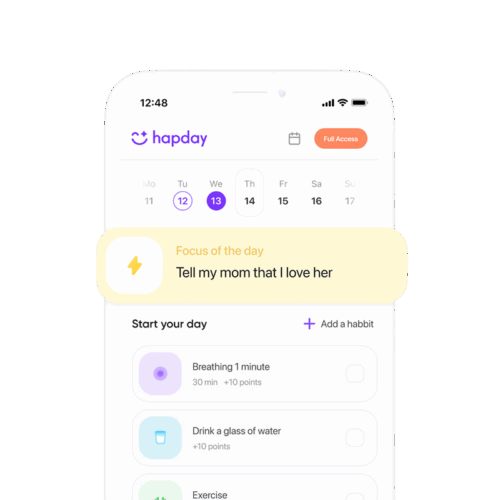
10. Set Intentions for the Day
Kick off each day with intention-setting—align your actions with your values and goals. It gives your self-care routine a purposeful twist. Need patience today? Or maybe some courage? Carry these intentions with you, pushing each action to be meaningful.
Now, about conclusions… they’re just an ending, right? Let’s talk straight—these strategies can usher in a more harmonized, balanced life. Pace yourself, integrate these practices slowly, and find what vibes with your personal rhythm. Remember, self-care’s a journey—it’s not a destination.
What’s your next self-care step? Got a moment to jot it down and share? We’d love to hear!
References
- National Sleep Foundation: Sleep Guidelines
- The Lancet: Health Effects of Dietary Risks
- Harvard University Study: Mindfulness Effects
- Anxiety and Depression Association of America: Exercise’s Role
- American Psychological Association: Tech and Stress
- UC Berkeley: Gratitude Research
- Harvard Study of Adult Development: Relationships
- American Journal of Public Health: Art Therapy
- Kristin Neff: Self-Compassion Research
By embracing these tips, you’ll nurture your soul, enhancing well-being, one small step at a time.
Join 1.5M+ people using Hapday’s AI-powered tools for better mental health, habits, and happiness. 90% of users report positive changes in 2 weeks.