


7 Ways to Build Emotional Resilience
Table of Contents
- Embrace Mindful Awareness
- Foster a Supportive Network
- Boost Emotional Intelligence
- Adapt to Change with Ease
- Place Self-Care First
- Establish Clear Boundaries
- Nurture a Growth Mindset
1. Embrace Mindful Awareness
Emotional resilience finds its home in mindful awareness. When you hone mindfulness, your mind tunes into the present, steering clear of past guilt or future dread. Back in 2019, the journal Mindfulness shared findings that consistent mindfulness can lower anxiety and boost emotional regulation. Interesting, right?
Getting Started:
Spend just a few minutes daily in mindfulness meditation. Find a quiet spot, close those eyes, and zero in on your breath. If your mind wanders—because it will—just guide it back. This simple act can, gradually, bolster your resilience to emotional upheavals.
2. Foster a Supportive Network
Having a circle of supportive people around you is vital for emotional sturdiness. Those meaningful relationships? They feed us emotionally when storms come. Harvard’s study on adult development paints strong relationships as cornerstones of happiness and emotional health.
How to Activate:
Devote time to cultivating these bonds. Regular coffees with friends, joining clubs, or even a simple check-in can strengthen your emotional defenses in ways you might not expect.
3. Boost Emotional Intelligence
Grasping and navigating your own emotions is crucial for resilience. Emotional intelligence, or EI, involves identifying emotional reactions and managing them judiciously. A study in the Journal of Personality and Social Psychology reveals that higher EI is often linked with lower stress levels.
Enhancing EI:
Keep a journal where you regularly jot down emotions. Reflect on triggers, and work on responding thoughtfully instead of reacting impulsively—an endeavor worth your while.
4. Adapt to Change with Ease
Flexibility, a core trait for resilience. Change—our constant companion—demands it. Research demonstrates that adaptable folks frequently face less stress and navigate life’s trials more adeptly.
Practical Approach:
Try to see change as a door opening rather than closing. New experiences should be embraced as opportunities—even if that’s easier said than done.
5. Place Self-Care First
Resilience and self-care are intertwined. Investing time in your physical, mental, and emotional self-care can uplift your ability to confront stress. The American Psychological Association echoes the importance of self-care in nurturing resilience.
Self-Care Suggestions:
Pursue activities that recharge your mind and body—be it exercise, ample rest, or hobbies that bring joy. Why? Because self-care is essential, not indulgent.
6. Establish Clear Boundaries
Boundaries act as the guardians of your emotional health. They preserve your mental space and shield you from burnout. A study in the International Journal of Stress Management underlines the crucial role boundaries play in reducing stress.
Practicing Boundaries:
Articulate your limits to yourself and others. Assertively communicate and practice saying “no” when you need to. It’s all about protecting your emotional turf.
7. Nurture a Growth Mindset
A growth mindset can be transformative for your resilience. Viewing challenges as growth opportunities—versus threats—encourages resilience. Carol Dweck’s book “Mindset” highlights this perspective.
Cultivating Growth:
When challenges arise, ask, “What’s the lesson here?” Celebrate gains, big or small, and recognize effort over end results. Using failures as stepping stones strengthens your resilience.
Cultivating emotional resilience isn’t a dash; it’s a marathon. It’s an ongoing commitment to practice and effort. Through these approaches, you’ll fortify your emotional shield, finding peace amid adversity.
Summary and Call to Action
Emotional resilience isn’t built overnight. Yet by weaving these strategies into daily life, you can nurture a sound mental and emotional state. Start small. Be kind to yourself. Resilience? It’s all about growth and can indeed be cultivated. Share these insights—a stronger community thrives with collective resilience.
References:
- Mindfulness and Emotional Resilience, Mindfulness Journal
- Harvard Study of Adult Development
- Emotional Intelligence and Resilience, Journal of Personality and Social Psychology
- Adaptability and Resilience, Psychological Bulletin
- The Role of Self-Care in Resilience, APA
- Setting Boundaries for Emotional Well-being, International Journal of Stress Management
- Mindset: The New Psychology of Success, Carol Dweck
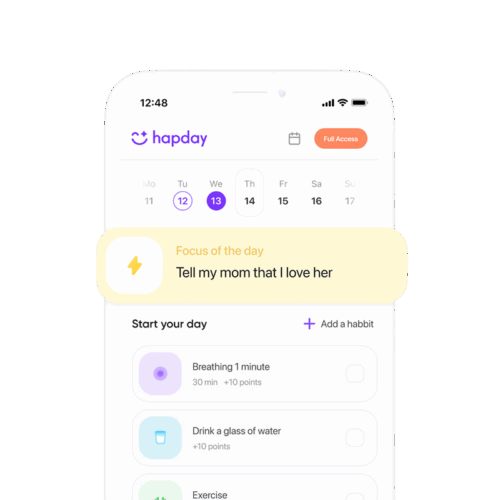
Join 1.5M+ people using Hapday’s AI-powered tools for better mental health, habits, and happiness. 90% of users report positive changes in 2 weeks.