

How to Practice Mindfulness Meditation Daily
Table of Contents
- Understanding Mindfulness Meditation
- The Science of Mindfulness: Why It Works
- Creating Your Mindfulness Sanctuary
- Cultivating a Daily Practice: The Steps
- Real Life: Transformation Through Mindful Consistency
- Overcoming Common Barriers
- Embracing Progress Over Perfection
- Wrap-Up: The Path Forward
Key Takeaways
- Mindfulness meditation can provide significant stress relief and emotional resilience.
- Short, consistent practices can be more effective than sporadic lengthy sessions.
- Awareness of thoughts, rather than controlling them, is central to mindfulness.
- Creating a dedicated routine and comfortable space enhances the meditation experience.
- Mindfulness fosters self-discovery and emotional management.
Understanding Mindfulness Meditation
Before embarking on a daily mindfulness practice, understanding it is fundamental. The practice revolves around intentional attention—being present, aware, and non-judgmental. Jon Kabat-Zinn, often hailed as a pioneer of the mindfulness movement in the West, put it simply: focus on your breath, your body’s sensations, or whatever captures your momentary awareness.
Mindfulness isn’t about halting your thoughts but rather observing them without getting swept away, as Dr. Sarah Chen from NYU illustrates.
“When you understand your thoughts, you don’t chase them. This understanding reduces stress, heightens focus, and builds emotional resilience.”
— Dr. Sarah Chen, NYU
Carnegie Mellon University found that even short stretches of mindfulness can significantly lower stress markers and improve emotional equilibrium. A lifeline indeed.
The Science of Mindfulness: Why It Works
So, why does paying attention to your breath have such a profound effect? The secret lies in your brain’s remarkable adaptability. Harvard research found that mindfulness can physically change brain structures—increasing gray matter in regions linked to learning, memory, and emotional management.
Think of mindfulness practice as exercise for the brain. Over time, it sharpens your ability to stay present, which often translates to lower anxiety and stress levels. Who knew a simple practice could be so potent?
Creating Your Mindfulness Sanctuary
Now that you recognize mindfulness’s transformative power, how do you weave it into your daily tapestry? Think of your meditation practice as creating not a physical space, but a sanctuary within—a peaceful pause amidst chaos.
Begin small. Dan Harris, author of “10% Happier,” suggests starting with just five minutes. Short, daily meditations are more effective than infrequent, lengthy sessions. Over time, it’s this consistency that facilitates change.
Cultivating a Daily Practice: The Steps
- Schedule It In: Like physical workouts, consistency is crucial. Slot it into your day—be it morning breathwork, midday pauses, or evening reflections. Habit grows from routine.
- Choose a Comfortable Spot: Find a peaceful nook, whether at home, on an office break, or nestled in nature, where you can find comfort.
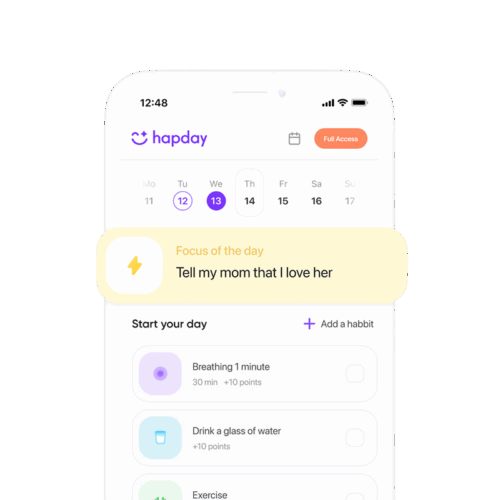
- Use Guided Resources: For beginners, guided meditations offer structure. Apps like Headspace or resources like the Hapday AI Life Coach can guide and ease you into practice.
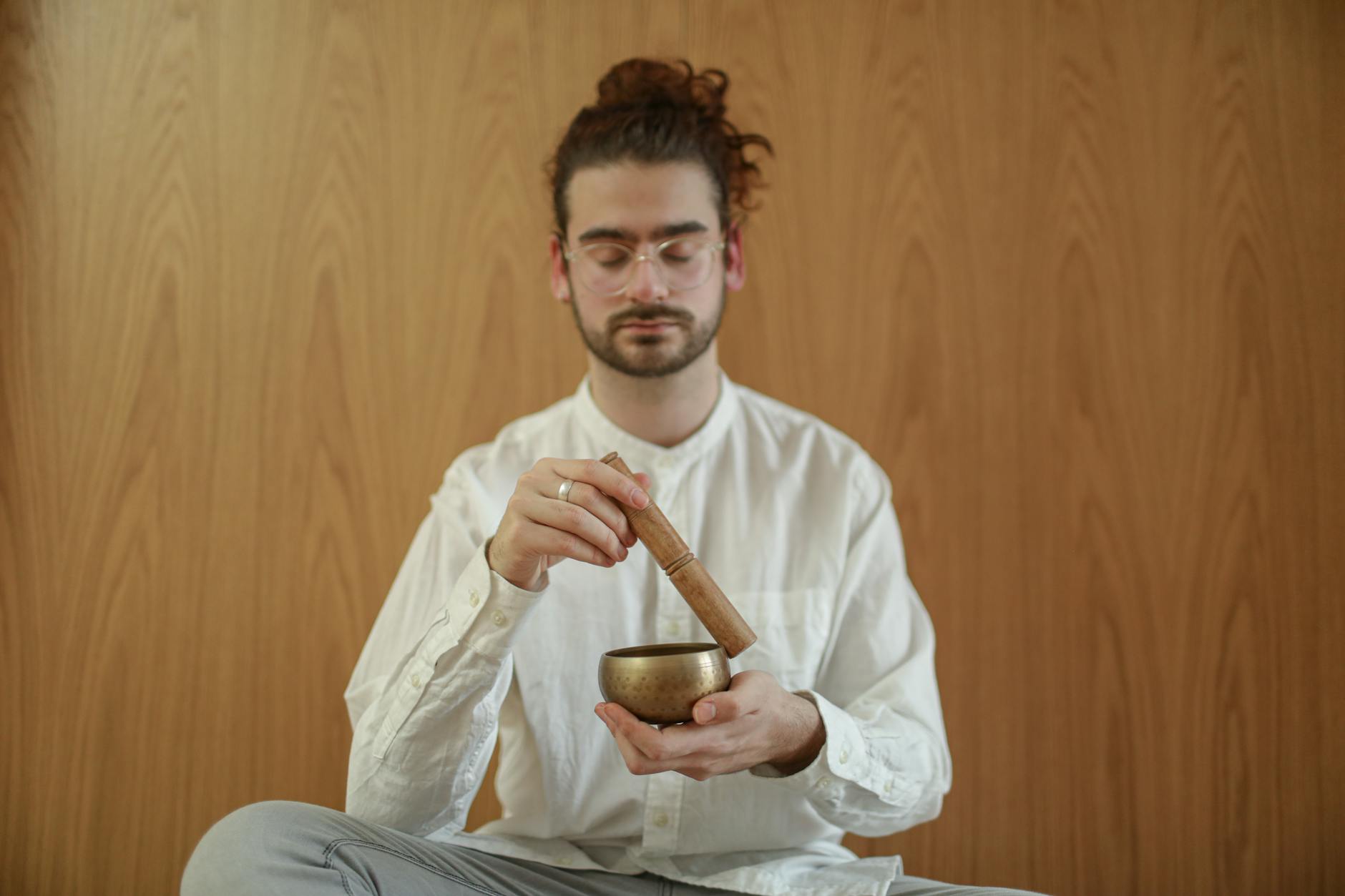
- Focus on Your Breath: Gently close your eyes, take a deep breath through your nose, and exhale slowly through your mouth. Let go with each breath.
- Notice Thoughts and Emotions: Minds wander—it’s natural. Simply acknowledge and refocus on your breath. Over time, awareness of your thought patterns grows.
Real Life: Transformation Through Mindful Consistency
Consider Maya, 28, who turned to mindfulness meditation amid a tough divorce. Initially skeptical, she committed to ten minutes daily and soon noticed shifts in her stress levels.
“It felt like a mental detox,” Maya admits. “I learned to respond calmly rather than react impulsively—it was freeing!”
— Maya, Mindfulness Practitioner
Stories like Maya’s aren’t isolated. Research by the American Psychological Association shows that mindfulness reduces emotional reactivity and bolsters cognitive flexibility—key skills for facing life’s hurdles.
Overcoming Common Barriers
Rest assured, initial restlessness or lack of time are hurdles many face.
- Restlessness: It’s okay to fidget or feel restless. Even seasoned practitioners do at times. Your mission isn’t to bury restlessness but observe it calmly.
- Time Constraints: Short on time? Slip in micro-moments of mindfulness—a mindful breath during your commute or while waiting in line can offer serenity.
Dr. Laura Markham, a psychologist specializing in mindfulness, advises,
“Mindfulness is about presence. A single mindful breath can change the moment.”
— Dr. Laura Markham, Mindfulness Psychologist
Embracing Progress Over Perfection
With mindfulness, perfection isn’t the goal—it’s the journey that matters. Meditation may feel effortless some days, chaotic on others. Embrace both. Each moment of presence shines a light on the process of self-discovery.
Beginning may seem daunting, but remember Lydia’s journey. Through mindfulness, she not only eased her anxiety but found joy and presence. Her emotional responses transformed, allowing her to navigate life with grace.
Wrap-Up: The Path Forward
A daily mindfulness routine can open doors to a wealth of benefits—less stress, better emotional health, and a profound sense of presence. It doesn’t demand Herculean effort, just a tender curiosity towards your experiences.
As you step into your mindful journey, remember: the objective isn’t to empty your mind but to acknowledge its content, bringing your attention back to the breath whenever it strays. This practice nurtures a more robust presence and kindly self-awareness.
The Bottom Line
Mindfulness meditation can transform your approach to stress and emotional health. Embrace the journey without focusing on perfection, and integrate small moments of mindfulness into each day for a more peaceful life.
To seamlessly integrate mindfulness meditation, explore tools like the Hapday AI Life Coach. It offers guided sessions, habit tracking, and tailored wellness programs. Download it today.
Whether you’re in Lydia’s small-as-can-be apartment or taking a mindful breath during your commute, know that this moment of peace is yours to cherish and carry forward—just one mindful breath at a time.
Join 1.5M+ people using Hapday’s AI-powered tools for better mental health, habits, and happiness. 90% of users report positive changes in 2 weeks.