



How to Embrace a Mindful Daily Self-Care Routine
Table of Contents
- Understanding Mindful Self-Care
- The Science Behind Mindful Self-Care
- Start with Intention
- Building Your Mindful Morning Ritual
- Integrating Daily Self-Care Practices
- Evening Rituals for Restful Sleep
- Commitment Through Community
- Personal Growth Through Self-Care
Key Takeaways
- Mindful self-care is an essential practice, helping to reduce stress and improve mental health.
- Creating a mindful morning ritual sets a positive tone for your day.
- Incorporating brief mindful pauses throughout the day enhances focus and productivity.
- Evening routines that promote sleep hygiene are crucial for overall well-being.
- Community support can significantly enhance your self-care journey and emotional resilience.
Understanding Mindful Self-Care
Mindful self-care isn’t a luxurious option; it’s essential—think about it. Consider Lila, a 25-year-old marketing pro, constantly attached to her smartphone, bombarded by incessant notifications and deadlines. Realizing her anxiety was spiraling, she embraced mindful self-care—an intentional habit of remaining present and taking gentle care of oneself. This subtle yet substantial change provided her a much-desired sense of calm.
“Mindful self-care helps disentangle us from stress by grounding us in the present.”
— Dr. Sarah Chen, Clinical Psychologist, NYU
It’s not about indulgence. It’s nurturing a kind awareness towards ourselves, a practice many of us simply overlook.
The Science Behind Mindful Self-Care
This approach resonates because it activates the parasympathetic nervous system—the body’s very own mechanism for healing. A report from Harvard Health underscores how mindfulness practices reduce stress and anxiety over time, even altering our brain’s structure. Isn’t that fascinating?
Start with Intention
To develop a mindful self-care routine, begin with intention—why is this important to you? Think of Maya’s path. Post-divorce, she noticed a dip in her self-worth. Her journey toward self-care became a deliberate process of healing and rediscovery, helping her rebuild her self-esteem.
Does this speak to you? Begin by journaling. Note down your motivations, your aspirations. This intentionality gives your routine a purpose, fueling its likelihood of becoming a lasting habit.
Building Your Mindful Morning Ritual
Picture Ethan, who until recently was waking to a blaring alarm, rushing into chaos. He shifted to a mindful morning ritual that, even at daybreak, instilled calm and clarity, reshaping his entire day.
Why Mornings Matter
According to research by the American Psychological Association, starting your day with a routine can significantly enhance mental outlook and productivity. Setting a mindful tone early can guide you through the day’s labyrinth of tasks.
Crafting Your Morning Practices
Start small:
- Mindful Breathing: Spend five minutes focusing on your breath. It calms your mind and prepares you for the day ahead.
- Gratitude Journaling: Write about three things you’re thankful for, shifting focus from stress to abundance.
- Mindful Movement: Whether it’s stretching or yoga, moving your body revives it, gearing you up for the day.
“Mindful movement rejuvenates body and mind, creating a balanced start.”
— Dr. Caroline Burke, Wellness Expert
Integrating Daily Self-Care Practices
Amidst a packed schedule, making mindfulness a day-long practice might seem daunting; however, incorporating brief mindful pauses can deeply rejuvenate.
Why Take Breaks?
Frequent, mindful pauses during work help enhance focus. The National Institute of Occupational Safety and Health finds these breaks combat fatigue, improve concentration, and elevate productivity.
How to Mindfully Pause
- Schedule Regular Breaks: Break tasks into manageable chunks and take regular pauses. Use this time to stretch, breathe, or meditate briefly.
- Mindful Eating: Transform meals into moments of mindfulness. Savor each bite, its texture and flavor. This boosts digestion and centers you in the moment.
- Digital Detox: Step away from the screen to restore mental clarity. Designate screen-free zones—or times each day to unplug.
Evening Rituals for Restful Sleep
As evening descends, winding down becomes crucial. Sleep isn’t merely rest; it’s vital for thorough self-care, rejuvenating the system each night.
The Importance of Sleep Hygiene
Poor sleep? It affects mood, cognition, and overall health (the CDC highlights this). Developing an evening routine primes your body for rest.
Designing Your Nightly Routine
You might try these practices for deeper rest:
- Dim the Lights: Reducing harsh light signals the body that it’s time for sleep, prompting melatonin production.
- Mindful Journaling: Reflect on your day, process emotions, and release unresolved tensions before bedtime.
- Guided Meditation: Drift into relaxation, quieting the mental landslide as you prepare for restful sleep.
Commitment Through Community
Beginning this self-care journey doesn’t mean going it alone. A community can provide support and encouragement.
Why Community Matters
A UC Berkeley study showed community support hugely influences emotional resilience and adherence to self-care routines.
How to Find Your Tribe
Look for local mindfulness groups or online forums. Share experiences, struggles, triumphs—each story strengthens the intricate web of collective healing.
Personal Growth Through Self-Care
Ultimately, mindful self-care is a lifelong voyage. It’s a holistic embrace of nurturing a fulfilling relationship with yourself. As with Maya’s journey, it’s a path to healing, reclaiming life one intentional moment at a time.
The tools are within you. Your journey towards a mindful self-care routine isn’t a far-fetched idea; it’s transformative. Each deliberate step you take not only rebalances you but uplifts those around, highlighting personal wellness and collective wellbeing’s profound connection.
The Bottom Line
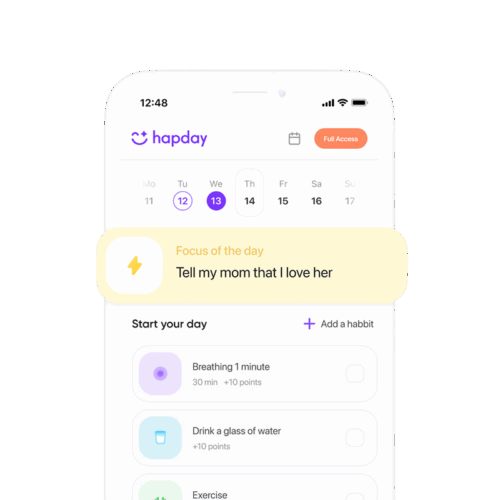
In this gentle unveiling of self-care, may you find peace and presence. For ongoing support and personalized guidance, try Hapday AI Life Coach with its 24/7 sessions and habit tracking, offering steadfast companionship for a balanced life.
References
- Harvard Health
- American Psychological Association
- Centers for Disease Control and Prevention
Join 1.5M+ people using Hapday’s AI-powered tools for better mental health, habits, and happiness. 90% of users report positive changes in 2 weeks.