

Emotional Wellbeing: How to Feel Balanced, Safe, and Grounded in Everyday Life
Emotional wellbeing is not about being happy all the time. It’s about feeling safe within yourself—even when life feels uncertain, overwhelming, or emotionally demanding. At its core, emotional wellbeing is the ability to understand, experience, and regulate your emotions without being controlled by them.
In today’s fast-moving world, many people operate on autopilot. We push through exhaustion, suppress feelings, and ignore emotional signals until stress, anxiety, or burnout forces us to stop. MindHaven exists to offer a gentler alternative—a calm space where emotional balance is not a luxury, but a daily practice.
What Is Emotional Wellbeing?
Emotional wellbeing refers to your capacity to:
- Recognize and name your emotions
- Accept feelings without judgment
- Respond rather than react
- Recover from emotional stress
- Feel connected to yourself and others
It doesn’t mean avoiding difficult emotions like sadness, fear, or anger. Instead, it means allowing these emotions to exist without letting them overwhelm your inner world.
When emotional wellbeing is strong, you feel more grounded, resilient, and present—even during challenging moments.
Why Emotional Wellbeing Matters More Than Ever
Modern life constantly pulls our attention outward—notifications, deadlines, expectations, comparisons. Over time, this disconnects us from our inner emotional landscape.
Poor emotional wellbeing can show up as:
- Chronic stress or anxiety
- Emotional numbness
- Irritability or mood swings
- Feeling disconnected from yourself
- Difficulty making decisions
- Mental exhaustion
On the other hand, emotionally balanced people tend to:
- Experience deeper self-trust
- Communicate more clearly
- Handle stress with greater ease
- Feel more fulfilled in daily life
Emotional wellbeing doesn’t remove life’s challenges—it changes how you experience them.
The Hidden Cost of Ignoring Your Emotions
Many of us were taught—directly or indirectly—that emotions are inconvenient. We learned to “stay strong,” “move on,” or “not overthink.” While these coping mechanisms may work short-term, they often lead to long-term emotional imbalance.
Suppressed emotions don’t disappear. They accumulate in the body and mind, manifesting as fatigue, tension, anxiety, or emotional reactivity.
Healing begins when we slow down and listen.
Building Emotional Balance: Small Shifts That Matter
You don’t need to overhaul your life to improve emotional wellbeing. Gentle, consistent practices create lasting change.
1. Name What You Feel
When emotions arise, pause and label them:
“I feel overwhelmed.”
“I feel sad.”
“I feel uncertain.”
Naming emotions reduces their intensity and brings clarity.
2. Practice Emotional Permission
Allow emotions without trying to fix them immediately. Feelings are information, not problems.
3. Create Emotional Check-In Moments
Ask yourself daily:
- What am I feeling right now?
- What do I need in this moment?
These small check-ins reconnect you with your inner world.
4. Regulate, Don’t Suppress
Regulation might include:
- Slow breathing
- Gentle movement
- Quiet reflection
- Journaling
The goal is safety, not control.
Emotional Safety: The Foundation of Inner Calm
Emotional wellbeing thrives when you feel safe—internally and externally.
Emotional safety means:
- You don’t judge yourself for how you feel
- You allow rest without guilt
- You honor emotional boundaries
- You trust your inner signals
When emotional safety is present, clarity and calm naturally follow.
When Emotional Support Is Needed
Sometimes self-help practices are not enough—and that’s okay.
Modern tools like AI-guided emotional coaching can provide:
- Gentle emotional reflection
- Personalized support
- Non-judgmental guidance
- Daily emotional clarity
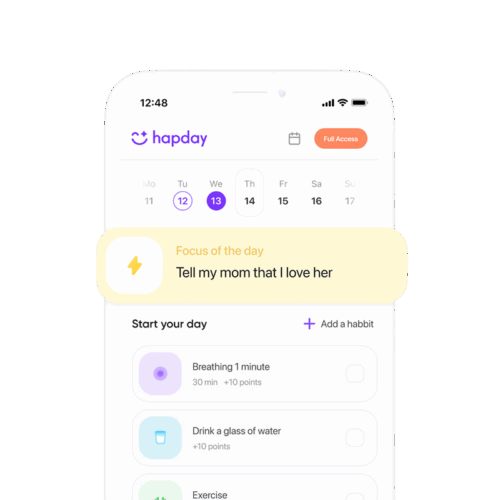
If you’re looking for structured, compassionate support, tools like Hapday’s AI Coach can help you understand emotional patterns and build balance—one calm moment at a time.
Join 1.5M+ people using Hapday’s AI-powered tools for better mental health, habits, and happiness. 90% of users report positive changes in 2 weeks.