

Mindfulness in Daily Life: How to Stay Present Without Changing Your Routine
Introduction
Mindfulness is often misunderstood as something that requires silence, long meditation sessions, or major lifestyle changes. In reality, mindfulness is designed to support everyday life, not disrupt it. When the mind feels overwhelmed by responsibilities, emotions, or constant digital noise, mindfulness helps bring awareness back to the present moment.
At MindHaven, we focus on practical mindfulness that fits naturally into daily routines. This guide explains how to stay present without adding pressure, helping you feel calmer, more grounded, and emotionally balanced throughout the day.
What Mindfulness Really Means
Mindfulness is the practice of paying attention to the present moment with openness and without judgment. It involves noticing your thoughts, emotions, bodily sensations, and surroundings as they are, rather than trying to change or control them.
Instead of forcing the mind to be quiet, mindfulness encourages gentle observation. This awareness creates emotional space, allowing thoughts and feelings to pass without overwhelming you.
Why Mindfulness Matters in Daily Life
Modern life constantly pulls attention in different directions. Many people spend their days thinking about the past or worrying about the future, which increases stress and emotional fatigue.
Mindfulness brings attention back to the present moment. Over time, this practice improves emotional regulation, reduces anxiety, enhances focus, and supports overall mental clarity and wellbeing.
Practicing Mindfulness During Everyday Activities
Mindfulness does not require special time or equipment. Simple daily activities such as walking, eating, or working can become mindful moments.
When walking, notice the sensation of your feet touching the ground. While eating, focus on taste and texture instead of distractions. These small moments of awareness help train the mind to stay present naturally.
Using the Breath as a Mindfulness Anchor
The breath is one of the most effective tools for mindfulness because it is always available. When thoughts feel scattered or emotions rise, gently bring attention to your breathing.
There is no need to change the breath. Simply observing its rhythm can calm the nervous system and restore emotional balance, even within a few minutes.
Mindfulness During Emotional Challenges
Strong emotions can make mindfulness feel difficult, but they are also moments when mindfulness is most helpful. Instead of resisting emotions, mindfulness encourages you to observe them gently.
By naming emotions without judgment—such as sadness, tension, or frustration—you reduce their intensity and allow them to move through you more peacefully.
Building a Sustainable Mindfulness Habit
Mindfulness works best when approached with kindness rather than discipline. Start small and allow the practice to grow naturally.
Even brief moments of awareness practiced consistently can create long-term emotional resilience and mental clarity.
Supporting Mindfulness with Guided Tools
Guided mindfulness can be especially helpful when emotions feel intense or unclear. Supportive guidance provides structure and reassurance.
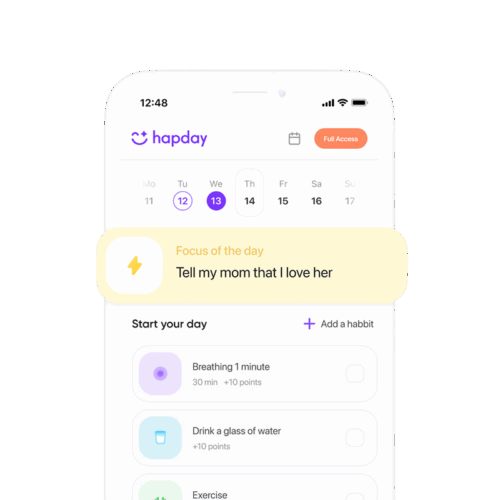
Tools like the Hapday AI Coach offer personalized mindfulness support, helping you reflect, reset, and stay emotionally grounded without feeling overwhelmed.
A Gentle Way Forward
Mindfulness is not about fixing yourself. It is about understanding yourself with patience and care. When practiced regularly, it becomes a steady source of calm, clarity, and emotional balance in everyday life.
Join 1.5M+ people using Hapday’s AI-powered tools for better mental health, habits, and happiness. 90% of users report positive changes in 2 weeks.