



Cultivating Inner Calm: A Daily Practice for the Stressed and Sleepless
Table of Contents
- Slow Down—Not Everything Needs to Be a Race
- Understanding the Concept of Inner Calm
- The Science of Calmness (It’s Not All Breathe in, Breathe Out)
- Practical Steps to Cultivate Inner Peace Daily
- Navigating the Mindful Habitual
- Embracing a Tranquil Tomorrow
- The Bottom Line
Wake up one morning—not just to the sound of relentless rain but to a world seemingly fraying at the seams. Outside, the storm’s rhythm eerily mirrors the chaos swirling in your life. Deadlines loom like dark clouds, tensions mount, and that never-ending barrage of notifications simply won’t quit. Feeling overwhelmed? You’re not alone. Finding a sense of inner calm often seems as elusive as catching rain in your hands, doesn’t it? Yet, in these small windows of chaos, therein lies the opportunity to seize moments of tranquility—if you’re willing to catch them.
Slow Down—Not Everything Needs to Be a Race
In our fast-paced existence, taking a moment to pause feels downright revolutionary. The treadmill of work, relationships, and self-imposed expectations—it’s daunting! Imagine if you could just pause for a second, breathe, and nurture a deep sense of inner tranquility. Sounds lofty, right? Maybe not as much as we think. The journey towards inner calm is just that—a journey. It requires both a deep understanding and an intent that’s mindful. Not a luxury, but a necessity.
Understanding the Concept of Inner Calm
Before diving headfirst into the “how,” let’s take a step back. What does inner calm actually mean? Certainly not the absence of emotion or some fantasy utopia. Instead, think of it as an adaptive state allowing you to face life’s turbulent moments with grace and resilience.
“Inner calm is a mental space where you feel grounded—even in the thick of external chaos. It’s not about being unfazed by stress, but managing it in such a way that you bounce back stronger.”
— Dr. Sarah Chen, Clinical Psychologist at NYU
This tranquility at its core stems from our body’s prowess in regulating the nervous system—shifting from that familiar fight-or-flight state to a more restful pose. It’s about letting the parasympathetic nervous system step in—facilitating recovery, relaxation, and a moment’s peace.
The Science of Calmness (It’s Not All Breathe in, Breathe Out)
Let’s delve into what happens beneath the surface when we’re stressed. Whenever demands exceed our capacity to manage them, cortisol and adrenaline rush to our aid. Great short-term, sure, but sustained stress? No wonder it’s linked to everything from heart issues to mental health. A report from the American Psychological Association sounded this alarm back in 2021.
Mindfulness practices—meditation, mindful breathing—they’ve garnered evidence as potent antidotes to stress. Looking back at a study published by Johns Hopkins University researchers highlighted how mindfulness practices bring moderate relief to symptoms like anxiety and depression. No wonder these methods boast such popularity.
Practical Steps to Cultivate Inner Peace Daily
1. Mindful Breathing: A Tool for Every Day, Not Just Crises
Let’s begin with something simple—breath. It’s the one constant we often ignore, yet its impact is profound. Don’t believe me? Take Maya’s word—when grappling with her divorce at 28, charged emotions overwhelmed her. On her therapist’s advice, she leaned heavily into deep-breathing exercises, finding them pivotal amidst her turmoil.
Why It Works: Deep, intentional breathing serendipitously boosts cerebral oxygen supply, tapping into your parasympathetic nervous potential and instigates calmness (Cleveland Clinic).
How to Practice:
- Settle into a quiet corner, sit or lie down, whatever feels right.
- Close your eyes, breathe in deeply through your nose to a count of four.
- Hold it; count to four.
- Exhale gently through your mouth over six counts.
- Keep this rhythm flowing for at least 5-10 minutes.
2. Stay Present: Anchor Your Day with Mindfulness
There’s a reason mindfulness isn’t just a buzzword. It’s a cornerstone—keeping you tied to now, not tomorrow’s worries or yesterday’s fears.
“Mindfulness is about staying tuned into now without the weight of judgment. It helps us break from our typical reactions and choose balance.”
— Dr. Emily Ryan, Certified Mindfulness Coach from Stanford
Why It Works: Mindfulness alters brain activity, especially in areas linked to self-referential thought and wandering minds—top sources of stress (Harvard University).
How to Practice:
- Start with ten guided meditation minutes at the day’s dawn—your breath, a mantra, or nearby sounds.
- Punctuate your day with mindfulness breaks: savor meals, feel water in your showers, notice feet-earth contact in your steps.
3. Physical Movement: Quieting the Mind through the Body
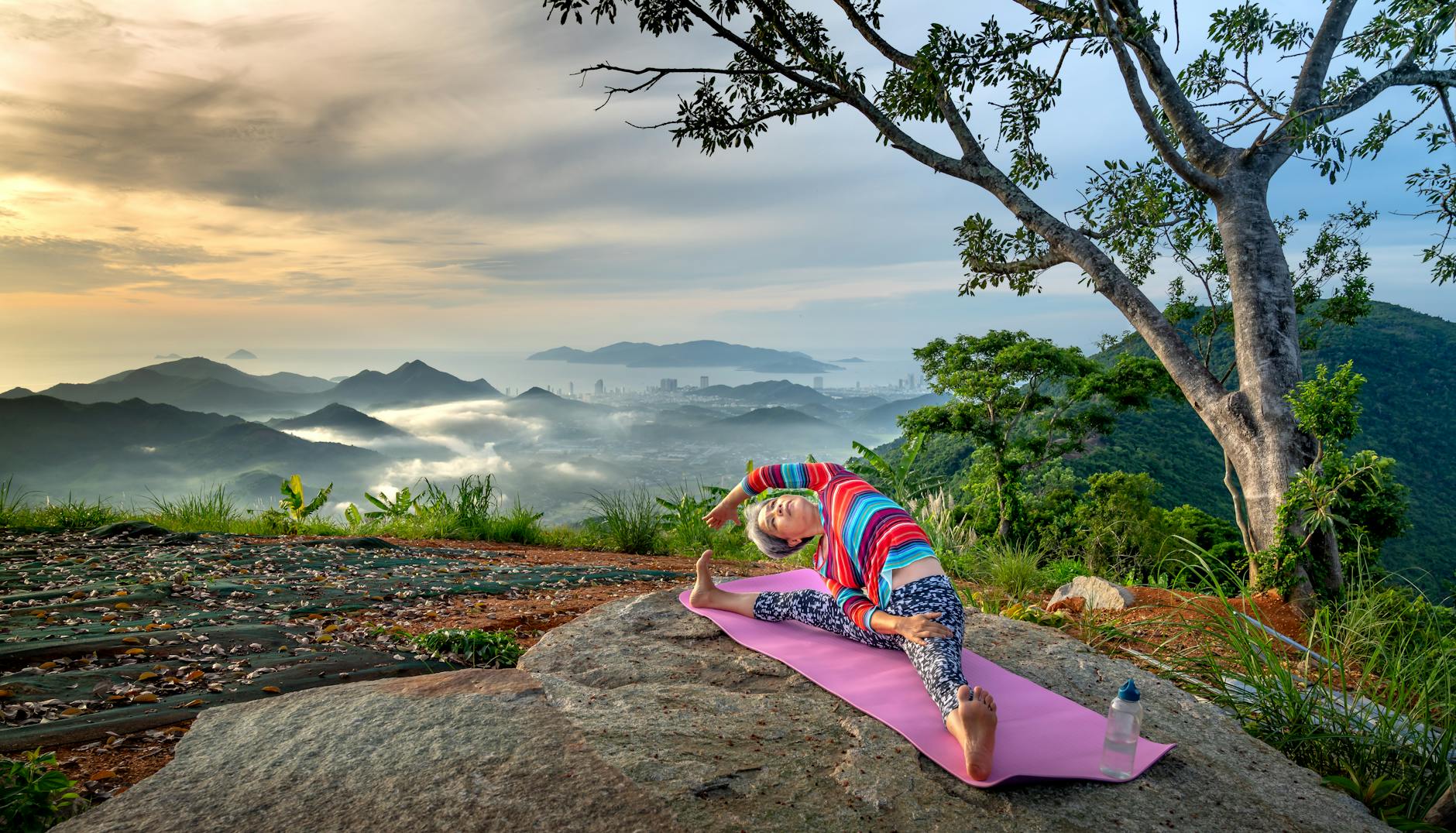
Movement isn’t solely for physical health; it’s paramount for mental tranquility. Yoga? Running? Even a leisurely park stroll centers our minds like nothing else.
Why It Works: Exercise releases endorphins, serotonin, and dopamine—a trio stabilizing mood and uplifting wellbeing while dialing down adrenaline and cortisol (Mayo Clinic).
How to Practice:
- Carve out 30 minutes for exercise you enjoy.
- Explore mind-body activities like yoga or tai chi aligning movement with mindfulness.
4. Less Screen, More Scene: A Digital Detox
In today’s hyper-connected age—where our gadgets flood our attention—a simple disconnect can be liberating. Take a leaf from Justin’s book. During his stressful job hunt at 25, he found solace in digital detoxes, reclaiming hours—more peace, less screen.
Why It Works: Less screen time tones down constant urgency and distraction, curbing stress and boosting slumber quality (National Institutes of Health).
How to Practice:
- Draw lines: declare specific no-screen moments at home.
- Adopt apps measuring screen time, strive to trim it down gradually. Maybe a weekend unplugged, living offline, engaging in rejuvenating activities.
5. At Home in Serenity: Crafting Your Sanctuary
Your environment’s impact on your internal calm can’t be understated. Craft spaces promoting relaxation and clear-headedness.
Why It Works: Clutter breeds chaos; tidy spaces command focus and calm (Environmental Psychology Research).
How to Practice:
- Regularly dedicate time to declutter, get organized.
- Weave calming hues, botanical elements, gentle lighting into spaces.
- Embrace soundscapes or aromatherapy; scents like lavender and chamomile cocoon one in calm.
Key Takeaways
- Inner calm is a journey requiring mindfulness and understanding.
- Mindfulness practices positively impact mental health and stress management.
- Physical movement and mindful breathing are critical tools for tranquility.
- Creating a serene environment can significantly enhance one’s inner peace.
Navigating the Mindful Habitual
How to integrate new habits amid life’s whirlwind? Start bite-sized. Choose a practice—embrace it until second nature—then layer others on. It’s consistency that ties these moments of calm into your routine.
Journaling complements this journey. Every day, pen down those calm blips and their disruptors. This reflection reinforces growth and accentuates where to smooth edges.
Embracing a Tranquil Tomorrow
Ultimately, inner calm isn’t a destination—it’s a lifelong voyage. A testament to valuing mental and emotional well-being akin to to-do lists or career pursuits. No matter the chaos, remind yourself, tranquility is always but a mindful breath away.
The Bottom Line
Inner calm is a continuous practice that requires dedication and mindfulness. By integrating simple techniques such as mindful breathing, physical movement, and a supportive environment, you can cultivate peace amidst the chaos of daily life.
Join 1.5M+ people using Hapday’s AI-powered tools for better mental health, habits, and happiness. 90% of users report positive changes in 2 weeks.