


Finding Balance: Emotional Wellbeing Tips for You
Table of Contents
- Grasping Emotional Wellbeing’s Importance
- The Balance Equation: Why Mind-Body Harmony Matters
- Building Blocks of Emotional Wellbeing: Laying the Groundwork
- Crafting a Life of Emotional Wellbeing
- Mindful Self-Reflection: Emotionally Charged Audits
- Conclusion: A Path to Peace
Key Takeaways
- Emotional wellbeing is essential for resilience and understanding our emotions.
- Mindfulness, restorative sleep, and social connections are core to emotional balance.
- Practicing gratitude and physical activity can enhance mood and reduce stress.
- Regular reflection assists in recognizing emotional patterns and responses.
Picture this: A Tuesday afternoon, your third Zoom meeting is dragging on, and the notifications on your phone seem relentless. The clamor from your laptop mingles with the constant hum of daily life, your mind swirling from one unfinished task to another. Sound familiar? You’re definitely not the only one. In this digital age, many of us are tightly bound by the demands of life and long to escape to a place of emotional tranquility—a refuge amidst the chaos.
Achieving balance in emotional wellbeing is no longer just a lofty goal; it’s a critical necessity. Amidst the roaring currents of modern life, true balance often seems so elusive. So, how might we steer ourselves with grace, tapping into a reservoir of inner peace? Let’s unravel strategies built on expert insights, moving narratives, and solid scientific grounding to guide this journey toward equilibrium.
Grasping Emotional Wellbeing’s Importance
From the personal trenches of struggle arises clarity about emotional wellbeing’s profound necessity. Take Maya, 28, who once described her divorce as feeling like “drowning above water.” Anxiety seeped into her daily existence, coloring every minute. But within this turmoil, she discovered the life-shaping power of emotional self-care. When life feels a lot like it did for Maya, emotional wellbeing can emerge not just as shelter, but as an essential retreat.
Emotional wellbeing—what does that really mean? It’s not merely a pursuit of happiness; it’s about building resilience, really understanding our emotions, and soothing the inner turbulence. According to the APA, tending to our emotional health has tangible impacts on our physical state, curtailing anxiety and depression (APA – 2020).
The Balance Equation: Why Mind-Body Harmony Matters
“Emotions are more than mere responses; they’re our way of connecting with the world. They urge us to action.”
— Dr. Sarah Chen, Clinical Psychologist
If you think about it, emotions are like signals guiding us. When the amygdala—our emotion-processing hub—gets overwhelmed, stress escalates. Catch those signals early and tackle them mindfully, and you can stave off the worst of stress’ effects.
Perhaps you’re wondering, how does all this science of the brain translate into the nitty-gritty of daily life? It’s simple. When life’s incessant demands outpace our emotional resources, stress escalates. Harvard researchers found that mindfulness and emotional regulation can significantly dampen stress markers (as reported by ScienceDaily in 2018).
Building Blocks of Emotional Wellbeing: Laying the Groundwork
Your journey to balance starts with solid foundations. First off, acknowledge your emotions—acknowledge them not as enemies but as companions, whether they bring joy or discomfort.
1. Mindfulness and Meditation
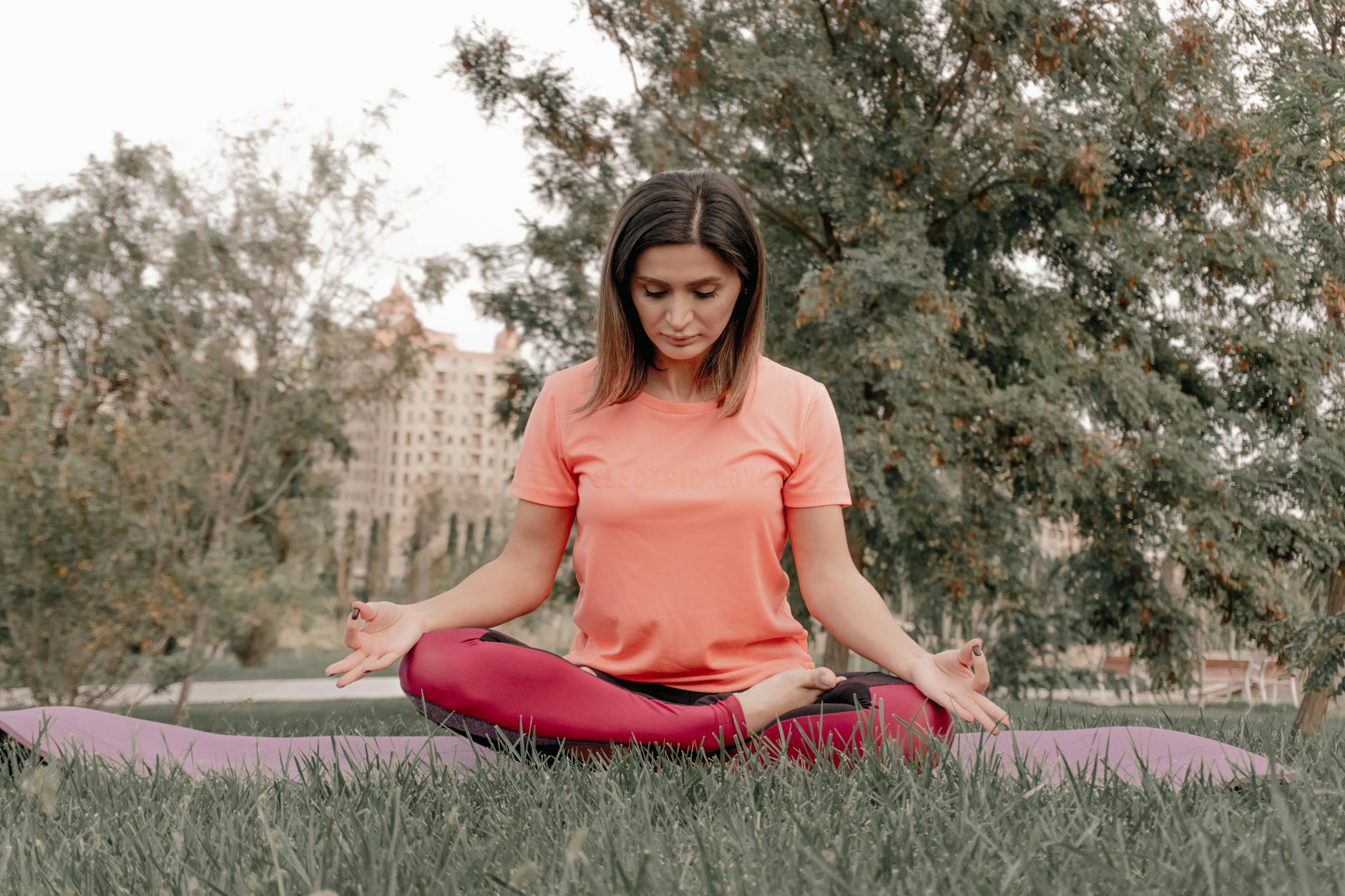
When the mind fills with noise, meditation is a potent remedy. Mindfulness nurtures a heightened awareness of the now, bringing about serenity. Jon Kabat-Zinn, a mindfulness pioneer, once said it’s about “paying attention, on purpose, in the present moment, with no judgment.”
Regular mindfulness meditation can visibly reduce anxiety by calming the brain’s stress-prone areas (Mayo Clinic’s 2021 findings).
2. Restorative Sleep
Hardly celebrated yet critically indispensable, restorative sleep is foundational to emotional steadiness. Insufficient sleep breeds irritability and disrupts our capacity to process emotions correctly. A CDC report states: adults lacking seven hours of sleep routinely find themselves buried in depressive and anxious thoughts.
Crafting a sleep routine: Create a pre-sleep ritual—dim the lights, shelve the screens, try a soothing bath or a gentle book. Let your body recognize it’s time to wind down.
3. Social Bonds and Supports
Humans are inherently wired for connection. Robust social ties buffer stress and fortify wellbeing. According to Stanford’s analysis, strong relationships exponentially boost survival rates, underlining the strength of social bonds.
Nurturing support: Cherish connections, whether through a virtual chat or a meet-up—these interactions build a protective net around emotional resilience.
4. Gratitude’s Effect
Gratitude is transformative, enriching our emotional landscape with bright threads. UC Davis research highlights that those embracing regular gratitude practices experience elevated moods and a noticeable drop in depression symptoms.
Practicing gratitude: Keep a simple gratitude journal. Note daily the things you’re thankful for. Share them with someone close, weaving a tapestry of shared appreciation.
5. Physical Activity: A Balm for the Mind
Moving the body is a surefire way to lift spirits. Exercise triggers endorphins, which lighten mood and bash stress. Insights from Harvard reveal that exercise reduces both adrenaline and cortisol levels—those pesky stress hormones.
Injecting movement into life: Carve out bits of your day for movement—yoga, brisk walks, or home workouts—to invigorate both body and mind.
Crafting a Life of Emotional Wellbeing
Real change stems from consistency, acknowledges Dr. Elaine Rodino, a clinical psychologist:
“True emotional health arises from self-compassion and embracing imperfection.”
— Dr. Elaine Rodino, Clinical Psychologist
It’s not about giant leaps, but small, meaningful steps. Visualize an emotional toolkit tailored to your unique needs, reflecting an honest portrait of your feelings.
Mindful Self-Reflection: Emotionally Charged Audits
Regular reflection provides clarity on emotions and reactions. Dedicate time each week to an “emotional audit,” shedding light on recurrent triggers and patterns.
Introspection prompts:
- Which emotions took center stage this week? And why?
- What was my response to these emotions?
- How might my reactions differ to yield better outcomes?
Conclusion: A Path to Peace
As you journey towards emotional wellbeing, embrace the practices not as chores, but as gentle supports. Gradually cultivate spaces where you can discover peace amid chaos, connection amid solitude, and clarity amid doubt. A balanced emotional life empowers you to navigate the world confidently. And yes, you too can foster this equilibrium. Seek presence and introspection, not by striving for more but by cherishing the moments already here.
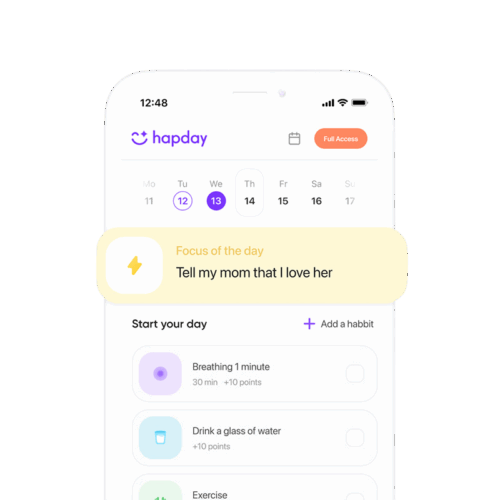
Embrace balance, explore further with Hapday AI Life Coach—your 24/7 ally offering tailored wellness plans. Venture onward: Hapday AI Life Coach.
The Bottom Line
In this pursuit of emotional equanimity, remember—the path itself is as vital as the destination. Find your balance, renew your spirit, and thrive within the calm you’ve crafted.
Join 1.5M+ people using Hapday’s AI-powered tools for better mental health, habits, and happiness. 90% of users report positive changes in 2 weeks.