



The Path to Emotional Resilience: Finding Balance in a Chaotic World
Table of Contents
- Unpacking Emotional Resilience
- 1. Embrace a Positive Mindset
- 2. Develop Strong Social Connections
- 3. Engage in Mindfulness and Meditation
- 4. Physical Activity for Mental Power
- 5. Practice Self-Compassion
- 6. Foster a Sense of Purpose
- 7. Boost Problem-Solving Skills
- 8. Prioritize Self-Care
- 9. Learn from Setbacks
- 10. Seek Professional Support
Unpacking Emotional Resilience
To truly harness resilience, understanding its core is vital. As the American Psychological Association once noted, resilience isn’t some mystical attribute. It’s a learned amalgam of thoughts, behaviors, and actions. Again and again, research reveals that people who master resilience manage stress more efficiently, bounce back faster from life’s slaps, and generally find more satisfaction on their journey. Back in 2011, the APA emphasized that this skill is within everyone’s grasp.
1. Embrace a Positive Mindset
At the heart of resilience is a positive mindset. Research from the Mayo Clinic underscores that keeping a positive outlook can drastically increase your stress management capabilities. This doesn’t entail denying reality’s harshness but invites you to focus on the silver linings amidst adversity. Start small: jot down things you’re grateful for, celebrate minor wins, and slowly, watch the magic unfold.
2. Develop Strong Social Connections
We are, after all, social beings, aren’t we? Building and nurturing supportive relationships greatly enhances resilience. According to findings in the Journal of Social and Personal Relationships, those with robust social ties often weather stress better and report higher well-being. So, surround yourself with encouraging folks, or perhaps join a community group to forge new, positive connections.
3. Engage in Mindfulness and Meditation
Mindfulness, alongside meditation, significantly fuels emotional resilience. It enhances self-awareness and lessens knee-jerk reactivity. A study in JAMA Internal Medicine concluded that mindfulness meditation effectively reduces stress while bolstering emotional health. Even a few minutes a day, focusing on your breath, can anchor your thoughts. Isn’t it time to give it a try?
4. Physical Activity for Mental Power
Exercise isn’t merely for the body. It’s profoundly beneficial for the mind, too. Harvard Health Publishing outlines that exercise releases endorphins, those magical mood elevators, which help reduce symptoms of depression and anxiety. Love jogging or perhaps dancing? Maybe yoga is more your speed. Try to squeeze in about 30 minutes of physical activity on most days.
5. Practice Self-Compassion
Often, we’re our harshest critics, aren’t we? Self-compassion, as Dr. Kristin Neff’s research highlights, is crucial for stress management and enriching psychological health. The next time you’re faced with hardship, be as kind to yourself as you would be to a dear friend. Recognize that imperfections are a universal human trait.
6. Foster a Sense of Purpose
A clear purpose in life acts as a buffer against stress while enhancing resilience. Studies indicate that individuals with a strong sense of purpose not only enjoy better health outcomes but are also more resilient in the face of adversity. Search within—what drives you? Is it volunteering, a passion project, or setting meaningful goals? Let it guide you.
7. Boost Problem-Solving Skills
Resilience demands effective problem-solving abilities. Confronting challenges head-on prevents overwhelming feelings. Break your problems into bite-sized steps and brainstorm potential solutions. A 2019 study in the journal Cognitive Therapy and Research notes that honing problem-solving skills can lessen emotional strain and boost resilience.
8. Prioritize Self-Care
A well-rounded self-care routine is integral to building resilience. This encompasses a myriad of activities—from hobbies and rest to maintaining nutritious meals. As Conley et al. revealed, a holistic approach to self-care can significantly reduce stress and improve overall well-being. Remember, cherish yourself and make self-care non-negotiable.
9. Learn from Setbacks
Resilience often requires viewing setbacks as growth opportunities. The National Institute of Mental Health suggests that reframing setbacks can cultivate a growth mindset, which in turn encourages personal and emotional development. Reflect on past challenges—what did you learn? Let those lessons better equip you for future hurdles.
10. Seek Professional Support
Sometimes, leaning on a professional can make a world of difference. Therapists bring valuable insights and tools to fortify your resilience. Cognitive-behavioral therapy (CBT), in particular, has shown promising results in enhancing emotional resilience while alleviating stress and anxiety.
Emotional resilience is less a destination and more a continuous journey—one filled with learning, growth, and self-discovery. By embracing and practicing these strategies, you carve a path toward lasting resilience. Maybe—just maybe—it’s time to take that step. Your emotional wellbeing isn’t just a worthy pursuit; it can become your strongest ally in facing life’s inevitable ups and downs.
References:
- American Psychological Association. (2011). The Road to Resilience.
- JAMA Internal Medicine. Mindfulness meditation and reducing stress.
- Harvard Health Publishing. The impact of exercise on mood.
- Greater Good Science Center. Resilience and Purpose.
- Cognitive Therapy and Research Journal. Problem Solving and Resilience.
- Conley et al. Self-care and Wellbeing.
Remember, even small shifts can make significant impacts. Start today—it’s worth the effort.
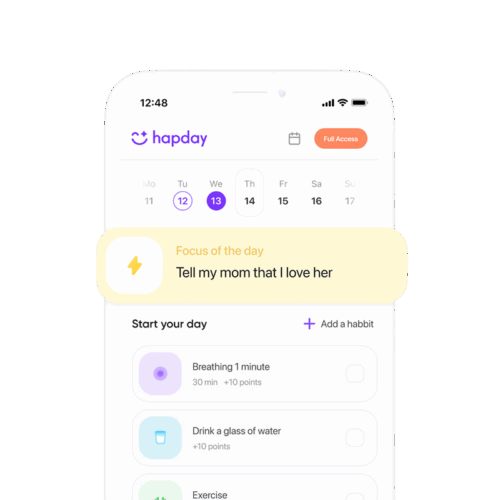
Join 1.5M+ people using Hapday’s AI-powered tools for better mental health, habits, and happiness. 90% of users report positive changes in 2 weeks.