



10 Ways to Boost Emotional Balance
Table of Contents
- Understanding Emotional Balance
- 1. Practice Mindfulness Meditation
- 2. Develop a Gratitude Ritual
- 3. Set Healthy Boundaries
- 4. Engage in Regular Physical Activity
- 5. Foster Quality Relationships
- 6. Sleep Hygiene is Key
- 7. Practice Self-Compassion
- 8. Limit Screen Time
- 9. Create a Balanced Diet
- 10. Seek Professional Support When Needed
- Putting it All Together
Understanding Emotional Balance
Emotional balance doesn’t require us to stifle feelings or stay perpetually in a state of glee. It’s more about fostering the adaptability to navigate life’s ups and downs while maintaining peace amidst the storm. Back in 2021, the Journal of Positive Psychology highlighted that individuals who master emotional balance typically report experiencing less stress and more contentment.
1. Practice Mindfulness Meditation
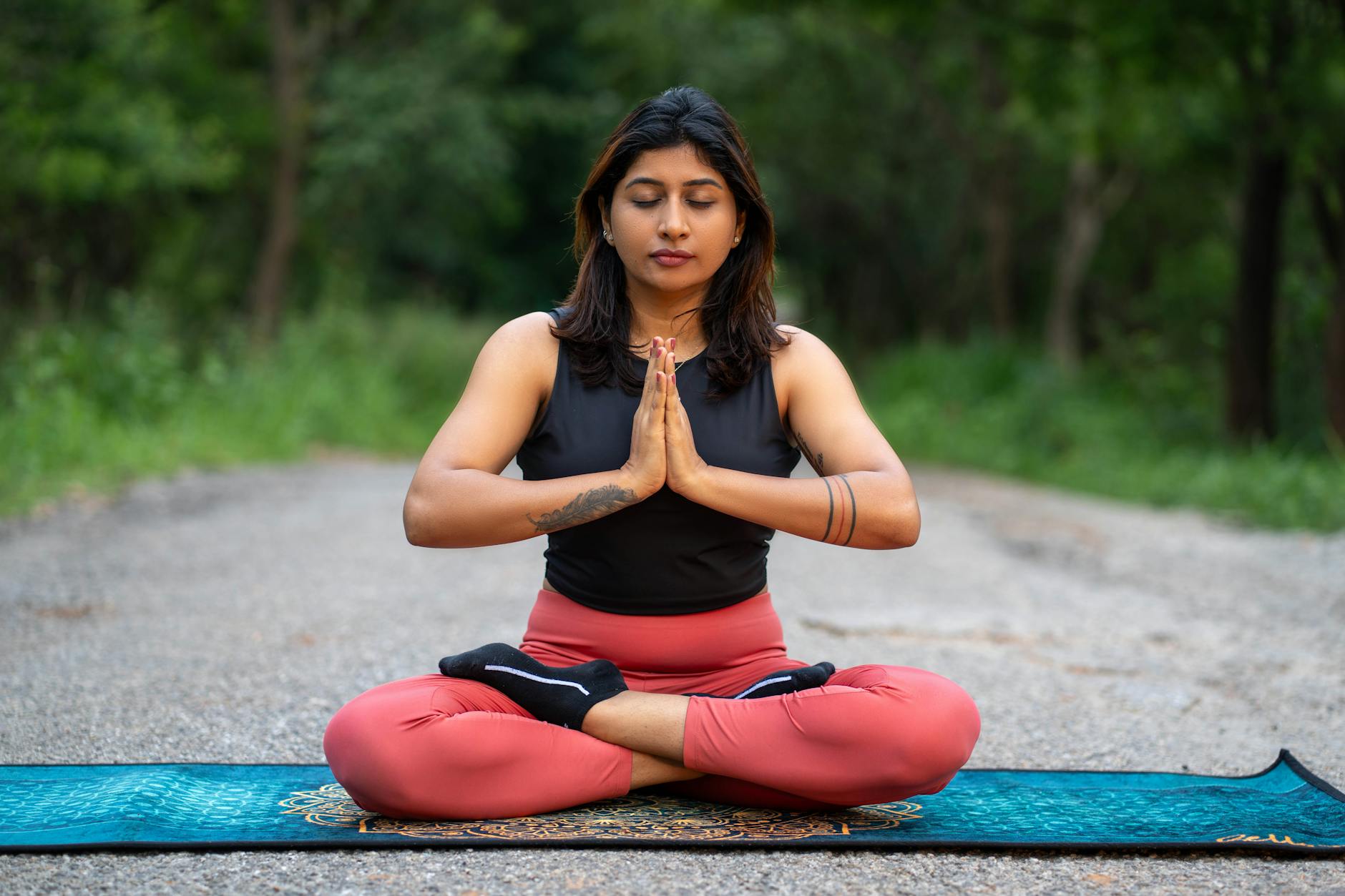
Mindfulness meditation—it’s hailed for boosting emotional equilibrium. This practice revolves around anchoring your focus in the present moment sans judgment. According to Psychological Science, people who engaged in mindfulness meditation for eight weeks exhibited heightened connectivity in the brain areas tied to emotional control. Start small, maybe five minutes a day, and ease into longer sessions as you grow more at ease.
2. Develop a Gratitude Ritual
Engaging in gratitude practices can profoundly change your emotional landscape. By taking the time to note what you’re grateful for, you foster positivity. The Greater Good Science Center found that such habits can reduce envy and resentment while amplifying joy and satisfaction. Consider jotting down three things you’re thankful for each day.
3. Set Healthy Boundaries
Creating boundaries is essential for safeguarding your emotional well-being. Knowing when to decline requests can shield you from burnout. The American Psychological Association survey underscores that individuals with clear boundaries report diminished stress. Look at your commitments: where are you overstretching yourself?
4. Engage in Regular Physical Activity
Physical exercise supports not only your body but your emotional health as well. According to the Mayo Clinic, regular activity can decrease anxiety, depression, and elevate your mood. Aim for about 30 minutes of moderate movement most days—whether that’s walking, biking, or doing yoga. These activities release endorphins, which boost emotional balance.
5. Foster Quality Relationships
Cultivating connections with people who bring happiness and support into your life is invaluable. Strong relationships buffer us during difficult times. For over 80 years now, a Harvard study has been reinforcing the idea that good relationships are central to happiness and emotional stability. Invest time in nurturing bonds that uplift and support you.
6. Sleep Hygiene is Key
Restful sleep is often overlooked, though it’s a cornerstone of emotional stability. Lack of adequate rest affects not just physical vitality but also emotional processing. The National Sleep Foundation advises getting 7-9 hours of quality sleep to manage stress effectively and maintain emotional health. Craft a soothing bedtime ritual to ensure consistent, refreshing rest.
7. Practice Self-Compassion
Self-compassion revolves around treating oneself with the same kindness offered to a friend. According to Dr. Kristin Neff, self-compassion can lead to bolstered emotional resilience and satisfaction. Practice this by recognizing your struggles without harsh self-talk and offering comfort during tough periods.
8. Limit Screen Time
In the age of technology, excess screen exposure can dent emotional wellness. Computers in Human Behavior highlights that heavy tech usage is linked with higher anxiety and stress. Designate periods to unplug, allowing your mind the space to breathe and recharge.
9. Create a Balanced Diet
What you eat can shape your emotions. Diets rich in omega-3s, whole grains, and vegetables can enhance mood and balance. Nutritional Psychiatry, a burgeoning field, suggests that eating well can reduce the likelihood of depression and anxiety.
10. Seek Professional Support When Needed
Sometimes, professional help is needed to restore emotional balance. Therapists provide guidance and strategies tailor-made for your challenges. The National Alliance on Mental Illness notes that therapy can significantly alleviate stress and enhance quality of life.
Putting it All Together
Striving for emotional balance is a journey—a process intertwined with self-discovery and persistent practice. As you adopt these strategies, be kind to yourself… It’s a process, after all. Life’s challenges won’t cease, but with the right tools, finding stability in chaos becomes a realistic pursuit.
Reflecting on these ten paths, remember they’re practical steps towards enriching your emotional balance. By weaving mindfulness, gratitude, authentic relationships, and more into daily life, you place yourself on the road to emotional wealth. Begin today, take a step, embrace the rhythm, and nurture the balance you seek.
References
- “Mindfulness Meditation” – Psychological Science
- “The Power of Gratitude” – Greater Good Science Center
- “Effects of Exercise on Mental Well-Being” – Mayo Clinic
- “The Importance of Bedtime Routines and Sleep” – National Sleep Foundation
- “Self-Compassion Insights” – Dr. Kristin Neff
- “Screen Time and Mental Health” – Computers in Human Behavior
- “Nutritional Psychiatry” – Nutritional Psychiatry Journal
- “Benefits of Therapy” – National Alliance on Mental Illness
Join 1.5M+ people using Hapday’s AI-powered tools for better mental health, habits, and happiness. 90% of users report positive changes in 2 weeks.