

Mindful Breathing for Inner Peace
Table of Contents
- Understanding Mindful Breathing
- The Science Behind Mindful Breathing
- Benefits of Mindful Breathing for Emotional Wellbeing
- How to Practice Mindful Breathing
- Incorporating Mindful Breathing into Daily Life
- Cultivating a Sustainable Practice
- Mindful Breathing Exercises to Explore
- References
Understanding Mindful Breathing
Mindful breathing isn’t just a habit; it’s the art of synchronizing your breath, mind, and body harmoniously. At its heart, mindful breathing is about focusing entirely on the breath—the natural rhythm of breathing in and out. Back in 2021, a study in the Journal of Clinical Psychology suggested that mindful breathing might significantly lower anxiety, stress, and depression, while enhancing focus and emotional regulation. Quite a benefit for just breathing, isn’t it?
The Science Behind Mindful Breathing
Breathing ties directly into the parasympathetic nervous system, managing how our body rests and digests. By engaging in deep, intentional breaths, we activate this system, inviting tranquility and reducing cortisol levels—the infamous stress hormone. A claim by the American Institute of Stress holds that mindful breathing slows heart rates, lowers blood pressure, and cultivates a sense of peace.
Benefits of Mindful Breathing for Emotional Wellbeing
- Stress Reduction: A Harvard Medical School study found that people dedicating just 10 minutes a day to mindful breathing saw lasting reductions in stress. Who wouldn’t want that?
- Enhanced Concentration: Zeroing in on your breath nurtures focus and clarity. This form of meditation boosts concentration and cognitive function—must-haves for staying grounded amid life’s distractions.
- Improved Emotional Health: It prompts embracing thoughts and feelings non-judgmentally. This acceptance helps manage emotional reactions more deftly, easing anxiety or depression.
How to Practice Mindful Breathing
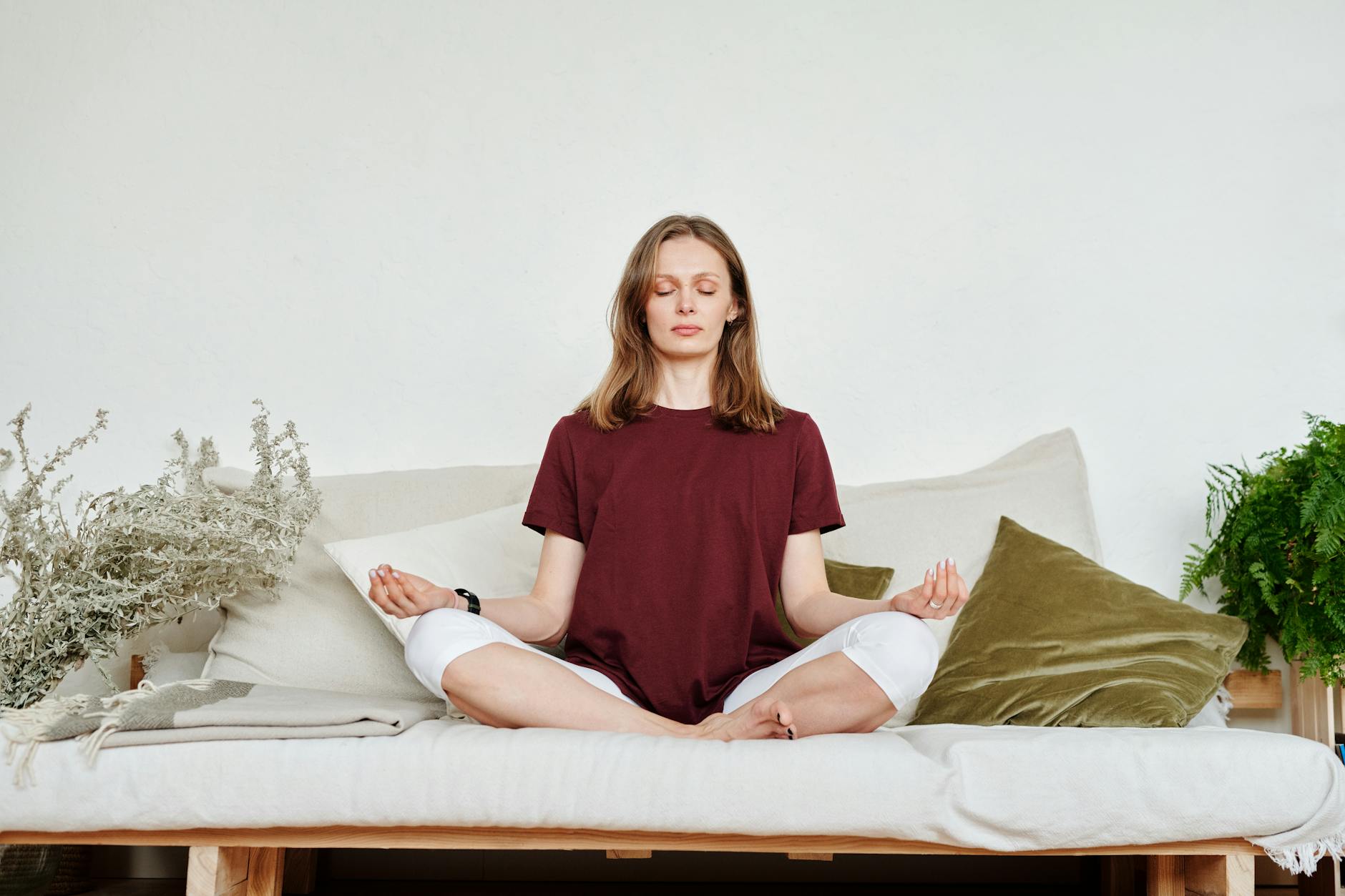
- Find a Quiet Space
Select a tranquil setting where interruptions are unlikely. Sit with your back straight, feet grounded—or lie down if that’s preferable. - Focus on Your Breath
Gently close your eyes and tune into the effortless flow of your breath. Notice air entering nostrils, filling lungs, then softly exiting. Simple, right? - Practice Deep Breathing
Breathe deeply through your nose and let your abdomen rise. Hold briefly, then exhale through your mouth. A relaxing cycle—repeat for a few minutes. - Return to Natural Breathing
Let any effort to control dissipate, observing breath in its innate flow. If distractions arise, kindly redirect focus back to breathing’s gentle rhythm.
Incorporating Mindful Breathing into Daily Life
- Morning Routine: Commence your day with 5 minutes of mindful breathing, setting a serene and focused tone for the hours ahead.
- At Work: Slot in brief mindful breathing breaks to rejuvenate, particularly during demanding periods.
- Evening Unwind: Ease into sleep with a breathing session, releasing the day’s stress, preparing for restful repose.
Cultivating a Sustainable Practice
Consistency is crucial for enduring benefits from mindful breathing. Begin with short, digestible sessions, extending as comfort grows. Engaging with local mindfulness communities or workshops welcomes shared experiences and further insights.
Mindful Breathing Exercises to Explore
- 4-7-8 Breathing: Lure in breath silently through the nose for 4 seconds, hold for 7, exhale fully for 8 seconds. A relaxation tool ready on demand.
- Box Breathing: Inhale to a count of 4, hold 4, exhale 4, and pause 4. Beloved by athletes and experts to keep cool under pressure.
- Focused Breathwork: Focus intently on the breath cycle, gently redirecting whenever the mind wanders.
Ultimately, mindful breathing offers an accessible, actionable path to finding inner stillness and boosting emotional health. It invites us to pause, connect—and find a whisper of peace, even on turbulent days. With each breath, we nurture a garden of calm within.
Why not give mindful breathing a go today? Share your journey with us—what did you discover?
References
- Journal of Clinical Psychology
- American Institute of Stress
- Harvard Medical School
Join 1.5M+ people using Hapday’s AI-powered tools for better mental health, habits, and happiness. 90% of users report positive changes in 2 weeks.