



Why Your Personal Growth Habits Aren’t Sticking
Sunday night, you stack a fresh notebook on your nightstand and make a quiet deal with yourself: this is the week. You’ll meditate, journal, move your body, drink water, stop doomscrolling, and finally feel like a calmer version of you. By Wednesday, life has other plans. The notebook gathers dust. Your screen time climbs. You promise Monday will be different. If this stings a little, you’re not failing—your personal growth habits are bumping into forces most of us underestimate.
You might be sitting with frustration, maybe even a touch of shame, as if you lack discipline. The truth is far gentler. The distance between what we intend and what we do is profoundly human—and fixable. Once you see why your personal growth habits aren’t sticking, you can rebuild them in ways that feel sturdier and kinder, not stricter. I’ll risk a view here: compassion is a more reliable lever than grit.
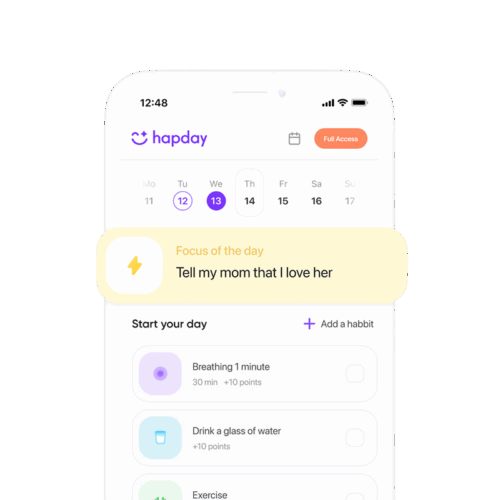
Image: person gently rebuilding personal growth habits during a calm morning routine.
Table of Contents
- The hidden frictions behind your personal growth habits
- Your brain isn’t the enemy: how habits actually stick
- Why your motivation peaks, then vanishes
- Sleep, stress, and the self-control budget
- Case study: Maya
- Identity, emotion, and personal growth habits that feel like you
- Design your environment so personal growth habits require less willpower
- Make it smaller, sooner, and satisfying
- Case study: Jordan
- Stress-proof your personal growth habits with flexible rules
- Mindfulness as a habit primer
- Move your body, but kindly
- Build accountability without shame
- Case study: Reece
- Troubleshooting your personal growth habits: questions to ask
- A gentle plan for the next seven days
- Closing thought
- Summary and Call to Action
- The Bottom Line
- References
Key Takeaways
- Habits slip due to environment, stress, sleep debt, and delayed rewards—not personal weakness.
- Design beats willpower: use clear cues, tiny first steps, and immediate satisfaction.
- Align habits with identity and values; compassion outperforms shame.
- Protect sleep and build flexible, “tiny version” backups for chaotic days.
- Increase friction for derailers (like phones) and reduce friction for desired actions.
The hidden frictions behind your personal growth habits
Start with the quiet culprits. Your environment has a say—your phone hums, your to-do list multiplies, your couch issues soft orders after 9 p.m. Decision fatigue creeps in by mid-afternoon. And the emotional load is real: anxiety, grief, burnout don’t step aside while you try to breathe; they sit down next to you.
“Most people assume change is only about stronger discipline. But shame and self-criticism are the real derailers. When you feel bad about not sticking to a habit, your brain tags the habit as threatening, and you avoid it to protect yourself. Compassion isn’t a luxury; it’s a mechanism for behavior change.”
— Dr. Lena Ortiz, Licensed Clinical Psychologist
Biology piles on. New habits pay off later (less stress, better sleep). Distractions pay off now (a quick dopamine hit from your feed). The brain’s reward system is tuned to immediacy, which is why scrolling beats stretching at 10 p.m. The modern environment doesn’t help: we touch our phones thousands of times a day—an avalanche of cues that tilts the odds.
Your brain isn’t the enemy: how habits actually stick
Good news. The brain adores patterns. Give it a clear cue, a small action, and a satisfying finish, and it will save that sequence. Repeat until the routine moves from effortful to automatic. The brain conserves energy by sticking to defaults—yet the same wiring can be recruited for better patterns through incremental steps and consistent cues. The pragmatic take? Your brain isn’t moral; it’s economical. Design for that.
Why your motivation peaks, then vanishes
If your habits arrive loud on Monday and leave quietly by Thursday, it’s not indifference. It’s the nature of motivation. It spikes with novelty and ebbs when life becomes complicated. Willpower is finite in the short term and works best when paired with simple systems—reducing temptations, crafting if-then plans, leaning on social support. Motivation is a spark; systems keep the fire.
Sleep, stress, and the self-control budget
When you’re exhausted or flooded with stress, even a two-minute practice weighs a ton. One in three adults in the United States isn’t getting enough sleep, and sleep loss muddles attention, mood, and self-regulation—the exact skills habits demand. High stress is linked with difficulty maintaining healthy behaviors and a surge in avoidance. No wonder the after-work workout evaporates in crisis weeks.
“Sleep is the underrated foundation. When people improve sleep by even 30 to 60 minutes a night, they often report the rest of their personal growth habits feel less uphill. You’re not lazy—you’re under-rested.”
— Aisha Rahman, MD, Psychiatrist
Case study: Maya
When Maya, 28, moved through a divorce last fall, she swore by a 45-minute morning yoga sequence. Within days, grief and fragmented sleep turned the practice into a cliff. She concluded the habit “didn’t work.” Her therapist offered a smaller bet: a two-minute standing flow after brushing her teeth, with permission to stop there. Weeks later, she hadn’t missed. The kinder version slipped under her depleted energy and rebuilt trust.
Identity, emotion, and personal growth habits that feel like you
Another reason habits slide: they don’t feel like yours. You borrowed someone’s 5 a.m. routine or bolted on a productivity system that pinches your creative brain. When habits clash with identity, friction rises. Follow-through is higher when changes align with values and self-concept.
Try this pivot: instead of “I have to run three miles,” try “I’m a person who nourishes my energy most mornings.” Soft? Yes. Effective? Often.
“If the habit is a punishment, your nervous system will avoid it. If it’s a practice of care, your body will cooperate.”
— Dr. Lena Ortiz, Licensed Clinical Psychologist
Design your environment so personal growth habits require less willpower
Behavior scientists return to one refrain: make the right thing easy and the wrong thing hard.
“Environment beats motivation. Put friction in front of the habit you want less of, and remove friction from the one you want more of. It’s not cheating—it’s design.”
— James Patel, MSc, Behavioral Scientist and Coach
Why it works:
- Cues matter: When a trigger (say, a yoga mat by the bed) is visible and tied to an existing routine, follow-through rises because the brain connects the dots without extra decisions.
- Friction matters: Even a small extra step—like logging in—can slash a behavior, because our brains conserve effort by default.
How to do it:
- Pair cues with anchors you already do: After coffee, I journal one page. After I park the car, I take three breaths.
- Make the first step too easy to skip: Open the journal; put on shoes; fill the water bottle.
- Raise the friction on derailers: Keep your phone in another room at night, disable autoplay, or move social apps off your home screen.
Make it smaller, sooner, and satisfying
New habits struggle because their payoff is delayed. Your reward system thrives on immediate signals that say, “Yes—this.” Small, near-term rewards strengthen learning.
Why it works:
- Small: When a habit takes two minutes, the brain marks it as safe and doable, even on low-energy days.
- Sooner: Add a pleasant cue or tiny reward right after the action—like a favorite song during a walk—to weld the behavior and a positive feeling.
- Satisfying: Visual progress—checking a box, seeing a streak—feeds the “do it again” loop.
How to do it:
- Set a “minimum viable” version: One line in the journal. One stretch. One mindful breath.
- Use “temptation bundling”: Only listen to a cherished podcast while on a walk.
- End on a win: Smile and say “done” out loud; check a box; put a sticker on a calendar.
Case study: Jordan
Jordan, 33, wanted to read at night instead of scrolling. He charged his phone in the kitchen at 9 p.m., set a novel on his pillow each morning, and reserved a luxe tea only for reading time. Two weeks later, the ritual stuck—not through heroics, but because design and instant rewards carried the weight. The book didn’t beat the phone; the setup did.
Stress-proof your personal growth habits with flexible rules
Rigid plans crack in real life. Build “give” into the system so habits bend instead of snapping.
Why it works: Flexibility keeps your nervous system safer than all-or-nothing demands. Relapse is part of behavior change, and planning for imperfect days increases resilience. Flexibility is discipline in a durable form.
How to do it:
- The two-sizes rule: Have a regular version and a tiny version. If the day explodes, do the tiny one and call it a success.
- The two-day rule: Miss once? Fine. Don’t miss twice.
- The swap rule: If you can’t do your usual meditation, do three breaths standing in the shower.
Mindfulness as a habit primer
Mindfulness steadies the stress response and trains attention—the very muscles that make other habits possible. Brief, daily practice can ease stress and support emotional balance. If you open an app and feel too restless to sit, you’re not broken. Try a micro-practice: one mindful sip of water, or noticing five sounds. You’re teaching your brain stability in tiny, repeatable moments—scaffolding for every other habit.
Move your body, but kindly
Movement is a potent ally for mood and stress resilience. If weekly activity targets feel far away, remember: frequency and consistency matter more than intensity at the beginning. A 10-minute walk after lunch can become a keystone—boosting energy, sleep, and emotional regulation. Gentle starts outlast grand restarts.
Build accountability without shame
Support helps—until it turns into pressure. Look for accountability that feels encouraging, not performative.
Why it works: Social support offers motivation and modeling. But shame-based accountability backfires by elevating stress, which undermines self-control. Quiet check-ins beat leaderboard culture.
How to do it:
- Choose one gentle ally: text a friend a checkmark emoji after your habit.
- Join communities that normalize tiny wins, not just streaks.
- If you track, track lightly. Use a simple paper calendar or an app that celebrates effort, not just perfection.
Case study: Reece
Reece, 26, wanted a daily mindfulness practice to ease social anxiety. Group challenges made them tense. Instead, they set a one-minute minimum, used a discreet tracker, and told a friend they’d send a weekly “one thing that helped” message. Six weeks in, Reece practiced more days than not—and felt steadier meeting new people.
Troubleshooting your personal growth habits: questions to ask
- Is my cue obvious and tied to something I already do? If not, anchor it: “After I make coffee, I…”
- Is my first step too big? Shrink it to two minutes.
- Is there immediate satisfaction? Add a pleasant song, a sticker, or a “done” ritual.
- Is my environment helping? Put tools in sight; increase friction for derailers.
- Am I under-rested or overstressed? Protect sleep and build in recovery.
- Does this habit reflect my values and identity right now? If not, rewrite it in your own language.
- Do I have a tiny version for bad days? If not, make one.
A gentle plan for the next seven days
- Day 1: Choose one habit that matters this month. Write one sentence naming the identity it supports: “I’m someone who…” Place a visible cue where you’ll see it.
- Day 2: Define the two-minute version. Practice it once after a daily anchor.
- Day 3: Add a tiny, immediate reward. Pair with music, a checkmark, or a smile.
- Day 4: Increase friction for a derailer. Move an app, set a screen limit, or charge your phone outside the bedroom.
- Day 5: Protect sleep by 30 minutes. Dim lights sooner; keep the bedroom cool and device-free.
- Day 6: Invite a friend to be your gentle ally. Share your tiny version and ask for a weekly check-in.
- Day 7: Reflect without judgment. What made it easier? What got in the way? Adjust your cue or tiny version, not your worth.
Closing thought
When life tilts into chaos, your personal growth habits don’t have to disappear. They can flex, shrink, and wait—like a small light you can always turn back on. If this week didn’t go as planned, your next rep still counts. It’s okay to begin again, and again.
Summary and Call to Action
Your habits don’t slip because you’re weak. They slip because stress, sleep debt, and delayed rewards overwhelm good intentions. Build tiny, identity-aligned actions with immediate satisfaction, and let your environment do the heavy lifting. If you want gentle structure and real-time support, try a tool that meets you where you are. Get Hapday AI Life Coach for 24/7 guided sessions, habit tracking, and personalized wellness programs: https://apps.apple.com/app/hapday-ai-life-coach/id1498572982
The Bottom Line
Your habits aren’t a character test. Design smarter, rest deeper, go smaller, and be kinder. Match routines to your energy, align them with who you are, and let your environment carry more of the load. That’s the quiet shift—from trying to becoming.
References
- American Psychological Association (Willpower)
- American Psychological Association (Stress in America)
- American Psychological Association (Healthy Habits)
- Centers for Disease Control and Prevention (Sleep and Sleep Deprivation)
- Harvard Health Publishing (Why It’s Hard to Change Behavior)
- NIH—National Center for Complementary and Integrative Health (Mindfulness and Meditation)
- National Institute on Drug Abuse (Brain Reward Circuit)
- Mayo Clinic (Meditation and Stress)
- World Health Organization (Physical Activity)
Join 1.5M+ people using Hapday’s AI-powered tools for better mental health, habits, and happiness. 90% of users report positive changes in 2 weeks.