



Self-Awareness: The Key to Personal Growth
Table of Contents
- Why Self-Awareness is Essential for Personal Growth
- Stories of Transformation: The Real-Life Impact of Self-Awareness
- Harnessing Self-Awareness: A Science-Backed Approach
- Making Self-Awareness a Lifelong Journey
- Closing Reflection
Why Self-Awareness is Essential for Personal Growth
Self-awareness—it’s tons more than just a trending buzzword. It’s a deeply researched psychological concept. This speaks to one’s ability to focus inwardly, understanding how actions, thoughts, or emotions align with personal value systems. Remember back in 2021? A team at Harvard found that increasing self-awareness is linked to enhanced job performance, effective leadership, and personal happiness, which seems like a compelling argument for paying attention to what’s going on inside.
“Self-awareness allows individuals to take control over their emotional responses,”
— Dr. Sarah Chen, Clinical Psychologist
she says. “It’s like having a map during a storm—you can’t stop the storm, but you sure can navigate your path through it.” This understanding becomes crucial because it helps pinpoint what’s really important, encouraging change that aligns with one’s values and desires.
Stories of Transformation: The Real-Life Impact of Self-Awareness
Let’s talk about Maya, a 28-year-old who felt trapped in an unfulfilling job post-divorce. Interestingly, her journey of self-awareness didn’t ignite in a therapist’s office but during solitary evening runs where she let her tangled thoughts loose. “Running cleared my mind—it was like therapy,” she reflects. Through self-examination, Maya identified a pattern of avoiding conflict within her life and realized how it echoed across both personal and professional dimensions. She began advocating for herself, no longer settling for less than she deserved. Eventually, Maya not only pivoted her career path but renewed her passion for art—something buried under layers of fear and doubt for far too long.
Maya’s story reflects a universal truth: for many, the introspective journey of self-awareness lights the way to change. When you understand the underlying reasons for your behavior, you’re empowered to alter habits that better align with your goals and well-being.
Harnessing Self-Awareness: A Science-Backed Approach
Alright, let’s get a bit pragmatic. What does it take to develop self-awareness? Let’s break it down.
Begin with Mindfulness Meditation
Mindfulness and self-awareness are great companions on this journey. Mindfulness meditation plants us in the present moment, elevating our ability to observe thoughts and feelings as they emerge—passionately, without judgment. The American Psychological Association once reported that mindfulness can reduce mood disturbances and stress while boosting resilience. Pretty compelling stuff.
Journaling: A Reflective Practice
Writing is, without a doubt, a powerful tool for enhancing self-awareness. The act of translating thoughts into words helps disentangle complex emotions and can yield unexpected insights about your true motivators or troubles.
Seek Feedback from Trusted Sources
Sometimes, others spot aspects of us that remain invisible to our eyes. Constructive feedback offers a golden opportunity for growth and deeper self-awareness. According to Dr. Jonathan Green, a behavioral scientist, “Feedback is like a mirror reflecting traits and tendencies you might not recognize. It’s essential for painting a complete self-portrait.”
Making Self-Awareness a Lifelong Journey
Remember this isn’t a one-time achievement but a lifelong quest. Each step along the way leads to more authentic relationships, increased emotional intelligence, and a life driven by deliberate choices rather than randomness.
Build Emotional Intelligence
Emotional intelligence (EI) extends self-awareness into specific areas like emotional regulation and empathy. Yale University’s Center for Emotional Intelligence points out that high EI contributes to stronger interpersonal relationships and professional success.
Working on EI involves probing how your emotions dictate your decisions and affect those around you. The result is a richer understanding of personal identity and purpose.
Use Technology to Track and Reflect
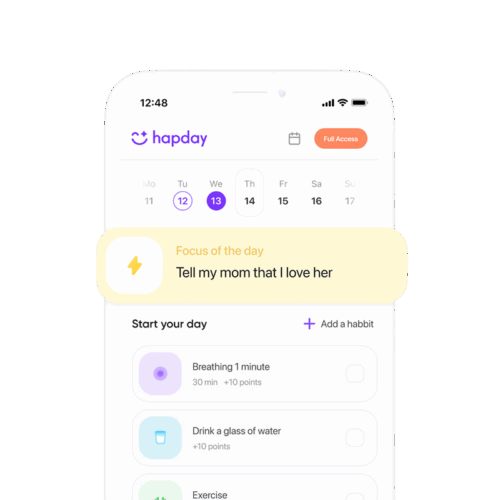
Adding technology to the mix—meditation apps, mood trackers—can act as personal coaches. Track your emotions, sleep patterns, or meditation sessions to piece together how various factors shape your mood and stress levels over time.
Closing Reflection
Self-awareness offers a path to profound personal growth, one deeply personal yet universally impactful. As you tread this introspective path, be patient with yourself, and cherish the voyage. You hold the power to dramatically transform your life, infusing your days with intention and clarity.
By embracing self-awareness, you’re tuning into more than today’s needs. You’re crafting the masterpiece of your future self. Whether it starts with a run, a journal entry, or a moment of stillness, take that crucial step. The road may wind and twist, but with self-awareness lighting the way, you’re heading toward your truest and most authentic life.
Key Takeaways
- Self-awareness enhances personal growth by allowing individuals to understand their thoughts, emotions, and values.
- Practices like mindfulness meditation and journaling can significantly improve self-awareness.
- Constructive feedback from trusted sources can reveal blind spots in one’s self-perception.
- Emotional intelligence is intertwined with self-awareness and is essential for building strong relationships.
- Technology can support the journey of self-awareness through tracking and reflective tools.
The Bottom Line
Self-awareness isn’t just a concept; it’s a transformative journey that cultivates emotional clarity and intentional living. By committing to this path, you can reshape your interactions, enhance your decisions, and ultimately lead a more fulfilled life.
Join 1.5M+ people using Hapday’s AI-powered tools for better mental health, habits, and happiness. 90% of users report positive changes in 2 weeks.