



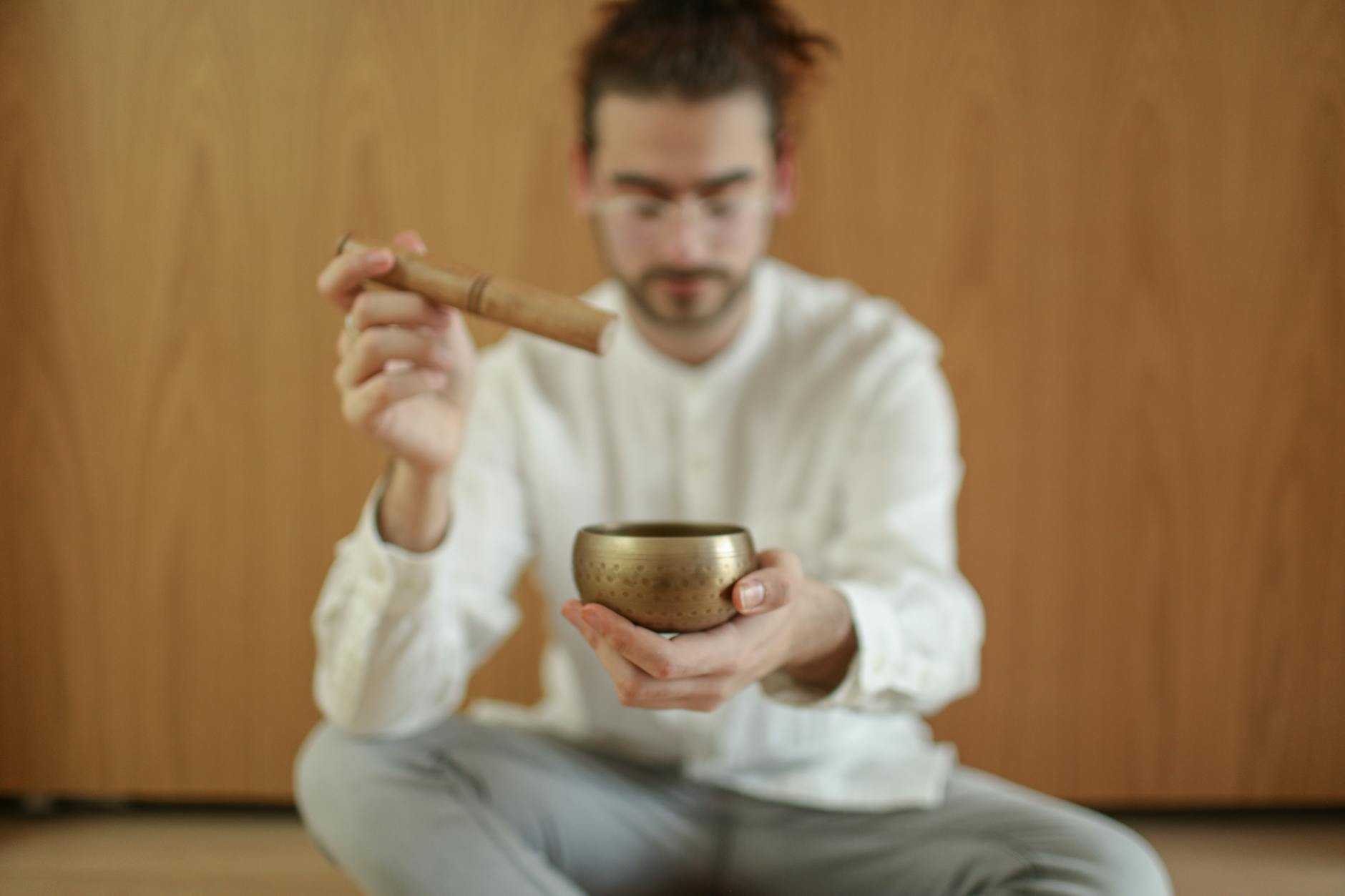
Self-Care: The Art of Crafting a Daily Ritual
Table of Contents
- Understanding the Importance of Self-Care
- The Science Behind Self-Care
- Designing Your Self-Care Routine: A Science-Backed Approach
- 1. Begin with Mindful Mornings
- 2. Nourish Your Body with Intent
- 3. Move for Joy, Not Just Fitness
- 4. Digital Detox: Disconnect to Reconnect
- 5. Cultivate Restful Sleep Rituals
- 6. Practice Emotional Check-Ins
- 7. Seek Connection Through Community
- Building Lasting Habits
- Empowering Forward: Embrace Your Self-Care Journey
- The Bottom Line
Key Takeaways
- Self-care is essential for mental, emotional, and physical well-being.
- Mindfulness and intentionality play crucial roles in effective self-care rituals.
- Regular self-care practices can enhance resilience and reduce stress levels.
- Building a self-care routine requires patience and small incremental changes.
Understanding the Importance of Self-Care
Before unraveling the “how,” perhaps it’s crucial to navigate the “why.” Engaging in self-care extends well beyond the clichéd image of bubble baths and aromatic candles. It represents a holistic commitment—an intentional practice—to cultivate a loving relationship with oneself physically, emotionally, and mentally. The American Psychological Association argues that self-care acts as a sturdy barrier against stress and burnout. Ask yourself: isn’t it time to fortify such a barrier in your own life?
The Science Behind Self-Care
“Self-care is not indulgence; it’s a discipline.”
— Dr. Sarah Chen, Clinical Psychologist at NYU
“It roots you in the present moment, reduces stress hormones—cortisol, namely—and boosts mood-enhancing neurotransmitters like serotonin.” A sentiment echoed by many, isn’t it? Regular self-care has been shown to dramatically dial down stress and amplify psychological resilience, according to insights from the National Institute of Mental Health. Adopting a routine allows these benefits to compound over time, fostering enduring mental well-being.
Designing Your Self-Care Routine: A Science-Backed Approach
1. Begin with Mindful Mornings
Imagine welcoming each day not as a chaotic squall but as a serene practice. Maya, 28, gleaned this insight after navigating the lonely waters of a divorce. Her wise therapist nudged her to start each morning with a gratitude journal. “It redirected my attention from loss to abundance,” she confided, her eyes gleaming with newfound understanding.
Why It Works: Mindfulness helps soothe the nervous system and gently cues a positive start. Research from Harvard University has shown mindfulness can fine-tune emotional regulation and heighten responses to positivity. Isn’t that a gentle reminder… each sunrise is a blank slate?
How to Integrate: Take the first ten minutes post-awakening for deep, tranquil breaths or to scribble down three thankfulness sentiments. It’s simple, yet profound—a whisper that each dawn offers new beginnings.
2. Nourish Your Body with Intent
All too frequently, we operate on auto-pilot when fueling our bodies, leading to energy dips and emotional lows. By consciously selecting our sustenance, we acknowledge—respect—our bodies, the vessels that journey us through each day.
Why It Works: As per a study appearing in the Nutritional Neuroscience journal, diets rich in fruits, veggies, and whole grains enhance emotional wellness and lessen anxiety and depression symptoms. Are we paying enough attention to what truly fuels us?
How to Integrate: Design meals around wholesome, nutrient-rich options. Relish each bite—let meals transform into meditative nourishment sessions.
3. Move for Joy, Not Just Fitness
Exercise—a chore? Not necessarily. It should enliven the senses, rejuvenate the spirit. This flexible self-care element honors what your body craves.
Why It Works: Physical activity stimulates endorphins—those feel-good brain chemicals—and dials down stress hormones. In reporting, the Mayo Clinic highlights how just 150 minutes of moderate weekly exercise can noticeably lift mood.
How to Integrate: Embrace activities you enjoy—whether it’s dancing, yoga, or hiking. Stay attuned to your body’s joy instead of merely calorie counting.
4. Digital Detox: Disconnect to Reconnect
Screen-dominated eras drown us in digital noise, fragmenting attention and taxing emotional health. Ever feel like just switching off?
Why It Works: The Journal of Social and Clinical Psychology unveiled that scaling back social media use can boost well-being and curb loneliness and FOMO—the dreaded fear of missing out.
How to Integrate: Create screen-free windows in your day. Spend this time interacting with nature, exploring a hobby, or cherishing moments with loved ones.
5. Cultivate Restful Sleep Rituals
Peaceful sleep—pillar of thriving physical and mental health—yet so elusive for many. Why is it often the first thing we sacrifice?
Why It Works: The National Sleep Foundation underscores sleep’s pivotal role in strengthening memory, regulating emotions, and bolstering immunity.
How to Integrate: Craft a soothing evening routine. Dim lights an hour before bed, disconnect from screens, and perhaps soak in a warm bath or sip calming herbal tea.
6. Practice Emotional Check-Ins
Taking time to acknowledge and honor your emotions breeds self-compassion. Emotional awareness roots the bedrock of mental fortitude.
Why It Works: Practices tied to emotional regulation can markedly curb symptoms of depression and anxiety, notes the National Institute of Mental Health.
How to Integrate: Reserve five minutes nightly to journal your emotional landscape, unearthing gratitude for blissful moments and showing compassion for yourself amid storms.
7. Seek Connection Through Community
Human nature thrives on connection—such bonds uplift spirits and provide invaluable succor.
Why It Works: There’s compelling evidence linking meaningful connections to heightened happiness and life satisfaction, according to Harvard University’s Center for Health and Happiness.
How to Integrate: Whether through clubs, volunteerism, or rekindling old friendships, weave social connections into your routine. Quality over quantity—seek depth in your interactions.
Building Lasting Habits
Crafting a self-care routine isn’t a sprint.
“Patience and persistence are key.”
— Dr. Sarah Chen
Start with modest yet meaningful changes, nurturing these foundations. Consider each self-care act a pledge to honor your unique journey and burgeoning potential.
The beauty of self-care? Its fluid grace. It evolves alongside you, meeting you wherever life’s currents whisk you—offering solace and unwavering support.
Empowering Forward: Embrace Your Self-Care Journey
As this exploration draws to a close, envision a life where self-care moments aren’t items to be revealed but sacred retreats—a mindful Savior patchwork, nurturing your complete self.
For those yearning for deeper self-care guidance, consider Hapday AI Life Coach—a steadfast partner offering personalized coaching, habit tracking, and wellness programs. You’re not alone in this journey.
Remember, your path to self-care? A unique mosaic, beautifully aligning with your desires and needs. Embrace this trek with tenderness; it unravels a future where peace walk hand-in-hand with life’s ceaseless symphony.
The Bottom Line
Self-care is not just a trend; it’s an essential practice for nurturing your emotional and physical well-being. By incorporating simple yet effective self-care habits into your daily routine, you can foster resilience, reduce stress, and cultivate a deeper connection with yourself and others. Start small, be consistent, and watch as your life transforms into one of greater balance and joy.
Join 1.5M+ people using Hapday’s AI-powered tools for better mental health, habits, and happiness. 90% of users report positive changes in 2 weeks.