



How to Craft a Self-Care Daily Routine
Table of Contents
- Understanding Your Self-Care Needs
- The Science Behind Self-Care
- Steps to Create Your Self-Care Routine
- Real-World Tips for Practicing Self-Care
- The Role of Social Support
- Overcoming Resistance to Self-Care
- Reflect and Adjust
- Conclusion: Embrace Self-Care as an Ongoing Journey
Understanding Your Self-Care Needs
Take Maya, for instance. At 28, she found herself wading through the turbulent waters of post-divorce life.
“I spent too long neglecting my own needs,”
— Maya
a sentiment many of us can relate to. During this period, Maya realized rediscovering herself was the first step forward.
Does self-care mean opulent spa retreats or extravagant escapism? Hardly. It’s about finding what genuinely feeds your spirit.
“Self-awareness and deliberate action form the crux of self-care.”
— Dr. Sarah Chen, Clinical Psychologist
This journey to identify viable self-care practices starts with recognizing personal needs and limitations. After all, what nourishes Maya may not necessarily be what feeds you.
The Science Behind Self-Care
Why does self-care have such importance in our life, especially amid the relentless pace of modern existence? It’s a fair question, tethered to our inherent psychological makeup. Back in 2021, findings by a well-regarded study from Harvard suggested that our stress response—fight or flight—can be tempered by consistent self-care rituals that encourage mindfulness and relaxation.
This sacred act of self-attention engages the parasympathetic nervous system, ushering calm into a world too often tinged with anxiety. It reduces cortisol, and you, in essence, feel… better. It’s an internal shift, one that subtly yet powerfully alters your mood.
Steps to Create Your Self-Care Routine
1. Start with Reflection
Reflecting on the things that sap your energy or bring it back is foundational. Try journaling—a simple, grounding act. Spend a week noting when you feel uplifted or drained. Maybe a morning walk fuels your spirit, while social obligations exhaust you. Insightful reflections like these can act as guideposts.
2. Prioritize Key Areas
Tailor self-care to your unique life. Focus deeply on areas like physical, emotional, and mental well-being. This isn’t one-size-fits-all. Physical self-care might mean moving more, savoring nutritious meals, and resting well. Emotional self-care? It could involve cultivating healthy ties or setting firm boundaries. For your mental health, maybe it’s through meditation or hobbies that require focus—each a sort of mental oasis.
3. Integration into Daily Routine
“Start small with self-care. Think micro-routines.”
— Dr. Sarah Chen, Clinical Psychologist
Perhaps this means meditating briefly at lunchtime, reading a couple of pages before dozing off, or a quick evening reflection.
After much experimenting, Maya found her peace in morning yoga and evening journaling.
“It’s not optional for me,”
— Maya
transformed by the power of routine.
Real-World Tips for Practicing Self-Care
A few strategies might assist in infusing these small moments into your day:
- Mindful Mornings: Initiating your day with mindfulness can craft a positive tone. Simple acts—deep breathing, enjoying a leisurely cup of herbal tea, or setting optimistic goals—can steer your morning compass.
- Digital Detox: Reducing screen exposure, especially on social media, can dramatically improve mental wellness. The American Psychological Association reported that excessive social media could heighten anxiety. Surprised? You shouldn’t be.
- Nature Connection: Mother Nature, the age-old stress antidote. In a Harvard-led study, at least 120 minutes weekly in natural surroundings was linked to improved health and joy. Imagine integrating a brief walk outside every day.
- Boundaries Matter: Establishing, then respecting personal boundaries is crucial. It isn’t about exclusion but safeguarding time and energy for that which truly elevates you.
The Role of Social Support
True self-care doesn’t occur in isolation. Surround yourself with family, friends, or communities that lift your spirits. Studies show that social connection enhances resistance to stress, even boosts physical health. Seek those who inspire and support—not detract from—your well-being.
Overcoming Resistance to Self-Care
Ah, resistance. Easy to understand, yet tricky to overcome—whether guilt, a lack of time, or viewing self-care as indulgent. A mindset shift might be essential here.
“Think of self-care as a necessity, not frivolity. It’s like hunger or sleep.”
— Dr. Sarah Chen, Clinical Psychologist
Real-life perspective could help. Like Maya, who reframed self-care as respect, not extravagance. That perspective shifted, and so did her life.
Reflect and Adjust
Self-care isn’t etched in stone. The process that nourishes today may not serve tomorrow. By revisiting your practices periodically, you adapt to life’s evolving narrative. Reflection helps evaluate what’s beneficial and reveals areas craving change.
Maya found wisdom in adapting.
“What worked for me before wasn’t relevant post-promotion,”
— Maya
Adjustments meant staying pertinent and refreshed.
Conclusion: Embrace Self-Care as an Ongoing Journey
Dusk descends, embracing your surroundings in calm hues—a gentle reminder that every small act of care is a story, a vivid portrayal of what matters: you. Self-care isn’t just an action. It’s dialogue with oneself—a promise to guard your well-being.
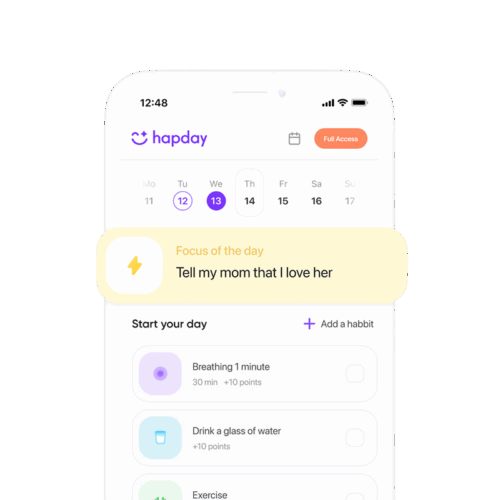
You wield the ability to turn weariness into renewal, making self-care an evolving work of art echoing your needs. If you’re inspired to dive deeper, consider embracing supportive tech. Hapday AI Life Coach provides 24/7 guidance and wellness programs uniquely tailored for you. Consider taking one step to embrace a harmonized, fulfilling life.
Key Takeaways
- Understanding personal self-care needs is essential for creating a meaningful routine.
- Self-care should be viewed as necessary, not indulgent, to combat stress and improve overall well-being.
- Small, consistent practices can lead to significant improvements in mental health.
- Social support enhances the effectiveness of self-care strategies.
- Regular reflections and adjustments to your self-care routine are key to maintaining balance in life.
The Bottom Line
Establishing a self-care routine is essential for emotional and mental well-being. By being intentional about your practices and remaining adaptable, you can navigate life’s challenges with resilience and grace.
Remember to cherish your own needs and prioritize self-care as an integral aspect of a fulfilling life.
References available from:
- Harvard Health Publishing
- American Psychological Association
- Harvard University
Join 1.5M+ people using Hapday’s AI-powered tools for better mental health, habits, and happiness. 90% of users report positive changes in 2 weeks.