



How to Enhance Your Emotional Wellbeing Daily
Table of Contents
- The Modern Emotional Challenge
- Understanding Emotional Wellbeing
- Why Prioritizing Emotional Wellbeing Matters
- Grounding Techniques to Start Your Day
- Begin with Gratitude
- Embrace Mindfulness and Meditation
- Connect with Nature
- Cultivate Meaningful Connections
- Engaging in Physical Activity
- Release Emotions Through Journaling
- Nurture Self-Compassion
- Sleep as a Pillar of Emotional Health
- The Bottom Line
Key Takeaways
- Emotional wellbeing requires mindful recognition and engagement with our emotions.
- Practicing gratitude and mindfulness can significantly enhance emotional health.
- Connecting with nature and fostering social relationships buffer against stress.
- Regular physical activity and journaling are essential for clarity and emotional release.
- Prioritizing sleep is crucial for regulating mood and reducing stress levels.
Morning light spills through the window, flickering against the walls in a familiar dance as you savor the scent of freshly brewed coffee. Even on this tranquil August morning, a sense of anxiety clings to you, a silent companion. In a world that demands endlessly, how do you carve out a space for emotional wellbeing? Let’s face it, mastering emotional balance is an art — a blend of deliberate practice and mindful recognition.
The Modern Emotional Challenge
Imagine Maya. Just 28 and fresh from a painful breakup, she finds herself adrift, caught between the demands of her digital marketing career and the haunting echoes of what once was. Sound familiar? Many of us walk a tightrope, balancing workplace pressure with personal endeavors—all while wrestling with private heartaches.
Remember when folks said younger generations have it easy? Well, a report by the American Psychological Association noted stress levels in young adults have surged over 30% since 2010. A wake-up call, perhaps, for us to reclaim our emotional health.
Understanding Emotional Wellbeing
Emotional wellbeing isn’t about banishing distress altogether.
“It’s about recognizing our emotions with mindful awareness and engaging with them productively. Finding joy amid challenges builds resilience.”
— Dr. Sarah Chen, NYU
Begin your day with these micro-routines—small steps towards enduring emotional health. Ever tried adding a daily ritual?
Why Prioritizing Emotional Wellbeing Matters
Now, we’ve all heard the stats. Our emotions don’t just influence how we feel—they impact physical health too. The NIH warns that ongoing emotional stress can breed serious conditions like heart issues and diabetes. That makes everyday emotional care not just beneficial, but essential.
Grounding Techniques to Start Your Day
Begin with Gratitude
Ever wake up thankful? It’s a game-changer. A piece in the Journal of Positive Psychology points to big perks: practicing gratitude can ramp up your wellbeing and lower depression. Try it: each morning, jot down a trio of things you’re grateful for. Maybe it’s the quiet comfort of your blanket, or just the melody of birds outside. Simple, yet profound.
Embrace Mindfulness and Meditation
Why It Works
“Focusing purposefully on the present without judgment is the heart of mindfulness.”
— Dr. Jon Kabat-Zinn
It strips away the chaos, offering clarity and reducing stress. You know, it’s amazing how it can clear the mental fog.
How to Practice
Set aside five minutes daily for meditation. Find your quiet nook, sit comfortably, and breathe. As thoughts flutter by, acknowledge them, then gently return to your breath. This practice ferries you to a place of calm, better readying you for life’s hustle.
Connect with Nature
Imagine strolling through a vibrant park at midday. The rejuvenation is palpable. Harvard tells us being amidst nature soothes the mind—dropping stress hormones and lifting spirits. Real? Absolutely. Your senses come alive in the greenery, a refreshing break from the digital din.
How to Incorporate
Carve out just 15 minutes for a walk in a nearby park. Let the sights and sounds wash over you. It’s more than just a walk—it’s a creative recharge and mood booster rolled into one.
Cultivate Meaningful Connections
Social ties, on the surface, might seem trivial. Yet, remember those nights when a friend’s laughter banished your blues? Social support is a balm, buffering against stress.
Science Insights
A landmark study by Harvard Medical School reminds us: robust social relationships lead to longer, healthier lives. Think about it—doesn’t that morning coffee with a friend leave you feeling buoyed?
How to Foster Connections
Busy schedules often sideline relationships. But, prioritize. Whether a call with mom or a brunch with pals, these moments weave into the fabric of emotional support.
Engaging in Physical Activity
Exercise frames the day. Those endorphins—nature’s mood lifters—are released, leaving you buoyant.
Science Backing
The Mayo Clinic backs this: exercise tempers anxiety and boosts mood effortlessly.
Incorporating Exercise
Whatever suits you—be it yoga or dancing—slot it into your day. Even a short, brisk 20-minute movement transforms your outlook immensely.
Release Emotions Through Journaling
When words desert you in conversations, journaling steps in. A sanctuary for emotions, it’s a path to clarity.
Why It Works
Penning down thoughts offers a release valve, unveiling stress patterns and creating room for change.
How to Start
In the day’s quiet close, write. Let your mind spill onto paper, unburdened by grammar. It’s surprising how much it clarifies.
Nurture Self-Compassion
In life’s storms, treat yourself like a cherished friend.
Understanding Self-Compassion
“Recognize our shared humanity and tether kindness to ourselves, especially amidst suffering.”
— Dr. Kristin Neff
Her research shows how it breeds resilience and joy.
Practicing Self-Compassion
When slipping up, recall: we’re human, we err. Offer encouragement over critique, fostering a nurturing internal dialogue.
Sleep as a Pillar of Emotional Health
Sleep—often neglected—holds sway over emotions. During sleep, the body mends, prepping us for the new day.
Research Insights
The CDC underscores the link: insufficient sleep heightens stress, muddles mood, and decision-making. Prioritize rest, they urge.
Prioritizing Sleep
Forge a bedtime ritual. Ditch screens an hour pre-sleep and engage in calming activities. An evening read, perhaps? Such consistency strengthens emotional armor.
The Bottom Line
Nurturing your emotional wellbeing is a tapestry of small but intentional actions. Making that transition is no race—it’s a journey interwoven with mindful choices and cherished connections. Each day’s habits and thoughts lay the foundation for lasting emotional health.
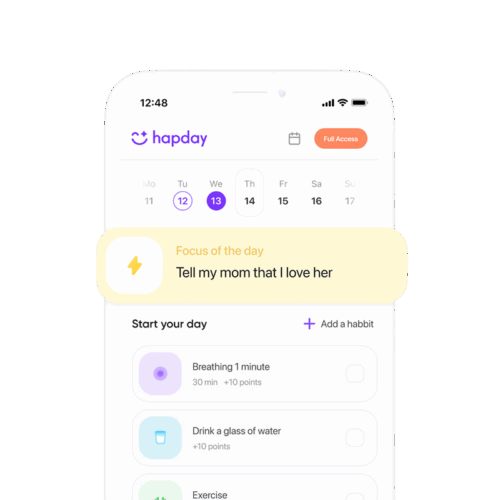
Empower yourself with tools like the Hapday AI Life Coach, providing tailored strategies and around-the-clock guidance for your emotional voyage. Discover more.
By welcoming these practices into your life, you’re making a potent commitment to your mind’s health, one that radiates benefits throughout your existence. It’s a choice, a step towards wellbeing that you absolutely deserve—embrace it with heartfelt kindness and resolve.
Join 1.5M+ people using Hapday’s AI-powered tools for better mental health, habits, and happiness. 90% of users report positive changes in 2 weeks.