



Finding Calm Amidst the Chaos: A Practical Guide to Nurturing Emotional Wellbeing
Table of Contents
- 1. Practice Mindful Breathing
- 2. Embrace Gratitude Journaling
- 3. Connect with Nature Daily
- 4. Limit Social Media Intake
- 5. Foster Positive Connections
- 6. Engage in Physical Activity
- 7. Practice Self-Compassion
- 8. Pursue Creative Hobbies
- 9. Establish a Sleep Routine
- 10. Meditate Regularly
- Moving Forward
Key Takeaways
- Incorporating small daily practices can significantly enhance emotional wellbeing.
- Mindful breathing and gratitude journaling are powerful tools for finding peace.
- Regular physical activity and establishing a sleep routine improve mood and resilience.
- Connecting with nature and fostering positive relationships contribute to emotional balance.
- Practicing self-compassion and pursuing creative hobbies can aid in self-growth.
When life feels like a relentless whirlwind of duties, deadlines, and emotions, finding peace might seem elusive. Picture this: you’re stepping off a crowded commuter train, clutching your coffee as the rain seeps through your umbrella—emails piling up and your phone buzzing ceaselessly. In such chaotic moments, it’s natural to pause and wonder, “How do I find calm amidst all this chaos?”
You’re not alone in this scenario. Take Maya, 28, for instance. Navigating a painful divorce while juggling a demanding career seemed like an endless storm. She confided,
“I just didn’t know how to begin to feel better each day.”
— Maya, 28
. The journey toward enhancing one’s emotional wellbeing often starts not with sweeping life changes, but small, daily practices. Let’s delve into a practical guide to nurturing emotional balance, focusing on strategies that can be seamlessly integrated into your hectic schedules.
1. Practice Mindful Breathing
Breathing—it’s both mundane and extraordinary. We do it instinctively, but bring mindfulness into the equation, and you unveil a powerful tool for tranquility. Dr. Sarah Chen, a clinical psychologist at NYU, explains,
“Mindful breathing harnesses the power to slow your heart rate and calm your mind. It anchors you in the present.”
— Dr. Sarah Chen, Clinical Psychologist
Can something so simple truly foster calm? Absolutely.
- Why It Works: Mindful breathing taps into the parasympathetic nervous system, encouraging relaxation and curtailing stress hormones. This isn’t just hearsay but backed by research from the Annals of the New York Academy of Sciences.
- How To Do It: Engage in a simple exercise: inhale deeply for four counts, hold for four, then exhale for six. Repeat for a few minutes, focusing solely on your breath. Use this technique whenever stress rears its head—maybe even as you glance up from your desk.
2. Embrace Gratitude Journaling
In our rushed lives, the small joys often slip through the cracks. Yet, writing them down shifts your focus to positivity. Harvard Medical School research indicates a strong correlation between gratitude and greater happiness. Can scribbling in a journal really uplift your mood? It’s worth trying!
- Why It Works: Gratitude journaling rewires your brain to easily recognize positive experiences, reducing stress and encouraging emotional resilience by stimulating those delightful “feel-good” neurotransmitters, dopamine and serotonin.
- How To Do It: Each evening, jot down three things you’re thankful for. Be specific—whether it’s a friend’s kindness, the cozy warmth of your home, or an unexpected compliment. Over time, this reflection can transform your outlook, like adding brightness to a muted day.
3. Connect with Nature Daily
When was the last time you truly soaked in the beauty of a blooming flower or listened to the rustling leaves? Nature offers a rejuvenating escape, free of charge. The University of Exeter found that spending just two hours a week in green spaces significantly enhances wellbeing. Do we need any more reasons to step outside?
- Why It Works: Nature lowers anger, fear, and stress while increasing pleasant feelings. Plus, it’s known to reduce blood pressure, heart rate, muscle tension, and stress hormone production.
- How To Do It: Integrate short walks into your routine or find a local park for lunchtime refreshment. Leave your phone behind and engage your senses—smell the air, listen to the rustle of leaves, and feel the breeze.
4. Limit Social Media Intake
Endless scrolling through feeds of curated perfection can easily induce inadequacy and anxiety. Have you felt it too? That sinking feeling when comparing your behind-the-scenes to someone else’s highlight reel?
- Why It Works: The American Psychological Association links high social media use to increased anxiety and depression. Yet, you wield the power to reverse these effects by taking control.
- How To Do It: Set daily limits on each app. Both Apple and Android phones allow you to monitor usage and set boundaries. Invest the regained time in activities that truly fulfill and nourish you.
5. Foster Positive Connections
Human connections form a cornerstone of emotional wellbeing. When Maya felt isolated post-divorce, reconnecting with old friends rekindled her spirit.
“It reminded me I’m not alone,” she said—simple yet profoundly meaningful.
— Maya, 28
- Why It Works: Engaging with others releases oxytocin, known as the “bonding hormone,” which counteracts stress and boosts happiness. Dr. John Cacioppo, a pioneer in social neuroscience, could tell you more.
- How To Do It: Allocate time for regular phone calls or meet-ups. Be present, show genuine interest, and listen. Joining local community groups or classes might also spark new friendships—and who knows what those connections could bring?
6. Engage in Physical Activity
Exercise isn’t just about physical health; it’s a significant mood enhancer. Maya discovered this when she began running despite initial reluctance—gradually noticing her mental clarity improving.
- Why It Works: Beyond endorphins, exercise increases brain sensitivity for serotonin and norepinephrine, alleviating depressive feelings. The Centers for Disease Control and Prevention support these findings.
- How To Do It: Choose activities you enjoy—be it yoga, dancing, or a daily brisk walk. Start with 20-minute sessions, gradually increasing as comfort grows. Who knew exercise could be this fulfilling?
7. Practice Self-Compassion
We’re often our own harshest critics. Self-compassion means treating yourself with the same kindness you’d offer a friend. And quite frankly, who doesn’t need a bit of self-love?
- Why It Works: Dr. Kristin Neff’s research at the University of Texas reveals that self-compassionate individuals exhibit higher emotional resilience and lesser anxiety and depression levels.
- How To Do It: Start by acknowledging your feelings and forgiving yourself for mistakes. Daily affirmations can cement this practice—remind yourself, “I am doing my best” or “I am worthy of love.”
8. Pursue Creative Hobbies
Creative pursuits allow for self-expression and provide an emotional release. Whether through painting, writing, or music, creativity fosters emotional growth and self-awareness.
- Why It Works: The American Journal of Public Health concludes that creative activities can alleviate stress and depression symptoms. Engaging creatively could be more therapeutic than you think.
- How To Do It: Dedicate time weekly to a creative pursuit. Allow experimentation without striving for perfection. Sharing creations with others can also build a supportive community.
9. Establish a Sleep Routine
Quality slumber is fundamental to emotional health. When sleep-deprived, emotions become harder to regulate, and stress responses amplify.
- Why It Works: Sleep bolsters emotional regulation by enhancing brain activity in regions managing balance, Sleep Foundation research suggests.
- How To Do It: Create a calming bedtime ritual—dim lights, stretch, or meditate before sleep. Aim for 7-9 hours of shut-eye and keep a regular sleep schedule.
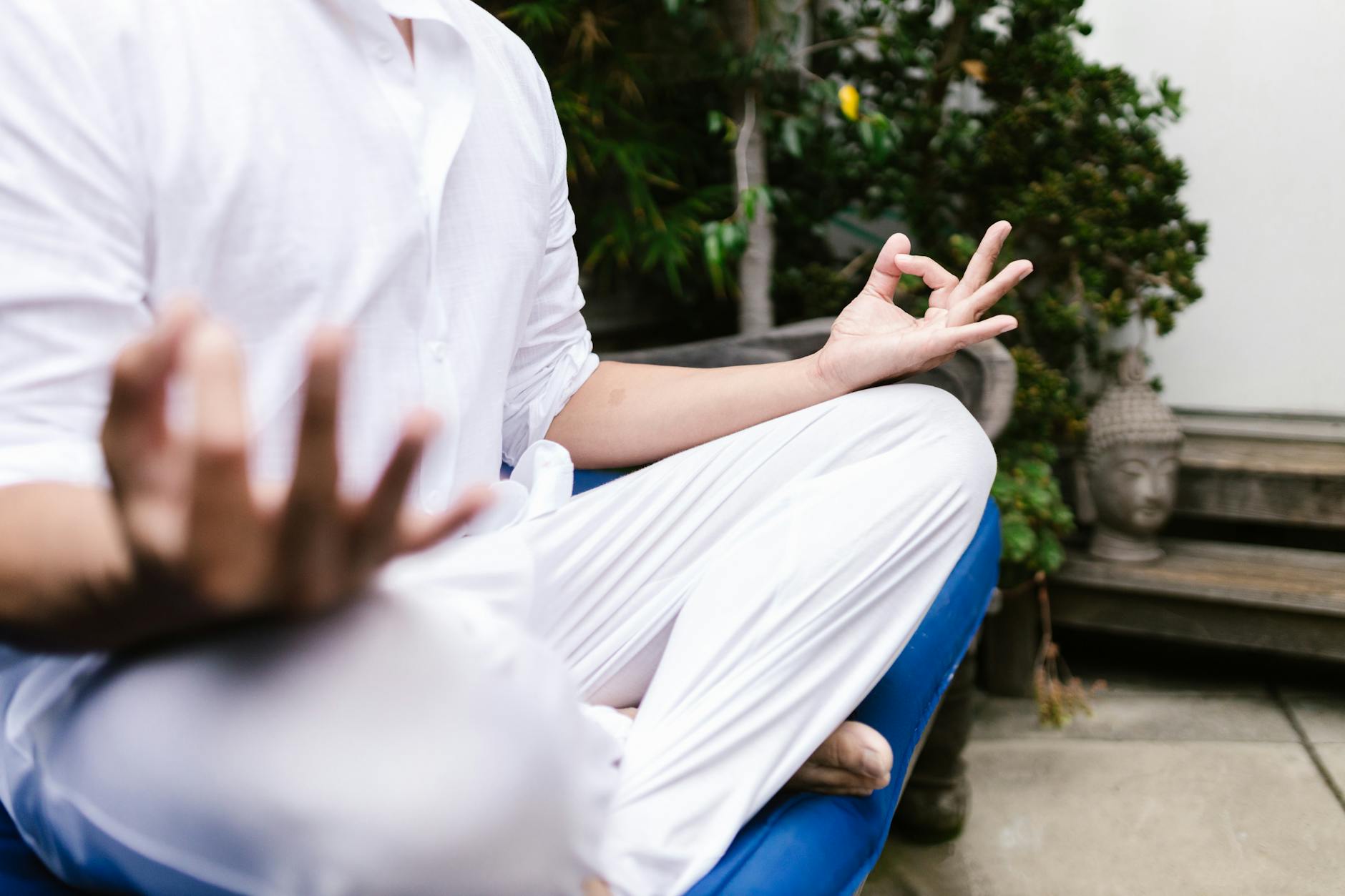
10. Meditate Regularly
Meditation, long valued for its spiritual benefits, is equally potent for emotional health. It fosters an awareness of thoughts and emotions, promoting patience and empathy for yourself and others.
- Why It Works: Meditation alters the brain structure related to focus and calming, thereby diminishing stress and anxiety. Johns Hopkins University research provides ample evidence.
- How To Do It: Begin with guided meditation apps or classes. Even a few minutes daily can yield substantial benefits. Focus on your breath or surroundings during these sessions.
Moving Forward
Feeling overwhelmed needn’t be the status quo. By incorporating practices like mindful breathing, gratitude journaling, connecting with nature, and others into your daily routine, you’re crafting a sanctuary of emotional wellbeing. Small steps can lead to profound change. You deserve to feel balanced, calm, and joyful.
Remember, enhancing your emotional wellbeing is an ongoing journey. It demands kindness, patience, and consistent nurturing. If Maya found her peace, so can you.
The Bottom Line
Incorporating small, everyday practices can make a significant difference in your emotional health. Each step you take toward nurturing your wellbeing is a step toward a more balanced and joyful life.
References:
- Annals of the New York Academy of Sciences
- Harvard Medical School
- University of Exeter
- American Psychological Association
- Centers for Disease Control and Prevention
- Sleep Foundation
- Self-Compassion by Kristin Neff
- American Journal of Public Health
- Johns Hopkins Medicine
Join 1.5M+ people using Hapday’s AI-powered tools for better mental health, habits, and happiness. 90% of users report positive changes in 2 weeks.