


Mindfulness for Beginners: Techniques for Inner Calm
Table of Contents
- Unpacking Mindfulness
- The Why Behind Mindfulness
- Mindfulness Techniques for Beginners
- Cultivating a Mindful Routine
- Overcoming Hurdles
- What’s Next?
- Closing Thoughts
Key Takeaways
- Mindfulness is an adaptable practice that enhances presence and emotional well-being.
- Simple techniques like breathing awareness and body scan meditation can be easily integrated into daily life.
- Consistent practice fosters resilience and reduces stress.
- Technology, such as mindfulness apps, can provide guidance and support on the journey.
Unpacking Mindfulness
Mindfulness? It’s about anchoring yourself in the present, setting judgment aside. Engage wholeheartedly, whether you’re savoring a meal, taking a stroll, or experiencing the quiet rhythm of your own breath. A revealing insight from a Harvard study suggests that mindfulness enhances focus, diminishes stress, and can significantly uplift emotional well-being.
Take Maya, for instance. She’s a spirited 28-year-old in marketing who found herself amidst a maelstrom during her divorce. For Maya, mindfulness became a beacon.
“Just five minutes a day… it turned into my retreat.”
— Maya, Marketing Professional
The Why Behind Mindfulness
Let’s talk brain stuff. Mindfulness is more than a trend; it fosters real neurological changes. Dr. Susan Smalley from UCLA articulates how it amplifies gray matter density in regions associated with learning, memory, and emotional control. This isn’t just about feeling better — it’s about handling life’s challenges with resilience and grace.
- Less Stress: How about a study from Psychosomatic Medicine that correlates mindfulness with reduced cortisol levels, the stress hormone we’re all too familiar with?
- Sharper Focus and Memory: Mindfulness isn’t just for gurus; it’s for those looking to enhance cognitive flexibility and memory retention.
- Better Emotional Health: According to the American Psychological Association, mindfulness can be a balm for depressive symptoms and anxiety. Sure sounds appealing, doesn’t it?
Mindfulness Techniques for Beginners
1. Breathing Awareness
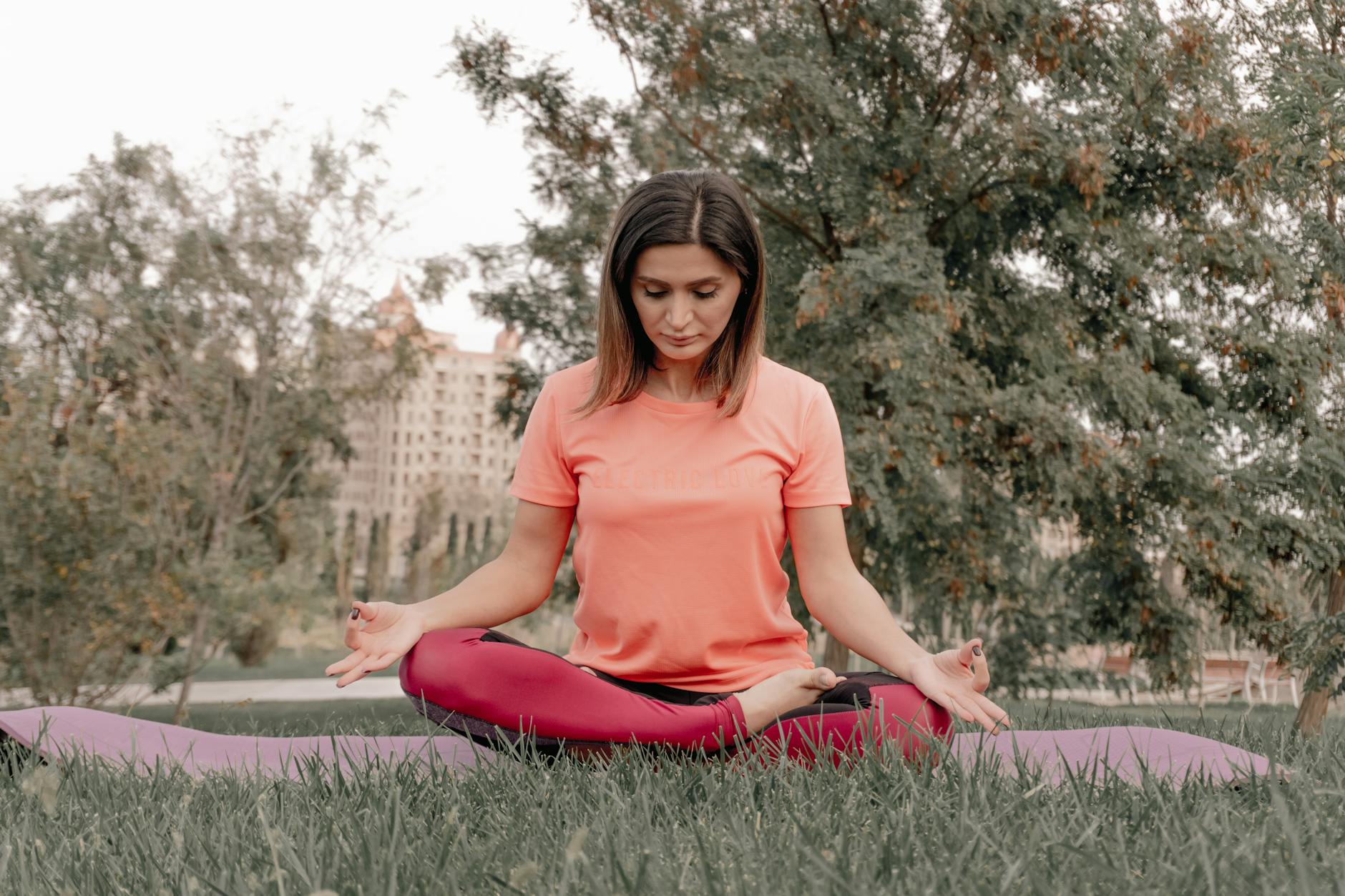
Start simple — your breath. Find a serene corner, settle in, and just close your eyes. Concentrate on the soft flow of air in and out.
“Your breath is a bridge to the now.”
— Dr. Sarah Chen, NYU
Why it works: Focusing on breath doesn’t just soothe; it speaks to the nervous system, urging it to relax.
How to dive in: Commit to a mere 5 minutes daily. Soon enough, this practice nudges its way into various corners of your day, promoting mindful living.
2. Body Scan Meditation
Embark on an inward journey, scanning from head to toe. This meditative practice helps you attune to physical sensations, spotlighting areas harboring unnoticed tension.
Why it works: Acceptance without alteration — it’s about embracing your body’s present state.
How to participate: Recline comfortably. Shut your eyes and drift your attention footward to the crown. Feel something? Acknowledge it, then let it be.
3. Mindful Eating
Try this tweak on dining. Instead of rushing through meals or juggling distractions, zero in on the flavors, the textures, the aroma of your meal.
Why it works: Believe it or not, tuning into your meal can heighten enjoyment and even curb overeating, fostering a healthier relationship with food.
How to engage: Spend the first five minutes of your meals fully engaged. Savor each bite, unplugged from digital tethers.
Cultivating a Mindful Routine
Consistency is key. Start small; it’ll soon be an integral part of your lifestyle. Worried about time? Once you taste the tranquility, these minutes become non-negotiable treasures.
Mindful Walking
Transform your strolls into something transformative. Feel each step, notice the texture beneath your feet, the world around you.
Why it works: A simple walk becomes a dual exercise, clearing your mind while invigorating your body.
Journaling Your Thoughts
Close your day with a journal. Reflect on thoughts and emotions without judgment. It’s clarity on paper, a mindful dialogue with yourself.
Why it works: Psychologically, it helps refine thoughts and offers a gentle cathartic release.
Overcoming Hurdles
New to mindfulness? Expect some bumps. It’s natural to lose focus. The secret lies in persistence and self-kindness. Every wavering thought, every moment, counts.
When the rush feels insurmountable, reach for tools like guided apps. Rebecca, a diligent 30-year-old nurse, admitted,
“Apps kept me on track, even on my craziest days.”
— Rebecca, Nurse
What’s Next?
See mindfulness as a journey, not a destination. Every small step—like a mindful breath—builds towards a life more vibrant and present.
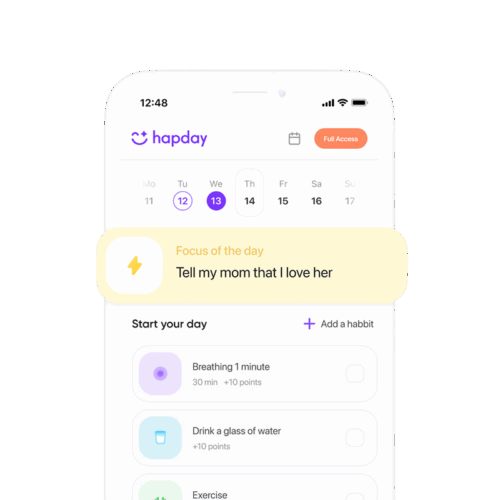
If your interest is piqued and the path calls, technology can lend a hand. Hapday AI Life Coach offers round-the-clock guided sessions and personalized wellness plans straight from your pocket. Curious? Explore the app here: Hapday AI Life Coach.
Closing Thoughts
Mindfulness isn’t a mere practice; it’s a wholehearted embrace of awareness and peace. As you set off on this path, remember: each mindful pause is a stride towards a more serene and centered you.
Dive into the journey, nurture your curiosity, and let mindfulness guide you through both life’s calm and tempests with poise.
The Bottom Line
Mindfulness unravels techniques for calm living. From breathing exercises to mindfulness apps like Hapday, integrating these practices promises to reshape your mental landscape, anchoring tranquility seamlessly into your day-to-day. Ready for mindfulness?
Explore Hapday AI Life Coach.
Join 1.5M+ people using Hapday’s AI-powered tools for better mental health, habits, and happiness. 90% of users report positive changes in 2 weeks.