



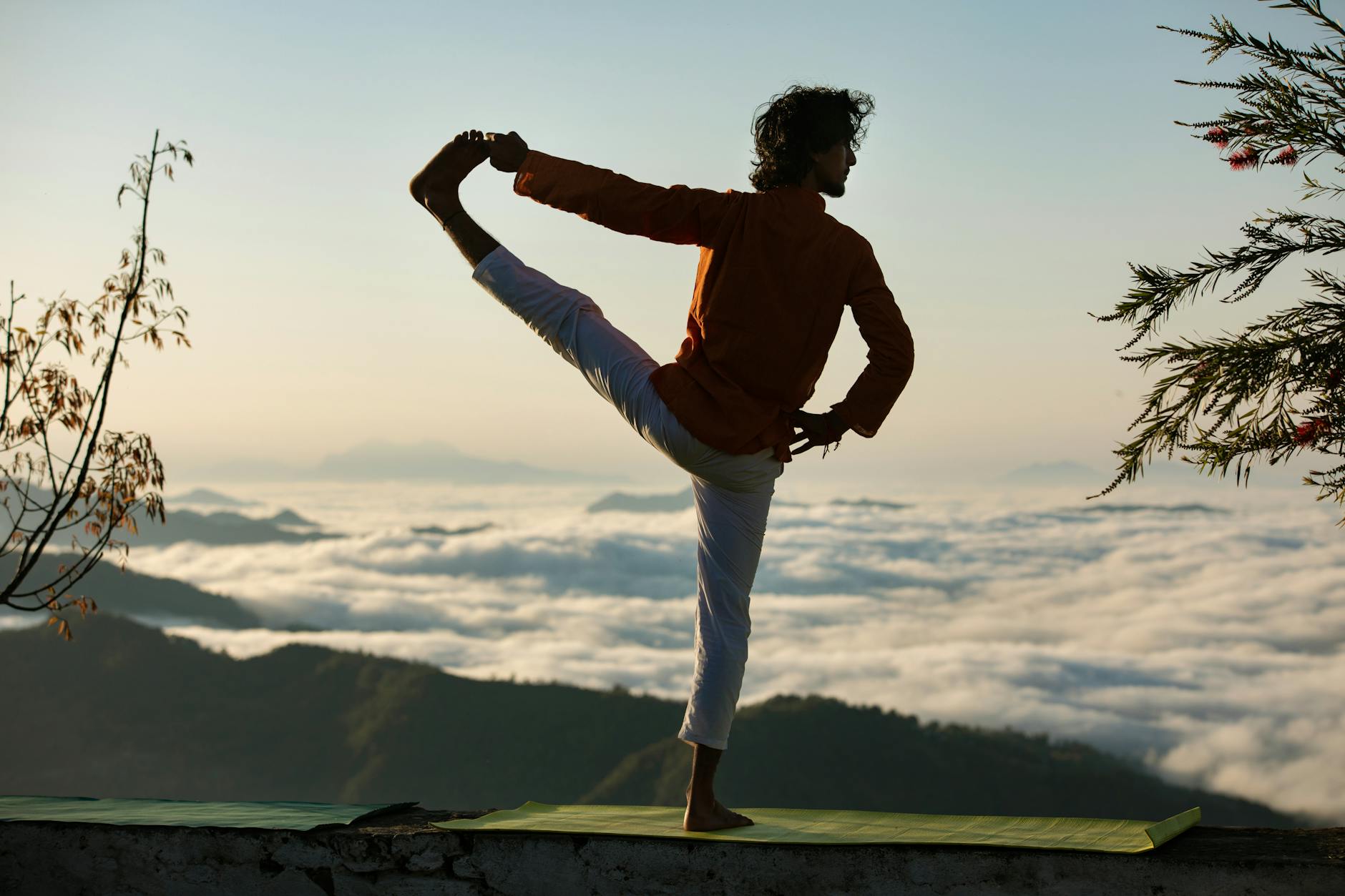
Mindfulness Meditation: Your Path to Calm
The room felt suffocatingly quiet as Emily sat alone on her bed, swathed in a blanket of stress so heavy and relentless, it seemed like her permanent companion. Her mind was a chaotic pinball machine, thoughts ricocheting endlessly with no pause button in sight. Overwhelmed by the demands of her high-stakes job and the everyday pressures of modern life, Emily felt she was drowning in stormy seas with no life raft nearby. Then, in one of her more desperate moments, she stumbled upon an article—mindfulness meditation. This practice, revered for its calming powers, would soon become her lifeline back to a sense of calm she hadn’t felt in months.
Maybe you’ve felt like Emily, swamped by emotions and craving just a sliver of peace amid the chaos of life. You’re not alone. Many, like Emily, are turning to mindfulness meditation as their sanctuary of serenity. Yet, what really is mindfulness meditation, and how can you fold it seamlessly into your everyday life?
Table of Contents
- The Essence of Mindfulness Meditation
- The Daily Mindfulness Advantage
- Crafting Your Mindfulness Routine
- Deepen Your Experience
- Tackling Hurdles Along the Way
- Moving Forward on Your Path
Key Takeaways
- Mindfulness meditation helps reshape your relationship with stress and emotions.
- Daily practice can diminish stress and enhance focus and emotional control.
- Creating a dedicated mindfulness routine can improve your overall well-being.
- Gentle acknowledgment of challenges is key to maintaining a mindfulness practice.
The Essence of Mindfulness Meditation
Mindfulness meditation isn’t just another wellness trend—it’s a practice steeped in ancient traditions, especially within Buddhism. At its heart, mindfulness invites you to notice this moment—your mind, your body—accepting each thought, emotion, every sensation without the burden of judgment.
“Mindfulness means paying attention on purpose, in the present moment, and non-judgmentally, to the unfolding of experience moment by moment.”
— Dr. Jon Kabat-Zinn, Pioneer of Mindfulness in Western Medicine
It’s not about the impossible task of eradicating stress or emotions. It’s about reshaping your relationship with them through the lens of awareness.
Interestingly enough, science is catching up. A 2019 study from the American Psychological Association highlighted its effectiveness in curbing stress, anxiety, and depression. Regular practice causes physical changes in the brain, especially in areas linked to attention, emotional regulation, and self-awareness.
The Daily Mindfulness Advantage
Now you might ponder—why practice mindfulness daily? Imagine a muscle; with regular exercise, it strengthens. Likewise, regular mindfulness can potentially transform your mind. And here’s where the benefits get interesting:
- Diminished Stress and Anxiety: Mindfulness has been shown to reduce the size of the amygdala, the brain’s stress hub, which ushers in a calm state.
- Improved Focus: By anchoring yourself in the present, your attention span lengthens, scattering distractions like leaves in the wind.
- Heightened Emotional Control: Meditation boosts production of serotonin and dopamine, our mood-boosting chemicals, fostering emotional resilience.
- Better Sleep: It quiets the mind’s nightly chatter, the thief of rest, nurturing more restorative slumber.
Crafting Your Mindfulness Routine
You don’t need fancy gear to embrace mindfulness meditation—just a few daily minutes dedicated to self-awareness.
Setting Intentions
Start with intention-setting. It’s not about ticking off goals but nurturing a kind and patient mindset.
“Intentions for mindfulness should prioritize self-care over self-improvement. You’re not striving to be ‘better’—just more present.”
— Dr. Sarah Chen, NYU
Creating a Sanctuary
Carve out a peaceful corner in your home. This isn’t about luxury. A candle or a small plant can personalize the space—avoid the clutter, seek simplicity.
Begin Small
Kick off with just 5-10 minutes. Focus on your breathing. Notice the air moving in and out, the gentle rise and fall of your chest. If your mind wanders, and it will, gently tether your focus back. With practice, it gets easier.
Guided Sessions Can Help
Looking for structure? Plenty of apps offer guided meditation.
“Guided sessions are invaluable, offering direction when the mind is restless.”
— Dr. Emma Wilkinson, Mindful Sciences Research Initiative
Build a Routine
Consistency is vital. Pick the same time each day—whether morning or night—and make it a non-negotiable date with yourself. It’ll naturally weave into your life.
Embrace Patience and Compassion
Mindfulness isn’t a sprint; it’s a marathon. Explore each session with an open heart—a body-aged wine maturing over time.
Deepen Your Experience
- Inject Mindfulness Into Daily Tasks: Transform ordinary moments—walking, eating—into opportunities for mindful presence.
- Body Scan: Scan your body head-to-toe, noting tension and sending gentle breath there. Acknowledge emotions, watch them melt.
- Maintain a Gratitude Journal: Write three things you’re thankful for daily. This pivots your focus toward positivity.
Tackling Hurdles Along the Way
Bringing mindfulness into a busy life isn’t without bumps. Time constraints? Impatience? These are stepping stones, not obstacles.
Time’s Always Tight
Sneak mindfulness between tasks—turn your commute into moments of breath awareness, revel in the sensation of a shower. These micro-practices add up.
Restlessness Will Visit
Restlessness is part of the journey. A gentle smile, acknowledgment, refocusing—these nudge awareness back on track.
Guard Against Self-Judgment
If criticism surfaces, view these thoughts as passing clouds, not truths. Self-compassion is crucial to mindfulness.
Moving Forward on Your Path
Mindfulness isn’t a panacea. It’s a journey, weaving tranquility through life’s chaos. As you step forward, remember: Within lies a safe harbor, always accessible. Emily’s resolve grew with her practice. So can yours. Embrace every moment as refuge from life’s unrelenting pace.
In embracing mindfulness, you begin to reconnect—not with perfection—but with life’s richly textured canvas.
The Bottom Line
Mindfulness meditation is a powerful tool for reclaiming peace and clarity amidst the demands of daily living. By taking small, consistent steps and nurturing your practice, you can cultivate a more present and balanced life.
Embark upon your mindful journey with Hapday AI Life Coach—download now for 24/7 guided sessions, habit tracking, and wellness programs designed to nurture your practice: Hapday AI Life Coach.
References
- American Psychological Association, 2019.
- Mindful Sciences Research Initiative, Related Insights.
- NYU Langone Health, Consulted Experts.
Join 1.5M+ people using Hapday’s AI-powered tools for better mental health, habits, and happiness. 90% of users report positive changes in 2 weeks.