



Emotional Wellbeing: Why It Matters and How to Cultivate It
Table of Contents
- Unraveling Emotional Wellbeing
- The Science at Play
- Real World Consequences
- Daily Practices to Cultivate Emotional Wellbeing
- Sleep’s Role in Wellbeing
- Workplace Wellbeing
- Reevaluate Digital Consumption
- Emotional Wellbeing is a Journey
- The Bottom Line
- References
Key Takeaways
- Emotional wellbeing is essential for overall mental and physical health.
- Practices like mindful breathing and gratitude can significantly boost emotional health.
- Creating a supportive social network is crucial for emotional resilience.
- Adequate sleep and regular exercise contribute greatly to emotional stability.
Unraveling Emotional Wellbeing
We’re not merely talking about happiness here. Emotional wellbeing is a rather intricate tapestry — threads of self-awareness mingle with methods to weather stress and life’s inevitable obstacles. The American Psychological Association highlights it as not just coping with stress but mastering positive emotional management. It’s an anchor for our overall health. After all, how we feel mentally can directly impact our physical state. When was that study? Back in 2021, I think, the APA dove into it.
The Science at Play
Why does this all matter so much? Dive into the brain with me for a second. Neuroscientists reveal that emotional health holds the key to a well-functioning mind. You see, it’s processed in the limbic system — a complex, brainy network.
“When you’re emotionally balanced, your brain operates at peak efficiency, enhancing your ability to make decisions, solve problems, and manage emotions.”
— Dr. Sarah Chen, NYU Clinical Psychology Department
Think of emotional health as your reliable set of brakes. Need it to steer through life’s chaotic streets? Absolutely — no questions there.
Real World Consequences
Consider Maya, a 28-year-old entrenched in a messy divorce. During the lowest of lows, her work focus dipped, and friendships waned. Yet after turning to her therapist, she learned to weave emotional wellbeing into daily life — one tiny thread at a time. Months on, Maya feels more grounded. Lo and behold, her work performance soared, and her social circles didn’t feel so isolating anymore.
Daily Practices to Cultivate Emotional Wellbeing
Here are a few strategies that might just help bolster your emotional health — give them a try.
- Begin with Mindful Breathing: It’s one go-to for boosting emotional health. No equipment needed, just you — breathing in and out. Dr. Chen advises, “Spend five to ten minutes each morning focused on your breath. It doesn’t just calm your mind, but also infuses your brain with much-needed oxygen, lowering stress.”
- The Power of Gratitude: Gratitude often serves as an emotional tonic. Research from Harvard Health shows counting your blessings can boost happiness and satisfaction.
- Physical Activity FTW: Don’t just think fitness — think emotional uplift too! Exercise sparks endorphin release, the brain’s own mood boosters. Remembering the WHO’s advice: at least 150 minutes of moderate exercise weekly, is a good idea.
- Stay Socially Connected: Our emotional fabric thrives in good company. Isolation nourishes negativity, while connection nurtures joy and security.
- Embrace Mindfulness and Meditation: Mindfulness and meditation? They can transform your emotional world. Johns Hopkins research shines a light on how meditation slashes symptoms of stress, anxiety, and even pain.
Sleep’s Role in Wellbeing
Scrimping on sleep? Not great. It’s one of the biggest pitfalls when seeking emotional balance. Experts from the CDC link adequate sleep with heightened mood and stress regulation.
Workplace Wellbeing
Work stress gnaws at us. But weaving emotional wellbeing into your workday is as vital as doing so after hours.
Reevaluate Digital Consumption
Screens — all around us! A digital detox is crucial for emotional health. Excessive screen time spikes stress and overarching anxiety, or so says the NIH.
Emotional Wellbeing is a Journey
Remember, improving emotional wellbeing is about steady progress, not some destination of perfection. It’s a deeply personal venture. Just note this: what serves one person might elude another. That’s perfectly okay!
Embrace your emotions, nurture them, let them guide you towards growth. Every step, however small, shapes a future laced with joy, resilience, and calm. Emotional wellbeing is a commitment, a pact with yourself, fostering a happier, healthier you.
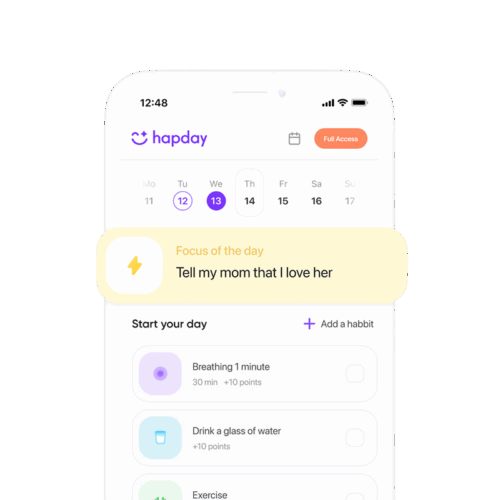
— Take the plunge into the rich world of emotional wellbeing. The journey starts with Hapday AI Life Coach. Explore guided sessions, wellness pathways, and more — a step towards balanced living.
The Bottom Line
Embracing emotional wellbeing is not merely a goal but a way of life. Whether through simple practices or profound changes, nurturing this aspect of ourselves leads to a healthier and happier existence. Every effort counts on this beautiful journey.
References
- American Psychological Association – Emotional Wellbeing Insights
- Harvard Health – Advancements in Gratitude Studies
- WHO – Recommendations on Physical Exercise
- Johns Hopkins – Meditation’s Positive Effects
- CDC – Sleep, Health, and Wellbeing
- NIH – Impact of Screen Time on Mental Health
Join 1.5M+ people using Hapday’s AI-powered tools for better mental health, habits, and happiness. 90% of users report positive changes in 2 weeks.