


Creating a Self-Care Daily Routine: A Sanctuary for Your Soul
Table of Contents
- Caught in Life’s Frenzy
- The Need for Daily Self-Care
- Decoding Self-Care: Beyond the Bubbles
- Foundations: Start Subtly
- Crafting Your Routine: A Gentle Guide
- Adapting and Reshaping: Your Routine
- Navigating Challenges
- Connect & Share
- Final Thoughts: Your Personal Sanctuary
- The Bottom Line
- References
Key Takeaways
- Creating a self-care routine allows you to carve out space for yourself amidst life’s chaos.
- Self-care is not indulgence; it’s essential for emotional regulation and resilience.
- Start subtle—begin with small practices and recognize your needs.
- Stay adaptable as your routine evolves with your lifestyle.
- Including others in your self-care journey can boost motivation and accountability.
Caught in Life’s Frenzy
Take Haley, a relatable 26-year-old data analyst. Her life is a familiar chaos—juggling rush hour, relentless deadlines, and an ever-bulging inbox. Each evening she stumbles home, utterly spent.
“I’m existing, not living,”
— Haley, 26, Data Analyst
If you’re nodding along, you’re far from alone. The American Psychological Association highlights growing stress-related issues among Millennials and Gen Z. Back in 2018, a piece in Stress & Health pointed out that younger adults scored higher on stress markers than their older counterparts. But don’t despair—it’s a call for change (and why not make it fun?).
The Need for Daily Self-Care
“Self-care’s more about what you’re subtracting from your life than what you add.”
— Dr. Lisa Damour, Psychologist
Self-care isn’t just another chore. Rather, it’s about carving out space for yourself amid the chaos. Self-care isn’t indulgence—it’s science.
“Regular self-care boosts emotional regulation and resilience.”
— Dr. Richard Davidson, Head of the Center for Healthy Minds
Consistent meditation, for instance, reconfigures brain function, reducing anxiety and depression as has been shown in numerous studies.
Decoding Self-Care: Beyond the Bubbles
Let’s set the record straight. Self-care’s not just bubble baths and face masks (although they have their place). It’s a practice, tailored to promote your wellness and joy. For some, it’s physical activity; others find solace in journaling, nature, or simply pondering thoughts.
Consider Maya, 28, navigating the aftermath of divorce. Her solace came in long walks and cooking.
“I found peace crafting something, even a simple dish.”
— Maya, 28, After Divorce
Foundations: Start Subtly
Building a self-care regimen shouldn’t intimidate. Start small.
“Ambitious routines falter.”
— Dr. Sarah Chen, Psychologist
Begin with little joys like savoring your morning coffee or capturing your gratitude in a journal.
Crafting Your Routine: A Gentle Guide
- Recognize Your Needs: Reflect on what’s missing—is it relaxation, creativity, or connection? These insights shape an effective routine.
- Audit Your Time: For a week, observe time usage. Note energy-draining vs. uplifting activities. Could thirty minutes from social media scrolling transition to rejuvenating paths like reading?
- Self-Care Essentials:
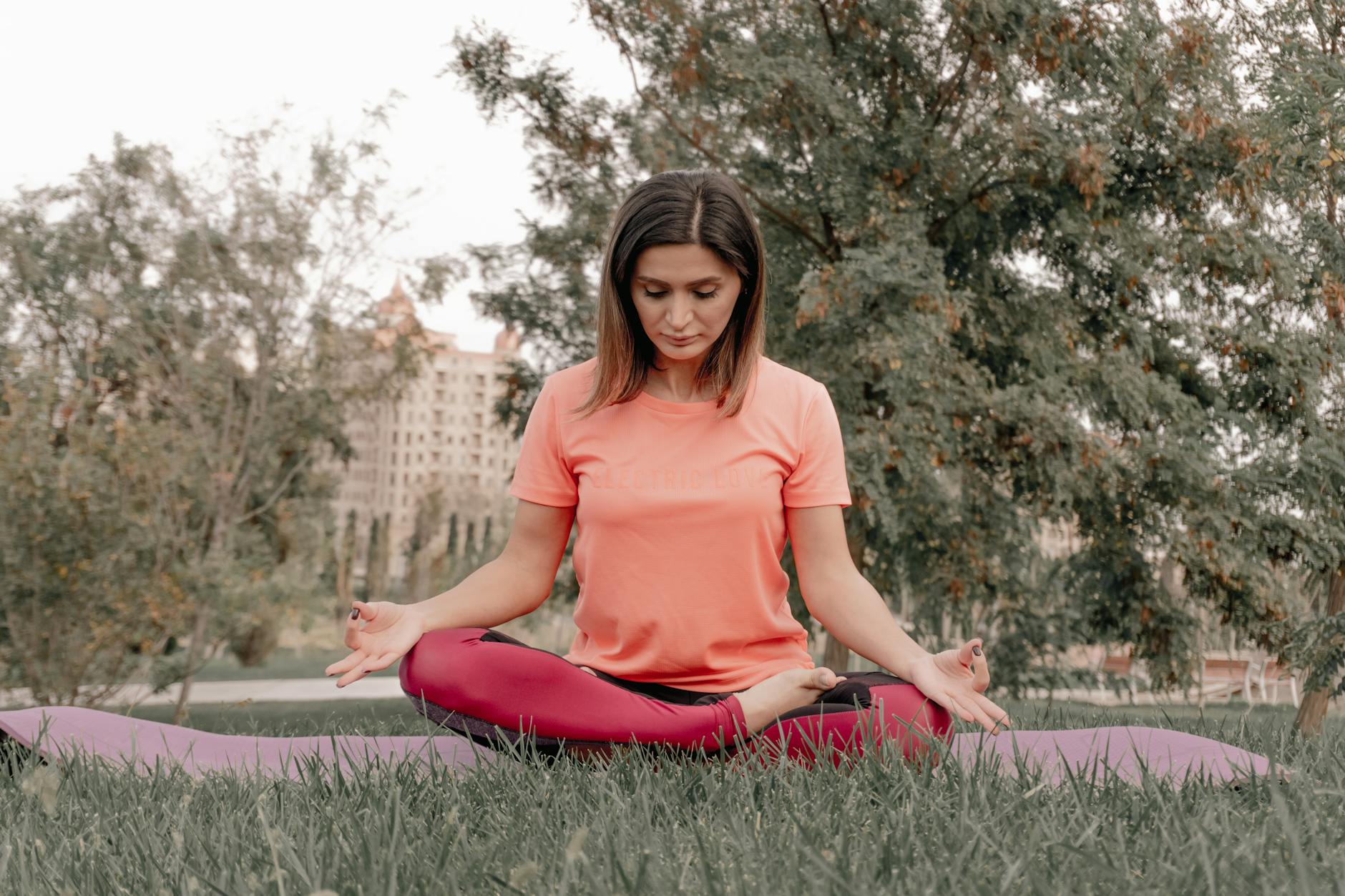
- Morning Mindfulness: Start deliberately. Breathing exercises or meditation could set a transformative tone.
- Movement: Discover what moves you—be it yoga, dance, or hiking. Physical activity releases endorphins, lightening stress. According to a Harvard study, consistent exercise enhances mood and concentration, better equipping one for daily hurdles.
- Nutritional Nourishment: Balanced eating energizes. Prepare meals you truly enjoy—it’s not about restriction.
- Digital Detox: Occasionally unplug. Reconnect with yourself away from screens.
- Evening Reflection: Close your day by acknowledging positives and what fills you with gratitude. According to UC Berkeley’s Greater Good Science Center, gratitude boosts mental health.
Adapting and Reshaping: Your Routine
Your self-care routine isn’t static. As life evolves, so will your needs. If mindfulness meditation loses its impact, explore alternatives like mindful walking or tai chi.
Jessica, a 30-year-old educator, initially chose nighttime reading. Yet audiobooks became her preference—gentler on her worn eyes post classroom hours.
“Finding what fits now is key.”
— Jessica, 30, Educator
Navigating Challenges
In establishing self-care, obstacles will arise. Perhaps guilt surfaces for prioritizing yourself, or old habits creep back.
“See self-care as necessary for your wellbeing, not selfish.”
— Dr. Sarah Chen, Psychologist
Stay adaptable. If one method fails, try another. Perceive this as a journey, not a fixed endpoint.
Connect & Share
Include others in your routine. Whether it’s a friend in meditation or an online community, shared experiences encourage motivation and accountability.
Final Thoughts: Your Personal Sanctuary
Crafting a self-care routine is deeply personal. By creating harmony in life’s chaos, you uplift your relationship with yourself and others. Remember—you’re deserving of this space for tranquility and renewal.
In Maya Angelou’s tender words,
“You alone are enough. You have nothing to prove to anybody.”
— Maya Angelou
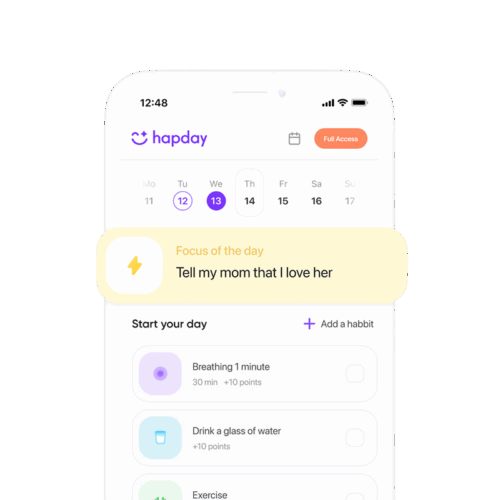
If inspired, take a step with the Hapday AI Life Coach. Delivering personalized wellness, this app’s supportive nudge may be just what you need.
The Bottom Line
By embracing the practice of self-care, you create a sanctuary that nourishes your inner self, prepares you for life’s challenges, and fosters a deeper connection with yourself. Remember, self-care is a journey, not a destination.
References
- American Psychological Association
- Greater Good Science Center, UC Berkeley
- Harvard University
Join 1.5M+ people using Hapday’s AI-powered tools for better mental health, habits, and happiness. 90% of users report positive changes in 2 weeks.