



Embracing Emotional Wellbeing: Navigating the Inner Landscape
Table of Contents
- Deciphering Your Emotional Terrain
- The Science Beneath Emotional Wellbeing
- Everyday Practices to Bolster Emotional Health
- Fortifying Emotional Resilience
- Journeying with Enhanced Emotional Wellbeing
- The Bottom Line
- References
Deciphering Your Emotional Terrain
Understanding emotional wellbeing begins with acknowledging it means more than fleeting happiness. It’s about knowing your feelings, welcoming them, and steering them toward personal growth and strength. Take Maya, for example. At 28, she found herself amid the emotional upheaval of a divorce. Her emotional state felt precarious, prompting deep introspection about regaining control over her inner health.
Contrary to what some may think, emotional wellbeing doesn’t entail constant joy. It’s about facing emotions—understanding their roots and navigating them constructively.
“Emotions are like visitors. They come and go, and our role is to be hospitable.”
— Dr. Sarah Chen, Clinical Psychologist at NYU
By weaving in daily practices that strengthen your emotional foundation, you can better navigate life’s unpredictable seas.
The Science Beneath Emotional Wellbeing
Why is emotional wellbeing crucial? Well, consider studies, including those cited by the American Psychological Association, showing links between emotional regulation and lower stress, better relationships, and overall life satisfaction. People who maintain emotional health often tackle life’s hurdles more efficiently and build more profound connections.
Think about this: our brains are remarkably capable of change. Neuroplasticity—the brain’s ability to reshape itself—allows us to condition our minds to bolster emotional health. With regular, deliberate actions, you can forge positive neural pathways, gradually molding your emotional reactions over time.
Everyday Practices to Bolster Emotional Health
1. Mindful Morning Rituals
Imagine beginning the day not with chaos, but with intention—a remedy for the day’s frantic rush. A simple morning ritual can usher in calm and focus.
How to Make It Happen: Start with deep breaths. Inhale slowly, hold briefly, then exhale—and watch anxiety lessen as oxygen enriches your brain. Follow this with meditation or journaling. Jot down gratitude or set a hopeful intention for the day.
Research out of Harvard Medical School highlights that mindfulness can decrease stress, bolstering emotional wellbeing. Begin each day with awareness; let that presence guide you through daily endeavors.
2. Emotional Check-ins
Visualize your emotions like weather—cloudy, bright, stormy. Regular emotional check-ins reveal what you’re truly experiencing, allowing for a calibrated response.
In Practice: Dedicate moments throughout the day to reflect on your current emotional state. Ask yourself: What am I feeling? Why? What’s needed? This introspection uncovers patterns and triggers, empowering you to better navigate emotions.
Maya found solace in these check-ins; recognizing her divorce-induced sadness and anger, she carved out space for healing.
3. Breathing in Nature
Engaging with nature can profoundly uplift your emotional state. When did you last lose yourself amid rustling leaves or a babbling brook’s tranquility?
Backed by Research: A University of Exeter study reported that merely 120 minutes weekly immersed in nature significantly boosts health and wellbeing—reducing stress hormones and fostering relaxation.
Try This: Integrate short nature walks into your routine or plan weekend outings. Engage all senses with nature’s colors, sounds, and textures, anchoring yourself in the present.
4. Building Bridges with Others
Overwhelmed? It may be tempting to withdraw, yet relationships are vital for emotional health. Loneliness isn’t just about isolation; it’s a genuine health concern undermining resilience.
Connect with Purpose: Reach out to someone you trust—through a call, text, or meeting. Share experiences or indulge in light conversation.
“Even quick social interactions can buoy mood and foster belonging.”
— Dr. Emma Higgins, Stanford
During trying times, Maya found strength reconnecting with friends and online support groups, adding depth to her emotional network.
Fortifying Emotional Resilience
Resilience equips us to withstand emotional turmoil, softening life’s rough edges and aiding recovery from challenges.
Cognitive Reframing
Adopt fresh perspectives amid difficulties: What lessons hide within setbacks?
Cognitive-behavioral therapy (CBT)—a staple in psychology—suggests that altering your thoughts can transform your feelings. Maya used CBT to view her divorce as a self-discovery adventure rather than failure.
Practicing Gratitude
Shifting focus from absence to abundance fuels gratitude, increasing contentment. Research from the Greater Good Science Center affirms gratitude as a significant factor in enhancing life satisfaction and emotional wellbeing.
Journaling Practice: Each day, list three things you’re grateful for. Reflect on their impact, and let gratitude nurture positivity.
Journeying with Enhanced Emotional Wellbeing
Remember, cultivating emotional wellbeing takes practice and patience. It’s a voyage—one yielding immense rewards, enriching interactions with both your outer world and inner self.
Embrace these practices, picturing yourself grounded and resilient, navigating each day with emotional fortitude fueling your ambitions. Experience the empowering grace of resilience as it guides you through life’s unpredictability.
So the next time you curl up under that blanket, let it signify triumph—a testament to your emotional health journey.
Key Takeaways
- Emotional wellbeing is a journey requiring patience and intentional practices.
- Regular emotional check-ins and mindfulness can significantly enhance emotional health.
- Engaging with nature and building connections with others fosters resilience.
- Cognitive reframing and practicing gratitude leads to improved emotional responses and life satisfaction.
The Bottom Line
Prioritizing emotional wellbeing is essential for a fulfilling life. By adopting practices that nurture emotional awareness and resilience, you empower yourself to navigate the challenges of life with strength and grace.
References
- American Psychological Association
- Harvard Medical School
- Greater Good Science Center
- University of Exeter
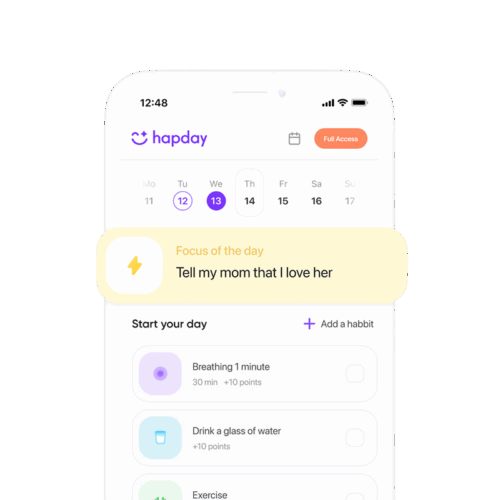
Join 1.5M+ people using Hapday’s AI-powered tools for better mental health, habits, and happiness. 90% of users report positive changes in 2 weeks.