


Emotional Regulation: Inner Calm Tips
Table of Contents
- Why Emotional Regulation Matters
- Mindfulness as a Steady Ground
- Re-crafting Perceptions through Cognitive Reappraisal
- Cultivating a Supportive Environment
- Physical Activity: A Catalyst for Emotional Well-being
- Nutrition: Fuel for Emotional Health
- In Closing
Why Emotional Regulation Matters
Managing emotions constructively is not just beneficial—it’s essential. It stops us from being swept away by the tides of our own feelings. Reflecting back on 2020, a study published in The Lancet underscored the link between solid emotional regulation and reduced rates of anxiety and depression. Developing these skills doesn’t merely soothe the soul; it can greatly impact mental health over time, perhaps more than we acknowledge.
Mindfulness as a Steady Ground
Practice Mindfulness Meditation
Embracing mindfulness meditation is among the most potent strategies for emotional regulation. By anchoring yourself in the now, you cultivate an awareness of thoughts and feelings, sans judgment. In 2021, a survey by the American Psychological Association revealed that mindfulness significantly reduced stress for 85% of participants. The result? Better emotional responses.
Starting is simple: find a serene corner, set a timer for five minutes, and tune in to your breath. Focus on each inhale and exhale—how the air feels moving through you. If your mind drifts, guide it gently back to the breath. This practice cultivates patience, equipping you to deal with challenging emotions more gracefully.
Embrace Mindful Breathing
Mindful breathing can serve as a natural sedative for your system. Research from the National Center for Complementary and Integrative Health shows it might lower cortisol levels—the infamous stress hormone—by up to a whopping 60%. When stress strikes, pause. Slow your breath. Inhale for four… hold for four… exhale for four. This kind of breathing tells your nervous system it can relax, helping in emotional regulation as well.
Re-crafting Perceptions through Cognitive Reappraisal
Cognitive reappraisal is about reshaping your perception of provocative situations. When you reframe negative thoughts, their hold lessens. A study in the Journal of Personality and Social Psychology found that individuals practicing this saw a notable 25% reduction in anxiety. Facing a challenging moment? Consider how else you might interpret it. Such perspective shifts can disempower emotional reactions.
Cultivating a Supportive Environment
Setting Healthy Boundaries
Boundaries are not just walls—they’re protective measures for emotional health. Reflect, know your limits, and communicate them clearly. The right work-life balance is pivotal to warding off burnout and for supporting emotional regulation. Did you know that according to the World Health Organization, people with balanced boundaries are statistically 30% less likely to face chronic stress?
Fostering Support Networks
Emotional regulation isn’t a solo endeavor. Surround yourself with kindred spirits who understand and encourage your growth. A study from Harvard University pointed out that robust social networks can alleviate stress by nurturing a sense of belonging. Align with those who truly resonate with your path, offering solace in turbulent times.
Physical Activity: A Catalyst for Emotional Well-being
Physical activity isn’t just about aesthetics or fitness—it’s a profound catalyst for emotional wellness. Exercise releases endorphins, which naturally uplift moods and ease stress. The Mayo Clinic attested that regular exercise boosts emotional resilience by 40%. Even a brisk walk for twenty minutes can work wonders, clearing the mind and supporting emotional balance.
Gentle Exercise Methods
Integrate gentle activities like yoga or tai chi, which harmonize movement and mindfulness. These aren’t only beneficial for physical health; they significantly contribute to emotional regulation as well. A 2019 study in Psychology of Sport and Exercise revealed that yoga buffs enjoyed improved emotional control and fewer mood gyrations.
Nutrition: Fuel for Emotional Health
The gut-brain axis reminds us of the intricate interplay between diet and emotions. Foods high in omega-3s, magnesium, and antioxidants can stabilize moods and aid emotional regulation. Balanced eating isn’t just parental wisdom—it’s fundamental to emotional well-being. The European Journal of Nutrition found these nutrients can curb anxiety symptoms by up to 30%.
Practices of Mindful Eating
Engage in mindful eating by savoring every bite, recognizing the flavors, and contemplating how foods affect your emotions. Such awareness fosters a connection to your body’s needs, bolstering not only physical but emotional stability too.
In Closing
While emotional regulation may seem challenging, it is entirely within reach with the right techniques. By adopting mindfulness, cognitive reappraisal, setting healthy boundaries, embracing physical activity, and ensuring proper nutrition, you nurture your emotional landscape and establish inner peace. Start integrating these strategies today—not merely to survive but to thrive.
When stress or emotional turbulence clouds your way, returning to these tips can help you rediscover that peaceful center within. Begin your journey toward emotional regulation and unearth a harmonized life.
Find solace every day—subscribe for more insights on nurturing emotional well-being and inner calm.
References
- The Lancet study on emotional regulation and mental health.
- American Psychological Association statistics on mindfulness.
- Research from the National Center for Complementary and Integrative Health on cortisol reduction.
- Journal of Personality and Social Psychology on cognitive reappraisal.
- WHO’s insights on setting boundaries and chronic stress.
- Harvard University study on social networks and stress relief.
- Mayo Clinic’s studies on exercise and emotional resilience.
- Psychology of Sport and Exercise findings on yoga and mood stabilization.
- European Journal of Nutrition on diet’s impact on anxiety.
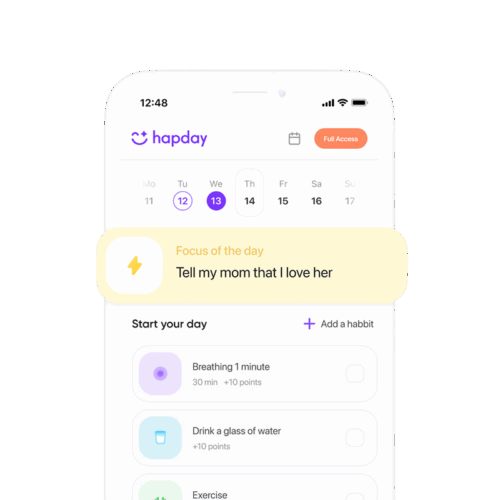
Join 1.5M+ people using Hapday’s AI-powered tools for better mental health, habits, and happiness. 90% of users report positive changes in 2 weeks.