

Emotional Wellbeing: A Journey to Thrive Each Day
Table of Contents
- Understanding Emotional Wellbeing
- Mindful Mornings: Setting the Tone
- Gratitude Journaling: Cultivating Positivity
- Connect with Nature: A Natural Healer
- Physical Movement: Energize Mind and Body
- Social Connection: Foster Meaningful Relationships
- Digital Detox: Reclaiming Your Mental Space
- Creative Outlets: Express and Release
- Mindful Breathing: The Subtle Recalibration
- Reflective Endings: Embrace Closure
- A Path Forward
- The Bottom Line
Key Takeaways
- Emotional wellbeing is more than just avoiding negativity; it’s about fostering positive traits and relationships.
- Simple practices like gratitude journaling and mindfulness can significantly enhance daily emotional health.
- Engaging with nature and maintaining social connections play vital roles in reducing anxiety and promoting happiness.
- Implementing small daily habits, such as mindful breathing and creative expression, can lead to profound emotional resilience.
Understanding Emotional Wellbeing
Emotional wellbeing — what is it, really? Not simply the absence of negativity, that’s for sure. It’s about possessing positive traits, being satisfied with life, and weathering life’s storms with grace. According to the American Psychological Association, it’s about managing stress, building relationships, and making choices. It’s the essence of living deeply. Now, with this foundation, let’s explore how to nurture this daily.
1. Mindful Mornings: Setting the Tone
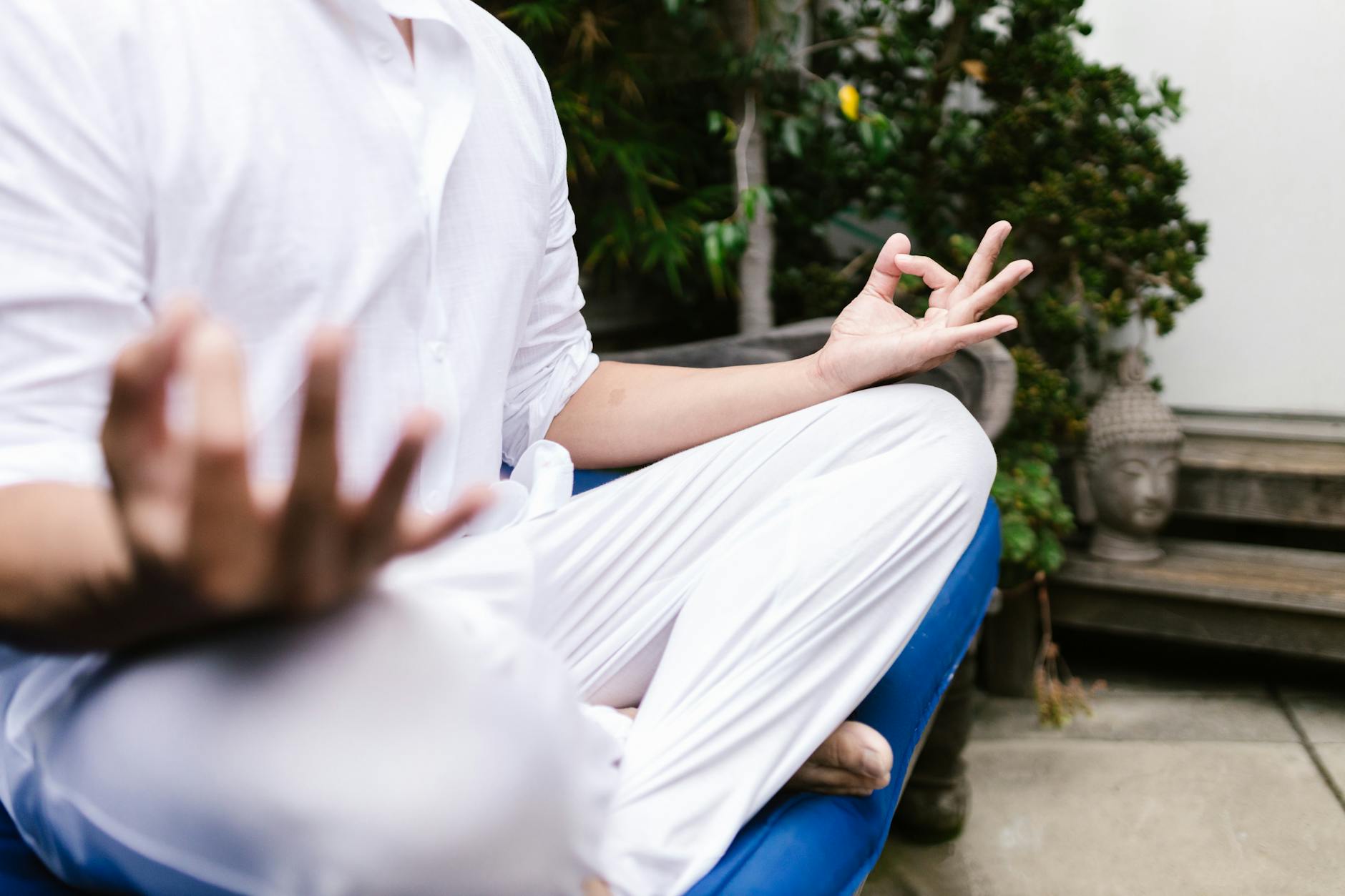
Meet Maya. At 28, after grappling with a tough divorce, she found peace in the gentle practice of morning mindfulness. With a warm cup of tea in hand, seated on her balcony, she connects with the city’s dawn symphony.
“A brief mindfulness practice each morning can shift your emotional compass,”
— Dr. Sarah Chen, Clinical Psychologist, NYU
Why? Due to its ability to dial down stress and heighten focus, as Harvard Medical School highlighted. So, here’s a thought: try ten minutes of mindful breathing or guided meditation — apps like Headspace or Calm can help set the stage.
2. Gratitude Journaling: Cultivating Positivity
Gratitude — a word often thrown around, yet so quietly powerful. Dr. Robert Emmons, an authority on gratitude, suggests that it reorients us from scarcity to abundance. This simple mental pivot can brighten your emotional landscape. Science tells us it’s about dopamine and serotonin — those feel-good chemicals. The Greater Good Science Center notes gratitude rewires our tendency to notice life’s gifts. How to start? Jot down three things you’re thankful for each day. Apps like Grateful provide gentle nudges for this practice.
3. Connect with Nature: A Natural Healer
Recall the last time you indulged in nature’s grandeur? In our tech-laden lives, nature remains a soothing balm. A Stanford University study found nature reduces negative thoughts. Even if it’s a garden’s simplicity or a stroll in the park, embrace what Maya accidentally discovered during late-night wanderings: the cooling embrace of night air.
4. Physical Movement: Energize Mind and Body
Sure, exercise is for the body, but oh, the wonders it does for the spirit. It’s about those endorphins — as the Mayo Clinic explains. You don’t need a gym; a dance or a brisk walk might just do. Discover your rhythm, something invigorating yet light — let it blend into your routine.
5. Social Connection: Foster Meaningful Relationships
In our digital labyrinth, there’s paradoxical solitude — hyperconnected yet lonely. Research emphasizes that rich relationships anchor our emotional health. The famed Harvard Study revealed that close connections outweigh wealth or fame in nurturing happiness. Why not reach out to an old friend or participate in local events? It’s these interactions, simple yet profound, that add color to our lives.
6. Digital Detox: Reclaiming Your Mental Space
Our screen-clad world demands a retreat. Studies in the Journal of Social and Clinical Psychology link excessive screen time, especially on social media, to anxiety and reduced self-esteem. So, why not carve out digital-free moments? An hour’s break before bed or a screen-free evening could rejuvenate your mind.
7. Creative Outlets: Express and Release
Creativity — painting, writing, or crafting — serves as a cherished escape. As the American Art Therapy Association notes, art reduces cortisol, the stress hormone. Find an outlet that resonates, no need for perfection, just the joy of self-expression. It’s about discovering your inner voice without words.
8. Mindful Breathing: The Subtle Recalibration
Our breath, often taken for granted, offers a reset, says Dr. James Nestor, author of “Breath.” A simple exercise — inhaling for four, hold for four, exhale slowly — soothes the heart and mind. Try it whenever the world overwhelms.
9. Reflective Endings: Embrace Closure
End your days with quiet reflection — recount beauty, lessons, and moments that passed unnoticed. Like Maya during her challenging times, find solace in small triumphs and self-compassion’s embrace.
A Path Forward
Enhancing emotional wellbeing — it’s about embracing the entire emotional spectrum, resilience by our side. By weaving these practices — whether it’s devoting mornings to mindfulness or simply unplugging from screens — you craft a life of genuine balance and joy.
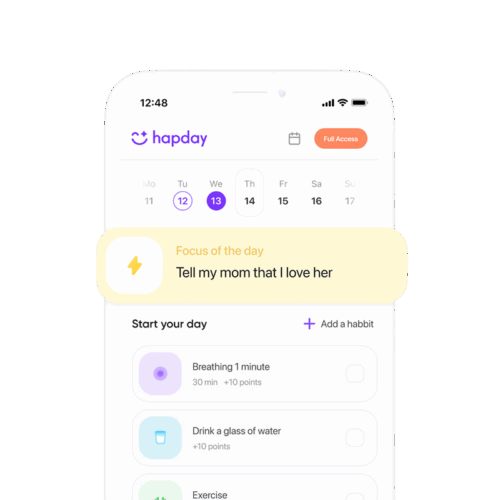
Embrace this journey. These small steps are paths to a more vibrant, fulfilling life. Each day invites you to explore what resonates. Remember, you’re not walking alone. Tools like the Hapday AI Life Coach serve as loyal companions, providing guided sessions, habit trackers, and personalized wellness advice round the clock.
The Bottom Line
Enhancing emotional wellbeing is a journey of self-discovery and small, consistent practices that lead to a fulfilling life. By acknowledging our emotions and implementing strategies that promote positivity and connection, we can navigate our daily lives with resilience and joy.
References
- Harvard Medical School
- Greater Good Science Center, Berkeley
- Mayo Clinic
- American Psychology Association
- Journal of Social and Clinical Psychology
Join 1.5M+ people using Hapday’s AI-powered tools for better mental health, habits, and happiness. 90% of users report positive changes in 2 weeks.