

Finding Inner Calm: Techniques for Everyday Peace
On a typical Tuesday afternoon, I found myself seated on a bustling subway, enveloped by the symphony of urban life. The train clattered on, passengers jostled for breath, and I felt that all-too-familiar curl of anxiety unfurling within me. As I glanced around, the weary faces of fellow commuters lost in their screens mirrored my quest for tranquility—each of us seeking that elusive inner peace among the city’s din. So, what do we do? How do we unlock this state of serenity? What practical approaches can we embrace to cultivate daily peace and find footing amidst the whirlwind that is modern life?
Table of Contents
- Understanding Inner Calm: A Journey Inward
- Mindfulness Meditation: Anchoring the Mind
- Breath Control: Harnessing the Power of Breath
- Nature Therapy: The Healing Power of the Outdoors
- Creative Expression: The Art of Release
- Digital Detox: Disconnect to Reconnect
- Gratitude Practice: Cultivating a Grateful Heart
- Progressive Muscle Relaxation: Releasing Physical Tension
- Conclusion: Your Journey to Inner Calm Begins Now
Key Takeaways
- Inner calm can be cultivated through mindfulness and practical techniques.
- Breathing exercises and nature therapy help to reduce stress and enhance well-being.
- Creative expression and gratitude practices provide emotional release and perspective.
- A digital detox can rejuvenate focus and emotional health.
- Progressive muscle relaxation helps release physical tension tied to stress.
Understanding Inner Calm: A Journey Inward
Attaining inner calm isn’t about running from life’s trials—it’s more about facing them with grace and strength. Overwhelm; we all know how it feels, don’t we? That gnawing tension when deadlines press or relationships falter. But here’s the good news: science-backed strategies can soothe the spirit and restore our equilibrium. Let’s delve into these methods, drawing from expert insights and narratives grounded in real life.
Mindfulness Meditation: Anchoring the Mind
Mindfulness meditation is often hailed as the bedrock of achieving inner calm.
“Mindfulness means paying attention to the now without casting judgment. It lets folks step out of stress cycles by refocusing their minds.”
— Dr. Sarah Chen, Clinical Psychologist
Why does it resonate? Research indicates mindfulness meditation lowers stress by reducing cortisol, the ubiquitous stress hormone. Back in 2021, the American Psychological Association highlighted this benefit, and a Harvard study noted that regular practice enhances emotional control and overall well-being by boosting gray matter density in the brain’s vital centers.
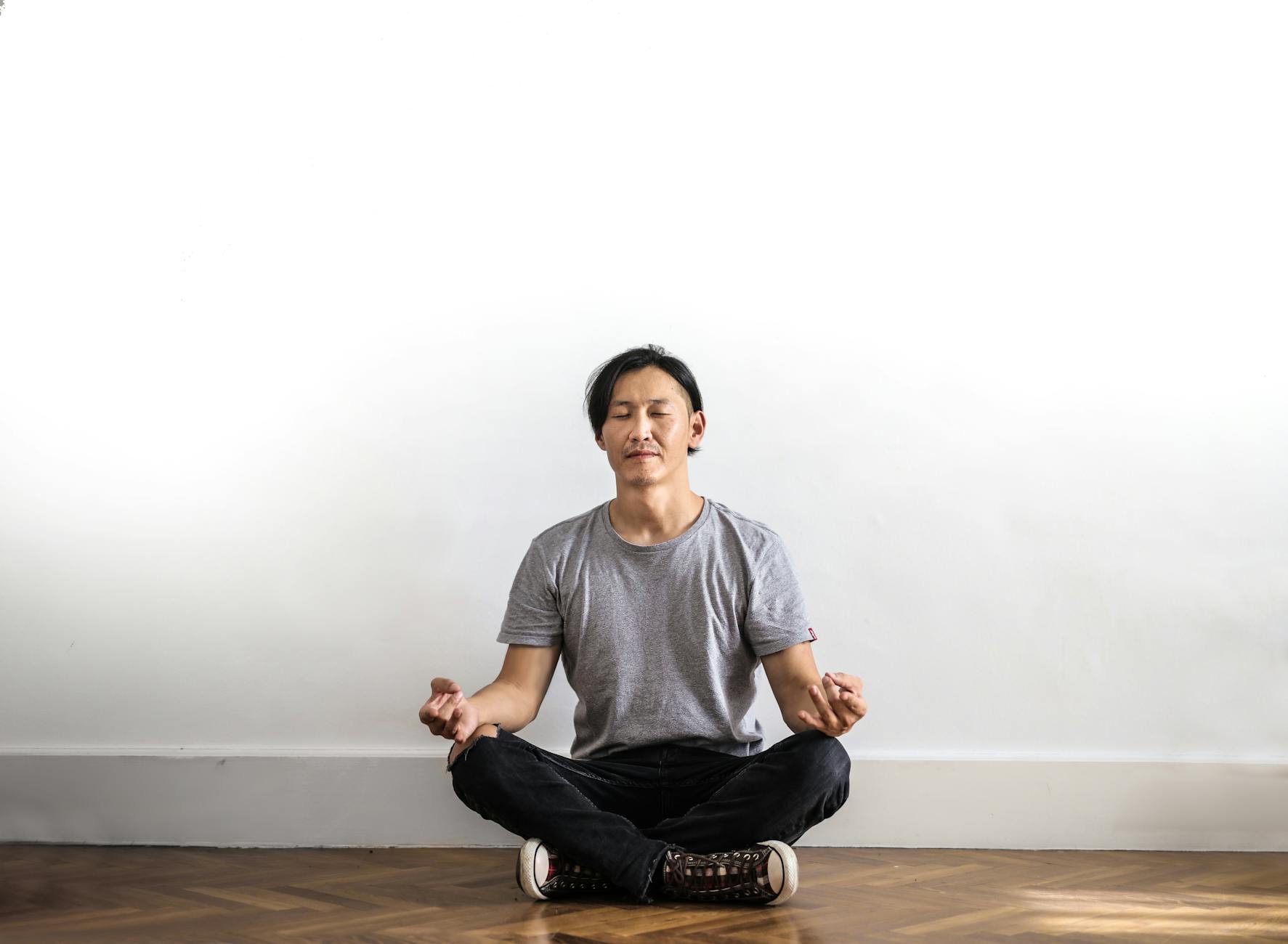
To start, take a mere five minutes daily. Find a quiet corner, settle into a comfortable seat, and close your eyes. Pay attention to your breath—you’ll feel your chest rise and fall. When thoughts wander, acknowledge them gently and return your focus to your breathing.
Breath Control: Harnessing the Power of Breath
When Maya, 28, endured a tough divorce, she was flooded by emotions. Breath control emerged as her anchor—a lifeline during distress.
“Slow, deep breaths grounded me when life felt chaotic.”
— Maya, Personal Story
Why does it help? Deep breathing activates the parasympathetic nervous system, which soothes the fight-or-flight reflex, promoting relaxation. The National Institutes of Health have emphasized how this lowers heart rate and blood pressure, crafting a calm state of alertness.
To practice, try the 4-7-8 technique. Inhale through your nose for a count of four, hold your breath for seven seconds, then exhale slowly through your mouth for eight counts. Repeat three or four times.
Nature Therapy: The Healing Power of the Outdoors
Picture this: The sun setting, a golden hue settling over the park. Leaves rustle, birds chirp—a calming symphony plays. Nature is a formidable healer.
Why does it work? Studies show that time spent outdoors reduces stress and lifts mood. A meta-analysis published by Environmental Health and Preventive Medicine reveals that green spaces lower cortisol levels and elevate spirits.
To make it a habit, incorporate nature into daily life. Lunch in the park? A small garden at home? Let nature revive your soul. Notice the texture of leaves, the scent of flowers, and the way they root you in the present.
Creative Expression: The Art of Release
Be it painting, writing, or music, creative expression is a powerful outlet for inner peace. Speaking with Dr. Emily Walsh, a neuroscientist who specializes in creativity, she shared,
“Artistic activities activate distinct brain realms, fostering flow and easing stress.”
— Dr. Emily Walsh, Neuroscientist
Why does it matter? Creative endeavors reduce stress by increasing dopamine, the neurotransmitter of pleasure. Psychology Today has delved into how this state of flow can uplift mood and boost self-awareness, offering emotional release.
Dedicate thirty minutes weekly to creativity. Dismiss the end results—focus on the journey. Love to draw? Sketch freely. Write a tale, compose a tune, or simply dance with abandon. Let creativity offer refuge.
Digital Detox: Disconnect to Reconnect
In our technology-driven era, endless notifications, emails, and social media beckon, often breeding digital fatigue. Jamie, a 32-year-old marketing manager, found her phone’s incessant demands left her uneasy.
“Taking breaks from screens felt like a mental reset.”
— Jamie, Personal Story
Why do it? Excess screen time links to heightened anxiety and sleep disruptions. The Mayo Clinic underscores this. A digital detox revitalizes focus and emotional well-being.
To practice, impose a “no screens” rule during the first and last hour of your day. Fill this time with self-care: journal, read, practice yoga. For a more significant detox, commit a weekend—engage in offline pursuits.
Gratitude Practice: Cultivating a Grateful Heart
Keeping a gratitude journal sounds simple, yet it can transform how we perceive the world. When overwhelmed, reflecting on life’s small blessings offers perspective and calm.
Why bother? Gratitude fires up brain regions linked to dopamine and cuts cortisol, fostering contentment. The Greater Good Science Center’s research underlines this.
Each evening, jot down three things you’re thankful for. Cherish the moment—a friend’s support, perhaps, or the warmth of a morning brew. Regular reflection reshapes your brain to highlight positivity, delivering tranquility amidst chaos.
Progressive Muscle Relaxation: Releasing Physical Tension
Stress often takes root physically. Picture relaxing every tight muscle, dispelling tension. Progressive muscle relaxation (PMR) is a technique involving systematic tensing and relaxation of muscle groups.
What’s the secret? PMR eases anxiety and promotes relaxation by enhancing bodily awareness. The American Psychological Association has vouched for this.
To practice, lay comfortably. Begin with your toes: tense them for five seconds, then release. Proceed through your calves, thighs, abdomen, up to your forehead. With each exhale, visualize tension dissolving away.
Conclusion: Your Journey to Inner Calm Begins Now
Embracing inner calm is a journey—personal yet profoundly universal. As you weave these techniques into daily life, remember it’s about progress, not perfection. Challenges will arise; holding space for self-compassion aids your journey. Imagine waking each day—anchored, at ease with life’s ebb and flow. It’s attainable.
In a relentless world, finding stillness can be a quiet rebellion. If stress overwhelms or you seek emotional balance, know you’re not alone. Here’s to your pursuit of inner calm—a journey driven by intention and hope.
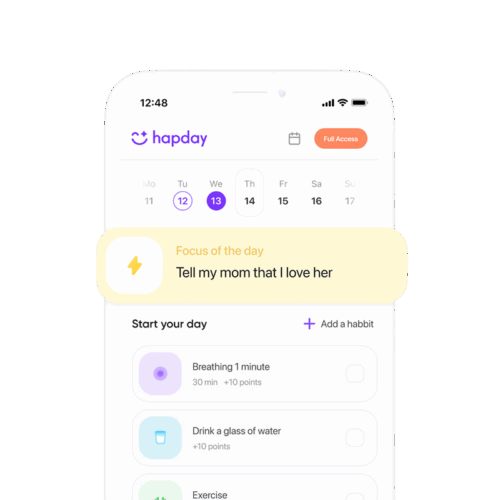
Feeling ready to go deeper? Consider trying an AI life coach like the Hapday app, offering personalized wellness guidance and round-the-clock sessions. It could be your guide in fostering mindfulness and balance. [Download now] and discover a life of calm and well-being.
The Bottom Line
Finding inner calm is a personal quest that can be supported by practical, evidence-based techniques. From mindfulness and nature therapy to creative expression and gratitude practices, simple daily actions can make a profound difference in your emotional well-being. Embrace your journey with patience and self-compassion, knowing that inner peace is achievable.
References
- American Psychological Association
- Harvard Gazette
- National Institutes of Health
- National Library of Medicine
- Psychology Today
- Mayo Clinic
- Greater Good Science Center
Join 1.5M+ people using Hapday’s AI-powered tools for better mental health, habits, and happiness. 90% of users report positive changes in 2 weeks.