


How to Create a Daily Self-Care Ritual for Balance
Imagine this: a gloomy Tuesday morning, and you’re tangled in the bedsheets, having hit snooze one too many times. Now, you’re scrambling—searching for that elusive shoe, splattering coffee on a freshly pressed shirt, and feeling stress cling to every step as you rush out the door into the chaos of a bustling city. We’ve all been there, haven’t we? In moments like these, finding even a sliver of peace feels impossible. Perhaps what you’re yearning for is a personal self-care ritual—an anchor to steady you amidst life’s storms.
Recognizing the Need for Self-Care
In today’s whirlwind of obligations, many people feel crushed under an invisible weight—a silent expectation to juggle everything flawlessly. And when you’re moving at a breakneck pace, personal needs often fall by the wayside. Yet, there’s clear evidence that stress takes a toll on both mental and physical health, contributing to ailments such as anxiety and depression, and yes, even chronic issues (a statement that’s echoed in many studies, including those unearthed by Harvard, back in 2021).
Take Maya, a 28-year-old I spoke with—a woman attempting to navigate the tumult of divorce. The emotional upheaval felt suffocating at times, trapping her in a relentless cycle of anxiety. She realized something pivotal: balance wasn’t a chance encounter, but an intentional act of creation.
Self-care isn’t a luxury; it’s essential. But how do we make room for it without feeling like it’s merely another chore on our never-ending list?
The Psychology Behind Self-Care
“Establishing a self-care ritual isn’t just enriching—it’s essential for building emotional resilience.”
— Dr. Sarah Chen, NYU
Rituals, she said, offer a calming predictability and a sense of control—a sentiment that countless studies affirm, including those endorsed by the American Psychological Association.
Crafting Your Daily Self-Care Ritual
Let’s delve into crafting a self-care ritual tailor-made for your life. Think of this ritual as more than just chores—make it personal, make it sacred.
Finding Your Anchor
Start with this: an anchor—a simple activity that brings serenity. Maybe sip herbal tea in peace, or meditate for ten minutes at dawn, or jot your aspirations in a journal. Let it be a gentle reminder: “This is my moment.”
Like Maya, who started with mere moments of deep breathing each morning—a practice that helped her ward off anxiety and introduced calm into her days.
The Science of Small Habits
The wisdom in James Clear’s “Atomic Habits” teaches us the profound impact of tiny steps. The journey of habit-formation—it’s daunting no doubt—but beginning small tends to stick. A European study found it takes about 66 days to form a habit, debunking that old myth of 21 days (University College London confirmed this).
So, your self-care need not be a complete life overhaul. Instead, weave in small bits of self-care into what you already do:
Choose Activities That Resonate
Focus on what genuinely brings joy. If bath bombs aren’t your thing and only provoke sneezes, find an alternative! Self-care is personal. Maybe it’s dancing spontaneously, diving into a creative hobby, or basking in the pastel hues of a sunset.
Implementing Consistency
“Consistency matters more than intensity.”
— Dr. Lila Roberts, Life Coach
She observes that the brain thrives on patterns. Regular, comforting routines can signal to your psyche a quiet assurance that, despite everything, all is well.
Use your phone to set reminders or tie your ritual to an everyday task, like brushing your teeth or pre-dinner moments. This echoes Charles Duhigg’s ideas in “The Power of Habit.”
Mindful Technology Use
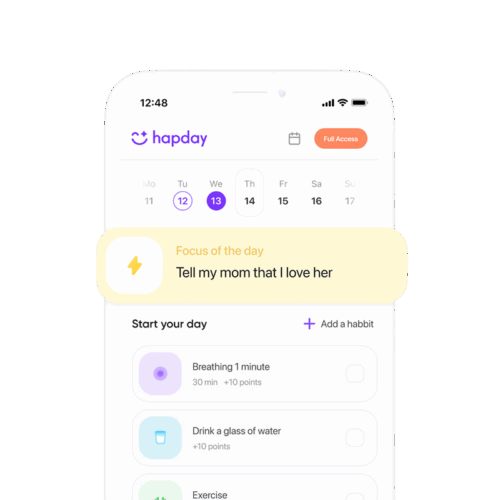
Often, self-care means disconnecting—a break from relentless screen exposure. Yet, technology, when used intentionally, can be a mindfulness ally. Apps like Headspace offer soothing guided meditations, while services like Hapday AI Life Coach support ongoing wellness practice.
Overcoming Barriers
Ever felt that self-care seems selfish amid life’s demands? Pause. Replenishing yourself empowers you to be present and supportive for those who matter most.
Mental barriers such as guilt, time scarcity, and skepticism can loom large. Remind yourself of the tangible benefits—studies by credible institutions, like the Mayo Clinic, highlight how self-care boosts emotional well-being and mental acuity.
Struggling still? Lean on your circle. Invite a friend to embark on this journey with you; sharing can lighten the road.
Personalizing Your Ritual
Let your rituals evolve. Make them fluid, every bit as dynamic as you are. If a yoga routine loses its appeal, a morning walk may offer renewal.
Remember Lisa from earlier examples? Her practices transformed—from focused breathing to gratitude journaling—with time, reflecting her changing inner landscape.
Embracing the Journey Ahead
Creating a self-care ritual isn’t about flawless execution; it’s about nourishment in the here and now. Real healing begins with showing up for yourself, amidst all the beautiful messiness life throws at you.
Permit yourself the priority of well-being. The care you foster for yourself radiates outward, influencing each facet of your existence. Let your ritual be a sanctuary of peace amid life’s unpredictable storms.
By weaving this practice into your days, you’ll find balance—not just in routine, but in heart and mind too. It’s never too late. Start today.
Key Takeaways
- Self-care is essential for mental and physical well-being, not a luxury.
- Consistent small habits lead to sustainable changes over time.
- Personalize your self-care rituals to ensure they resonate with you.
- Mindful technology use can enhance your self-care practices.
- Share the journey with friends to make self-care more engaging.
The Bottom Line
Creating a daily self-care ritual is an empowering step towards cultivating balance and peace in your life. Embrace the journey with small, intentional actions that uplift your spirit and enhance your well-being.
Join 1.5M+ people using Hapday’s AI-powered tools for better mental health, habits, and happiness. 90% of users report positive changes in 2 weeks.