



How to Create a Self-Care Daily Routine: A Pathway to Inner Peace
Picture this: waking up with a serene mindset, ready to embrace whatever the day throws your way. Sound idealistic? Perhaps. But in a world where chaos reigns more often than calm, such a vision can offer a glimmer of hope to those navigating life’s relentless pressures. The beauty of a well-structured self-care routine lies in its potential to serve as both anchor and sanctuary. So, how do we embark on crafting such a routine—one that truly nourishes the spirit and safeguards against burnout?
We’ll explore ways to tailor a self-care ritual that not just refreshes but seamlessly meshes with your everyday life, ideally granting you moments of balance when they’re most needed.
Table of Contents
- The Power of Routine: Building Blocks for Mental Health
- Why a Self-Care Routine Matters
- Designing Your Self-Care Daily Routine
- Morning Rituals: Set the Tone for the Day
- Midday Breaks: Recharge and Refocus
- Evening Routines: Wind Down and Reflect
- Personalized Self-Care: It’s All About You
- The Science of Self-Care: Why It Works
- Obstacles to Routine and Staying Motivated
- Incorporating Self-Care in Every Season
- Looking Ahead with Empowered Intent
- The Bottom Line
Key Takeaways
- Establishing a self-care routine enhances mental health and promotes overall well-being.
- Morning, midday, and evening rituals are essential in creating balance throughout the day.
- Personalization and flexibility are key to maintaining a sustainable self-care practice.
- Awareness of obstacles can help build resilience in your self-care journey.
The Power of Routine: Building Blocks for Mental Health
Imagine Maya, 28, grappling with the emotional whirlwind of divorce, who found a lifeline in routine.
“My mornings always start with a slice of meditation — sometimes just five minutes of it is grounding.”
— Maya, Self-Care Enthusiast
Her testimony reflects a common truth. Research often talks about how routines bolster mental health. As per the American Psychological Association, predictable routines can ease stress, diminish anxiety, and even improve sleep (APA). Yet, it’s not the pattern itself; it’s about staking that claim of control in an unpredictable world.
Why a Self-Care Routine Matters
“Routine isn’t just about order — it’s about creating the space where self-care can truly thrive.”
— Dr. Sarah Chen, NYU
It’s about harmonizing our mental and emotional needs, which frankly, can get sidelined in the bustle of daily life. When incorporated regularly, self-care practices release those feel-good neurotransmitters like dopamine. It’s not just an afterthought but a luxury you can reach out and touch.
Designing Your Self-Care Daily Routine
Building your self-care routine demands tuning into your unique needs. It’s not one-size-fits-all; maybe it involves losing yourself in a journal, the flow of yoga, or simply sinking into a good book. The aim? Discover what genuinely fuels your body, mind, and soul.
Morning Rituals: Set the Tone for the Day
The beginning of your day sets the stage for everything following it. So why not tailor it intentionally? Embrace practices like mindfulness meditation, gentle stretching, or even a gratitude ritual. Research—you may have heard this from Harvard Health—suggests that morning gratitude can significantly boost happiness (Harvard Health).
Quick Morning Tips:
- Mindful Breathing: Spend a brief five minutes focusing on your breath. Let each breath out be a soft release of tension.
- Gratitude Journaling: Write down three things you’re grateful for each morning. You might be surprised at what this simple act does for your mood.
Midday Breaks: Recharge and Refocus
The daily grind can gnaw at your mental fortitude. The importance of short, rejuvenating breaks in the workday can’t be overstated. They’re not just a luxury; they’re necessary.
“These micro-breaks—be it a stretch or a short walk—can dramatically lift both focus and mood.”
— Sarah Lawson, Wellness Coach
Effective Midday Practices:
- Stretch: Set a reminder for hourly stretching. Two minutes are all it takes to invigorate those weary muscles.
- Mindful Eating: Turn lunch into a mindful time. Focus on savoring your food’s textures and flavors away from screens to fully enjoy your meal.
Evening Routines: Wind Down and Reflect
As the sun sets, winding down becomes essential to ready our minds for restful sleep. Activities that promote relaxation signal it’s time to slow down. The National Sleep Foundation backs this up, affirming that evening routines can enhance sleep quality (National Sleep Foundation).
Calming Evening Activities:
- Digital Detox: Ditch screens an hour before bed. Use that time for soothing activities like reading or gentle stretches.
- Reflective Journaling: Spend a few minutes writing reflectively, perhaps pondering the day’s positives or clearing lingering thoughts pre-sleep.
Personalized Self-Care: It’s All About You
A thriving self-care routine is personal; it morphs with you. What’s effective for one person might do nothing for another. Flexibility is crucial. Start small—only a couple of changes at once—and gradually expand. And remember, self-care doesn’t chase perfection. It’s a journey toward intentionality.
The Science of Self-Care: Why It Works
This isn’t just a passing trend; scientific backing proves its significance. Regular self-care enhances mood, trims down anxiety, and might even boost immune functionality.
“Self-care helps mitigate stress’s physical impact, allowing natural relaxation to take root.”
— Dr. Emily Grant, neuroscientist
Obstacles to Routine and Staying Motivated
Embarking on this journey might ignite enthusiasm coupled with recognition of possible hurdles. Life’s demands can challenge even the best-laid plans. Awareness of these obstacles, however, can arm you with resilience.
Common Barriers:
- Time Constraints: Tightly-packed schedules can make self-care seem unachievable. Set realistic expectations, and remember—even 10 minutes can be impactful.
- Guilt: It’s easy to feel guilty putting yourself first. But recognize your wellbeing uplifts those around you too.
Ensure self-care doesn’t waver by treating it like a crucial appointment. Make it non-negotiable, and find allies who support your efforts.
Incorporating Self-Care in Every Season
Seasonality brings change, altering how we might engage in self-care. Winter might invite cozy, indoor solace while summer beckons with outdoor adventures or forest bathing. Adapt your routine to honor both external and internal seasons. Accept that self-care evolves, just as nature does.
Looking Ahead with Empowered Intent
Creating a self-care routine isn’t a fast track to happiness but a lifelong commitment to balance and self-appreciation. Picture waking up each morning not just with purpose but with rituals that fortify and sustain you through the day.
Investing in self-care breeds a sturdy foundation for greater emotional resilience, clarity, and overall well-being.
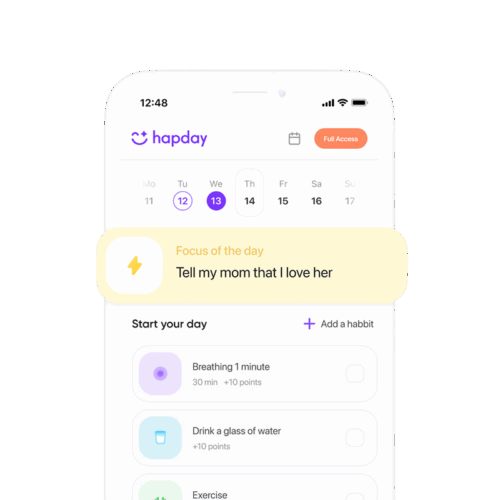
For those tech-savvy wellness seekers, apps like Hapday AI Life Coach could be the perfect companion, offering around-the-clock guidance and tailored wellness programs. Even in this digital age, technology can bolster your self-care goals, steering you toward a more balanced life. Explore the potential with Hapday AI Life Coach: Download here
The Bottom Line
Creating a robust self-care routine is a journey worth investing in. By prioritizing your needs and allowing for flexibility, you build a sustainable practice that nurtures your mental health and emotional well-being. Embrace the opportunity to grow and adapt your self-care rituals as you continue on this path toward balance and inner peace.
References:
- American Psychological Association.
- Harvard Health.
- National Sleep Foundation.
Join 1.5M+ people using Hapday’s AI-powered tools for better mental health, habits, and happiness. 90% of users report positive changes in 2 weeks.