



How to Enhance Your Emotional Wellbeing Daily
Table of Contents
- Understanding Emotional Wellbeing
- A Glimpse Into the Science of Emotional Health
- Begin With Mindfulness
- Embrace the Power of Connection
- Prioritize Physical Activity
- Discover the Joy of Journaling
- Sleep: The Unsung Hero
- Nourish With Purpose
- The Power of Forgiveness
- Crafting a Joyful Environment
- A Word From the Heart
Understanding Emotional Wellbeing
Now, before we dive into action steps, let’s talk about emotional wellbeing. It’s not just about chasing fleeting happiness or short-lived contentment; rather, it involves maintaining a stable, balanced state of mind where positive emotions usually overshadow the negative. Resilience, in this context, becomes your go-to response when life throws its inevitable curveballs. Remember that survey a few years back in 2020? The American Psychological Association called emotional wellbeing a cornerstone of overall health—a notion that rings remarkably true today.
A Glimpse Into the Science of Emotional Health
There’s an intimate dance between our emotional health and our physical selves. Ever notice how stress seems to invade more than just your thoughts, affecting your whole body? Harvard Health once pointed out the power of cortisol, a hormone released during stress that can meddle with everything from your blood pressure to your immune function. But here’s the good news: nurturing emotional wellbeing can become an ally, counteracting these strains and fostering a healthier relationship between mind and body. Shall we explore further?
Begin With Mindfulness
Stepping into the world of mindfulness, you might picture someone on a Himalayan hillside, but it’s actually simpler than that. Mindfulness is all about immersing yourself in the moment—letting thoughts pass without judgment.
“Mindfulness won’t eliminate daily pressures but equips us to handle them with grace.”
— Dr. Sarah Chen
Programs like Mindfulness-Based Stress Reduction, which folks at the Mayo Clinic stand by, have made profound impacts on emotional health.
How to Practice Daily Mindfulness
- Morning Rituals: Try starting your day with a brief meditation. Apps like Headspace offer quick, guided sessions that fit in with the busiest schedules.
- Mindful Eating: During meals, really savor the taste and texture of your food. It’s a simple shift, yet it disconnects you from the frantic rhythm of the day.
- Evening Reflection: Cap the day by reflecting on the good things that happened. It’s not just a gratitude exercise; it’s cultivating a mind tuned to positivity.
Embrace the Power of Connection
When stress invades, the instinct to withdraw can be strong, but resist. Call a friend—or anyone you trust. Social interactions are a lifeline to emotional strength. The University of Michigan Health System once observed that meaningful relationships are fantastic buffers against stress. It’s something to consider.
Foster Connections With Intent
- Scheduled Catch-Ups: Fit regular chats with friends or family into your calendar. Personal story time: when Maya, a friend of mine, endured her divorce at 28, she found comfort in weekly Zoom calls with her sister, which turned into a real rock during her emotional upheaval.
- Join a Community: Engaging with groups—be it local book clubs or online interest forums—enriches life with shared enthusiasm and deeper ties.
Prioritize Physical Activity
Exercise isn’t just about the physical—it’s deeply tied to how we feel emotionally too. The National Institute of Mental Health once highlighted that those little endorphins can do wonders for regulating mood.
Incorporate Movement Into Your Routine
- Walking Breaks: For those chained to a desk, stepping away for a brisk ten-minute walk can lift your spirits like nothing else.
- Join a Class: Whether yoga, dance, or martial arts catches your fancy, classes offer both physical engagement and a constructive emotional outlet.
Discover the Joy of Journaling
Writing can be a therapeutic ally. When your mind feels overcrowded, jotting down thoughts brings relief and clarity.
“Tapping clattering words on paper could even boost immune functions.”
— Dr. James Pennebaker
Fascinating, isn’t it?
Start Your Journaling Journey
- Gratitude Lists: Begin by listing things you’re grateful for—it shifts focus from scarcity to abundance.
- Emotion Diaries: Record your feelings, raw and uninhibited—think of it as an unburdening process.
Sleep: The Unsung Hero
Sleep is often an overlooked pillar of emotional wellbeing. Without enough rest, our emotional state can hit hard times. The National Sleep Foundation warns us that lacking proper sleep escalates anxiety and depression nearly as routinely as the sun rises.
Cultivate Better Sleep Habits
- Consistent Schedule: Establishing a regular bedtime aligns your internal clock, supporting both sleep quality and emotional steadiness.
- Unplug and Unwind: Prior to bed, unplug devices—read, practice gentle yoga, or soak in a warm bath instead. These unwind rituals signal your body to relax.
Nourish With Purpose
Doesn’t it feel profound, the link between diet and mood? I read somewhere in the Public Health Nutrition journal that folks munching on more fruits and veggies reported reduced stress levels. It’s food for thought, literally.
Healthy Eating Habits for Emotional Health
- Colorful Plates: Fill your meals with vibrant vegetables and fruits—each shade offers different nutrients, benefiting the mind.
- Stay Hydrated: Dehydration impacts mood more than we realize; keeping water nearby is an easy win.
The Power of Forgiveness
Resentment is a thief of emotional peace. Forgiveness, a release more than an endorsement of actions, unchains us from stress. Stanford’s Forgiveness Project showed letting go significantly relieves emotional strain.
Steps Towards Forgiveness
- Acknowledge Your Feelings: First, recognize and validate your emotions.
- Empathize: Try viewing situations from other perspectives—not to justify, but to liberate.
Crafting a Joyful Environment
Can our surroundings really shape our emotional lens? Absolutely. The Mayo Clinic notes that orderly environments foster peace and calm. That’s why I declutter regularly—not just to clear up space but also to clear my mind.
Transform Your Space
- Declutter Sessions: Once a week, tackle a small space—decluttering can be surprisingly meditative.
- Incorporate Nature: Add houseplants or essential oils to your environment for a soothing effect.
A Word From the Heart
You’re about to embark on a quest—enhancing your emotional wellbeing won’t demand monumental shifts, just the gentle dedication to small practices integrated daily. These aren’t mere tasks on a list; they’re nourishment for the resilient emotional you. Each of these steps forms a tapestry, weaving together balance and strength.
Remember, you’re shaping your own emotional world. You have what it takes to cultivate a space thriving with peace and joy. And when life’s trials loom large, you’ve got strategies at your fingertips, ready to help you not just cope but flourish.
Key Takeaways
- Emotional wellbeing is a balanced state of mind, maintained through daily practices.
- Mindfulness, social connections, and physical activity significantly enhance emotional health.
- Journaling and good sleep hygiene are essential for emotional clarity and resilience.
- Forgiveness and a serene environment contribute to emotional peace.
The Bottom Line
Enhancing your emotional wellbeing is about the small, consistent choices you make each day. These practices build resilience and create a nurturing environment for personal growth. By embracing these strategies, you’re well-equipped to cultivate a life filled with peace and joy.
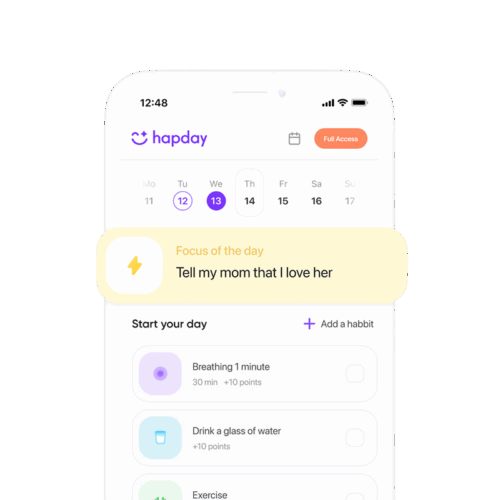
Feeling inspired to take charge of your emotional wellbeing? Embrace this journey with your very own guide—Hapday AI Life Coach. With 24/7 guided sessions, habit tracking, and personalized wellness programs, emotional balance is within reach.
*References available upon request.*
Join 1.5M+ people using Hapday’s AI-powered tools for better mental health, habits, and happiness. 90% of users report positive changes in 2 weeks.