


Mindful Living: Letting Go of Worry
Table of Contents
- Understanding Mindful Living
- The Science of Worry
- Techniques to Let Go of Worry
- Cultivating a Mindful Environment
- Challenges and Consistency in Mindful Living
- Embracing Lifelong Mindful Living
Understanding Mindful Living
Mindful living isn’t just a concept; it’s about engaging with the present moment fully. Often traced back to ancient Buddhist practices, mindfulness has gained popularity for its significant benefits to emotional health. Rather than clinging to regrets or dreading future problems, this approach encourages living life as it unfolds.
Dr. Jon Kabat-Zinn, who has been instrumental in linking mindfulness with modern medicine, describes it as “paying attention in a particular way: on purpose, in the present moment, and non-judgmentally.” With this meticulous focus, people can experience life directly, which anchors them in reality and tends to reduce worry.
The Science of Worry
Worry can be a helpful tool—prepping us for what might go wrong. But when worry becomes constant, it can lead to chronic stress, which all too often impacts mental and physical health negatively. The American Psychological Association, back in 2019, pointed out that stress-related issues could exacerbate conditions like heart disease and depression.
Here’s the good news: mindfulness has been shown to help offset these negative effects. In “Psychosomatic Medicine,” a study noted that those participating in mindful meditation reported lower cortisol levels—cortisol being the body’s chief stress hormone—and showed increased emotional resilience.
Techniques to Let Go of Worry
-
Breath Awareness
Our breath links mind and body. Focusing on your breathing brings you back to now. Try this: inhale through your nose, pause, exhale slowly. How do you feel? Even three minutes can connect you to the moment.
-
Mindfulness Meditation
Meditation fosters a space where you can encounter your thoughts, including anxious ones, with acceptance. A meta-analysis in “Journal of Behavioral Medicine” indicates mindfulness meditation significantly eases anxiety symptoms. Start small—five minutes a day works—and let it grow naturally.
-
Body Scan Meditation
Body scans help unwind the physical tension that often accompanies anxiety. This involves lying down, shutting your eyes, and mentally reviewing your body from your toes to the top of your head. A “Clinical Psychology Review” study suggests that body scans markedly reduce anxiety, facilitating greater relaxation.
-
Journaling
The art of writing about what worries you can release its grip. Noted in “Journal of Anxiety, Stress & Coping,” this practice can encourage clarity and calmness by focusing inward.
-
Gratitude Practice
Gratitude shifts focus from what’s wrong to what’s right. Spend a moment each day jotting down three things you’re grateful for. “Personality and Individual Differences,” a study, highlights how such practices reduce stress and boost life satisfaction.
Cultivating a Mindful Environment
Mindful Spaces
Declutter. Bring in a plant or two; use soft lighting. It’s amazing how these simple changes alter the vibe of your work or living space.
Mindful Movements
Be it yoga or a simple walking meditation, activities combining physical and mental focus, as noted in “BMC Complementary and Alternative Medicine,” help reduce stress and improve overall wellness.
Challenges and Consistency in Mindful Living
Shifting towards mindfulness isn’t always straightforward, especially with modern distractions. Regular practice and patience are essential. Begin with small actions—mindful eating, listening, even when checking emails. Remember, mindfulness is a journey where incremental steps matter.
Embracing Lifelong Mindful Living
Over time, mindfulness weaves into the tapestry of your life, enriching it with equanimity. A report in “Social Cognitive and Affective Neuroscience” underscores how seasoned practitioners demonstrate better emotional regulation and stress response.
Letting go of worry through mindfulness ushers in a harmonious, balanced life. With continued practice, mindfulness becomes a haven—a refuge amidst life’s storms. The rewards are immense: clearer thinking, peace, and a deeper connection with the world.
A final thought: integrating mindful living into your life can truly decrease anxiety and enhance your emotional well-being. Begin with small steps, extend grace to yourself, and allow tranquility to find a home in your daily existence.
References:
- American Psychological Association
- “Psychosomatic Medicine” Journal
- “Journal of Behavioral Medicine” Meta-analysis
- “Clinical Psychology Review”
- “Journal of Anxiety, Stress & Coping”
- “Personality and Individual Differences” Study
- “BMC Complementary and Alternative Medicine” Study
- “Social Cognitive and Affective Neuroscience”
Note: Please replace placeholder links with the actual URLs to studies and references before publication.
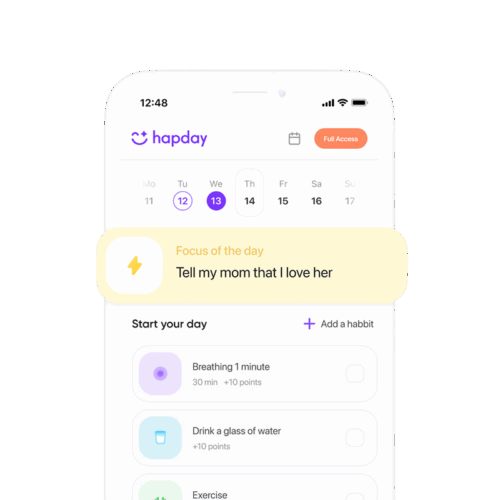
Join 1.5M+ people using Hapday’s AI-powered tools for better mental health, habits, and happiness. 90% of users report positive changes in 2 weeks.