



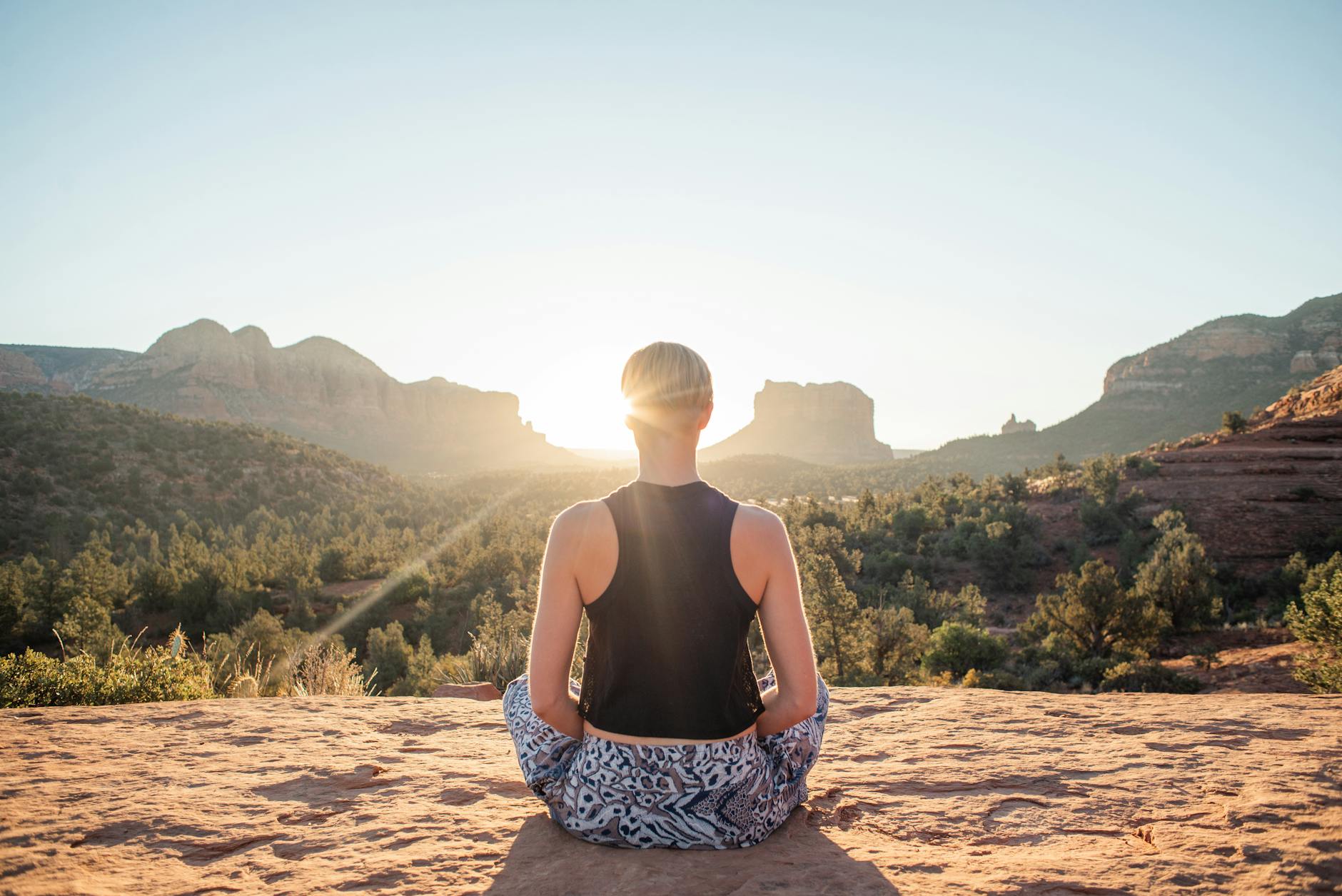
Mindfulness Meditation: Your Daily Sanctuary
Table of Contents
- What Is Mindfulness Meditation?
- Why Does It Work?
- Your Mindfulness Sanctuary at Home
- Starting Your Daily Practice
- Making It Stick
- Overcoming Challenges
- Embracing the Benefits
- Final Thoughts
Imagine yourself in a tranquil grove where the air is alive with the soft rustling of leaves. Sunlight dances through the branches above, creating patterns on the ground that seem to move with the rhythm of your breath. Here, in this serene space, the relentless noise of daily life seems to vanish, letting you momentarily rest from the world’s demands. In today’s high-pressure society, don’t we all crave such moments of unadulterated peace? Mindfulness meditation isn’t just an escape; it’s the practice of finding that inner refuge every single day—a chance to anchor your scattered mind amidst the chaos.
Picture the start of your day—sipping a hot cup of coffee with notifications and urgent tasks beginning to pile up even as you take that first sip. Or perhaps, as night falls, your mind continues its relentless interrogation of the day’s events instead of winding down. Sound familiar? You’re not alone. The unending carousel of alertness has become a defining feature of life for Millennials and Gen Z. How do we ease the stress and anxiety of living on this adrenaline treadmill? Mindfulness meditation could well be the antidote—and a rather powerful one at that.
What Is Mindfulness Meditation?
At its core, mindfulness meditation is about embracing the present moment with open arms, free of judgment. It’s a game-changer, a tool of awareness that can transform the mundane into the extraordinary. A handy piece of research from Harvard suggests that practicing mindfulness can help reduce stress, boost emotional health, and even enhance cognitive agility (but you might have guessed that already, right?).
“Mindfulness meditation helps you slow down, letting you see your thoughts drift by like clouds, without getting tangled up in them. It’s about being right here, right now.”
— Dr. Sarah Chen, NYU
Why Does It Work?
This isn’t just some wellness fad with a trendy name. There’s some science to back it up. Our brains enjoy something called neuroplasticity, meaning they reshape themselves based on how they’re used. Regular mindfulness exercises can fortify the brain’s pathways, especially those tied to focus, emotion, and problem-solving. Just ask Maya—at 28, her world turned topsy-turvy with her parents’ divorce. But daily moments of mindfulness helped her navigate emotional turmoil and stay on top of her professional game.
One study from the Massachusetts General Hospital found that after participating in an eight-week mindfulness program, changes could be seen in brain regions involved in empathy and stress regulation. This sort of stuff really changes minds, pun intended.
Your Mindfulness Sanctuary at Home
Feeling inspired to try this out? It all starts with a bit of creativity at home. Transform a cozy nook into your sanctuary for mindfulness—no need for a sprawling space. A quiet corner adorned with things that whisper tranquility, a soft cushion, a flickering candle, or a photo that brings you joy, can all work wonders.
Enhance this enclave with calming background tones, perhaps a gentle timer or an app crafted for meditation novices. The aim? A dedicated retreat that invites you back, again and again.
Starting Your Daily Practice
Keen to dive right in? Here’s a roadmap to make mindfulness a fixture in your life:
- Begin with Breathing: Sit down, close those eyes. Breathe deeply—not just any breathe—one that fills your being entirely. Hold, then release, letting any tension disperse with your exhale. Breathing can ground you, helping shrug off distractions, immersing you in the present moment.
- The Body Scan: To enhance body awareness, try this: systematically tune into each part of your body, from tip to toe. Be curious—notice sensations without any internal commentary. This is your time to just be.
- Guided Journeys: If you’re new, let guided meditations be your pathway. Explore different themes through apps like Calm or Headspace. These are your teachers, your guides through the varied landscape of your mind.
“Breathing is the bridge between mind and body—something tangible to grasp when your mind’s skittering through worries.”
— Professor Mark Williams, Oxford
Making It Stick
Taking the first steps is great, but how do you make this part of the fabric of your daily life? Here’s how to thread it through your day:
- Set a Schedule: Pick a time, day after day. Make it part of waking up or winding down. Regularity breeds habit.
- Start Small: Five minutes is plenty to begin. Grow it bit by bit as comfort and familiarity blossom.
- Everyday Mindfulness: Don’t keep it for meditation alone. Incorporate mindfulness into ordinary activities—walking, eating, waiting in line. Feel it all—textures, sounds… even mundane routines can be incredibly grounding.
- Community Can Help: Sometimes a shared journey bolsters resolve. Join groups, partake online, or gather with friends. Share insights, triumphs, and trials.
Overcoming Challenges
We all hit snags—the wandering mind, doubt, impatience. No need for despair; it’s totally normal! When you find your thoughts veering away, simply guide them back, gently as a mother’s touch. Persistence fortifies focus.
“Meditation isn’t about a ceaseless state of calm but learning to navigate your emotional weather with grace.”
— Dr. Emily Stone, UCLA
Embracing the Benefits
As mindfulness ingrains itself into your life, expect shifts—often subtle, sometimes profound. Greater emotional resilience lends a hand to stress management, while focus becomes more streamlined. Compassion blooms, knitting closer bonds with yourself and those around you.
Consider Liam, at 32, burnout loomed in his workplace. Implementing mindfulness each day changed everything for him, offering clarity and recalibrating priorities. Result? A saner, balanced approach.
Final Thoughts
Embarking on a mindfulness journey is a poignant step towards mental clarity and emotional balance. Think of it as tending a garden in your mind—each session a seed sown for peace and insight. This is your refuge, your revitalizing escape. Be gentle with yourself as you begin, and savor every moment of growth.
And for those seeking a bit more structure on this path, the Hapday AI Life Coach might be a handy ally, with its tailored support for nurturing mindfulness and personal development throughout your life.
Key Takeaways
- Mindfulness meditation is a powerful practice for reducing stress and enhancing emotional health.
- Creating a dedicated space for mindfulness at home can enrich your practice.
- Small, consistent steps are key to integrating mindfulness into your daily life.
- Community support can enhance motivation and commitment to mindfulness practices.
- Embracing the journey of mindfulness can lead to profound emotional and mental benefits.
The Bottom Line
Incorporating mindfulness into your daily routine is more than a trend; it’s a transformative experience that nurtures emotional resilience and mental clarity. As you cultivate this practice, expect to uncover layers of peace within, allowing life’s stresses to drift away like clouds in a clear blue sky.
References
- Harvard Health Publishing
- Massachusetts General Hospital
Join 1.5M+ people using Hapday’s AI-powered tools for better mental health, habits, and happiness. 90% of users report positive changes in 2 weeks.