


Self-Care: Embracing Peace Amid the Chaos
Table of Contents
- The Essence of Self-Care in Daily Life
- Why Routine Holds Power
- Crafting Your Morning Routine
- Mindful Meals as Midday Breaks
- Afternoon Reflection and Recharge
- Evening Unwind Routine
- Overcoming Common Hurdles
- Sustaining Your Self-Care Routine
- The Bottom Line
Key Takeaways
- Self-care is an essential practice for maintaining mental, physical, and emotional health.
- Incorporating self-care into your daily routine provides stability and resilience.
- Mindful eating can transform meals into moments of gratitude and awareness.
- Overcoming guilt around self-care is crucial for personal productivity and effectiveness.
- A sustainable self-care routine enhances overall well-being and presence in life.
The Essence of Self-Care in Daily Life
Before piecing together a routine, let’s ponder self-care’s true essence. Often dismissed as indulgent, it’s actually a powerful strategy against modern life’s relentless pressure.
“Self-care isn’t about splurging. It’s a basic, essential practice for sustaining mental, physical, and emotional health.”
— Dr. Sarah Chen, Clinical Psychologist at NYU
Such sentiments aren’t mere words. A report from the National Alliance on Mental Illness highlights that regular self-care can drop anxiety and depression by up to 60%. Plus, it breeds resilience, equipping us to weather life’s unpredictable storms with grace. That’s no small feat.
Why Routine Holds Power
Embedding self-care into a routine makes it a constant, not just something you squeeze in if time allows. Take Maya, at 28, who was overwhelmed after her divorce.
“Everything felt chaotic, but having a structured self-care routine granted stability I could lean on.”
— Maya, Self-Care Advocate
From a neuroscientific perspective, routines provide predictability and engage the brain’s reward mechanisms, promoting a feel-good factor and encouraging repetition. By scheduling self-care, you transform it from an abstract idea into a bedrock habit.
Crafting Your Morning Routine
Starting with intention sets a positive tone. Experts often promote a simple early ritual.
“Begin your day with something that elevates mood and focus.”
— Dr. Marcia Alvarez, Wellness Coach
A common technique? Morning meditation. According to a Harvard study from 2018, just 10 minutes focusing on breath can cut stress hormones like cortisol by 30%. Imagine the tension melting as you center yourself, ready for what’s ahead.
Follow this with movement. Whether it’s stretching, yoga, or a brisk walk, physical activity pumps up endorphins, providing a natural energy burst.
“A morning stretch can invigorate the body and boost mental clarity for the day.”
— Dr. Sarah Chen, Clinical Psychologist at NYU
Mindful Meals as Midday Breaks
Let’s not overlook food’s role—fueling the mind as much as the body. Clouded by stress, mindful eating becomes a refuge. Think of a stress-free lunch, no screens, just you and the plate in front. These moments can be transformative, steeping you in gratitude and awareness. The University of California’s “mindful eating” study underscores this: participants stressed less and enjoyed meals more when they focused solely on eating. A simple practice? Dedicate one meal daily to eating mindfully. Focus on textures, flavors, and the enriching act of nourishing your body.
Afternoon Reflection and Recharge
Come afternoon, energy dips. A perfect time for a brief mindfulness activity—a few deep breaths, a nature walk, or perhaps jotting a gratitude note. Lisa, a 34-year-old teacher, finds relief in writing one thing she’s grateful for most afternoons.
“It keeps perspective, reminding me of the beauty in my busy life.”
— Lisa, Teacher
Such acts can elevate serotonin, enhancing mood and mental flexibility, reports the American Psychological Association.
Evening Unwind Routine
As the sun sets, winding down becomes key—signaling to your body it’s time for rest. This could involve turning off digital devices an hour before bed. Let the brain switch to peacefulness, Dr. Alvarez advises. Pair with a calming tea or warm bath, known for easing tension and anxiety. According to the Mayo Clinic, a warm bath can soothe muscles and improve sleep due to its calming warmth. End the day with light mindfulness—reading or gentle music over stimulation.
Overcoming Common Hurdles
Despite set intentions, embedding self-care is not without its bumps. Guilt often pops up—perceiving it as time stolen from productivity. Sound familiar? Remember, self-care isn’t selfish. It’s enhancing effectiveness.
“See self-care as a necessary reset, akin to rebooting a computer for peak functionality.”
— Dr. Sarah Chen, Clinical Psychologist at NYU
If time is tight, start small—five minutes dedicated to something meaningful can still calm and rejuvenate.
Sustaining Your Self-Care Routine
Keeping up with self-care is like maintaining any promise. It requires intent but ultimately enriches life. Adjust when needed, tuning into what nurtures most. When setbacks come, let them be lessons, not judgments. They remind you to reconnect with what sustains. Building a self-care habit amid life’s demands might seem daunting but is deeply empowering. Gentle and intentional practices not only nurture well-being but enhance your presence in life.
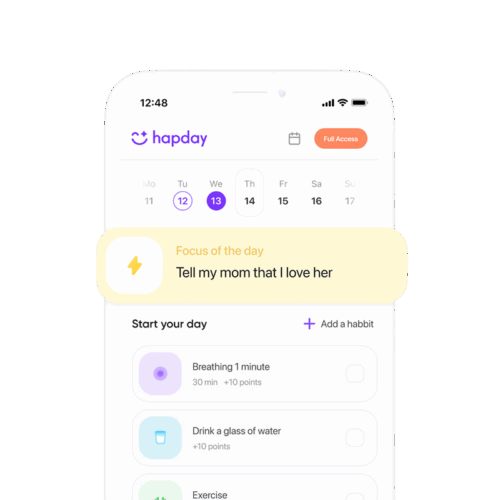
Finding a self-care rhythm that seamlessly fits your routine is a journey—one promising balance, presence, and peace. As you embark, know you’re nurturing more than a practice; you’re cultivating a lifestyle that sustains through life’s tides. Investing in yourself truly transforms life’s narrative. For tailored guidance, explore Hapday AI Life Coach, where tech meets empathy in this journey. Download from your app store and begin creating a balanced, nourishing routine.
The Bottom Line
Prioritizing self-care is not merely an indulgence; it’s a vital practice that enhances your ability to navigate life’s complexities. Through a structured routine, mindfulness, and intentional moments of reflection, you can foster a resilient mindset that allows for growth and joy. Embark on this journey to transform your daily life into a balanced and fulfilling experience.
Join 1.5M+ people using Hapday’s AI-powered tools for better mental health, habits, and happiness. 90% of users report positive changes in 2 weeks.