

Mindfulness Meditation: Your Pause Button in Life’s Chaos
Table of Contents
- The Awakening to Mindfulness
- Understanding Mindfulness
- The Practical Application of Daily Mindfulness Meditation
- Techniques to Focus On
- When the Mind Wanders
- Real-Life Examples: Transformation Stories
- Cultivating Consistency
- Why This Practice Matters
- Nurture Through Mindfulness Meditation
Key Takeaways
- Mindfulness meditation is a proven technique that helps reduce stress and improve emotional regulation.
- Starting small with just two minutes a day can make mindfulness more approachable.
- Creating a dedicated, tech-free space enhances the effectiveness of your practice.
- Real-life stories demonstrate how mindfulness can transform both personal and professional lives.
- Regular practice fosters a deeper sense of calm and can lead to greater life satisfaction.
The Awakening to Mindfulness
You’re at your desk. Outside, the city hums its eternal tune, punctuated by the incessant ding of emails and notifications begging for your attention. Middle of the week, just a typical Wednesday, yet all you crave is a remote control with a pause button—for a chance to breathe, to claw back some peace from the chaos. Here’s the twist: what if that pause button really exists? Welcome to mindfulness meditation—a game-changer that turns the everyday hustle into serene victories, urging you to live fully in the present and find your elusive inner calm.
Imagine your quest for tranquility as part of a global pilgrimage. You’re certainly not forging this path alone. Take Maya, for example—at 28, she found herself floundering after a painful divorce. Seeking not the temporary shelter of distractions but instead plunging into mindfulness meditation, she turned her anxiety into a dialogue, embracing her emotions rather than running from them. And it only takes ten minutes a day. Before dismissing it as the latest wellness craze, consider this: it’s backed by science!
“Mindfulness meditation retrains the brain, enabling it to handle stress in a more balanced way.”
— Dr. Sarah Chen, Clinical Psychologist, NYU
Understanding Mindfulness
Defined:
Mindfulness isn’t some esoteric concept; it’s the art of living in the now. It invites you to acknowledge all feelings—good, bad, indifferent—openly and, most importantly, without judgment. Rooted in Buddhist thought, it’s now mainstream here in the West, being hailed for its ability to reduce stress and anxiety. If the Mayo Clinic’s notes are any guide, it’s more than effective.
The Science:
Back in 2011, a Harvard study reported increased brain density in regions managing attention and emotions for those practicing mindfulness (Harvard Gazette). That’s more than just placebo, wouldn’t you say?
The Practical Application of Daily Mindfulness Meditation
Fitting this into your hectic life may sound tricky. Let’s break it down into manageable bits.
Starting Small
- The Two-Minute Rule: A mere two minutes to start. David Sedaris—not just a humorist, but a mindfulness expert—says it’s less daunting, which sounds about right. You’ll feel accomplished, and eventually, this can expand as you ease into it.
- Time It Right: Morning person or night owl? Decide when you need serenity the most—perhaps as the sun climbs (to set a tranquil tone for your day) or as it dips below the horizon.
Creating Your Sacred Space
- Environment Matters: Find a peaceful nook, devoid of interruptions. A candle’s glow or gentle nature sounds can turn a corner of your home into a haven.
- Tech-Free Zone: Shut off the tech. This is your sanctuary, safe from the digital intrusion.
Engaging the Senses
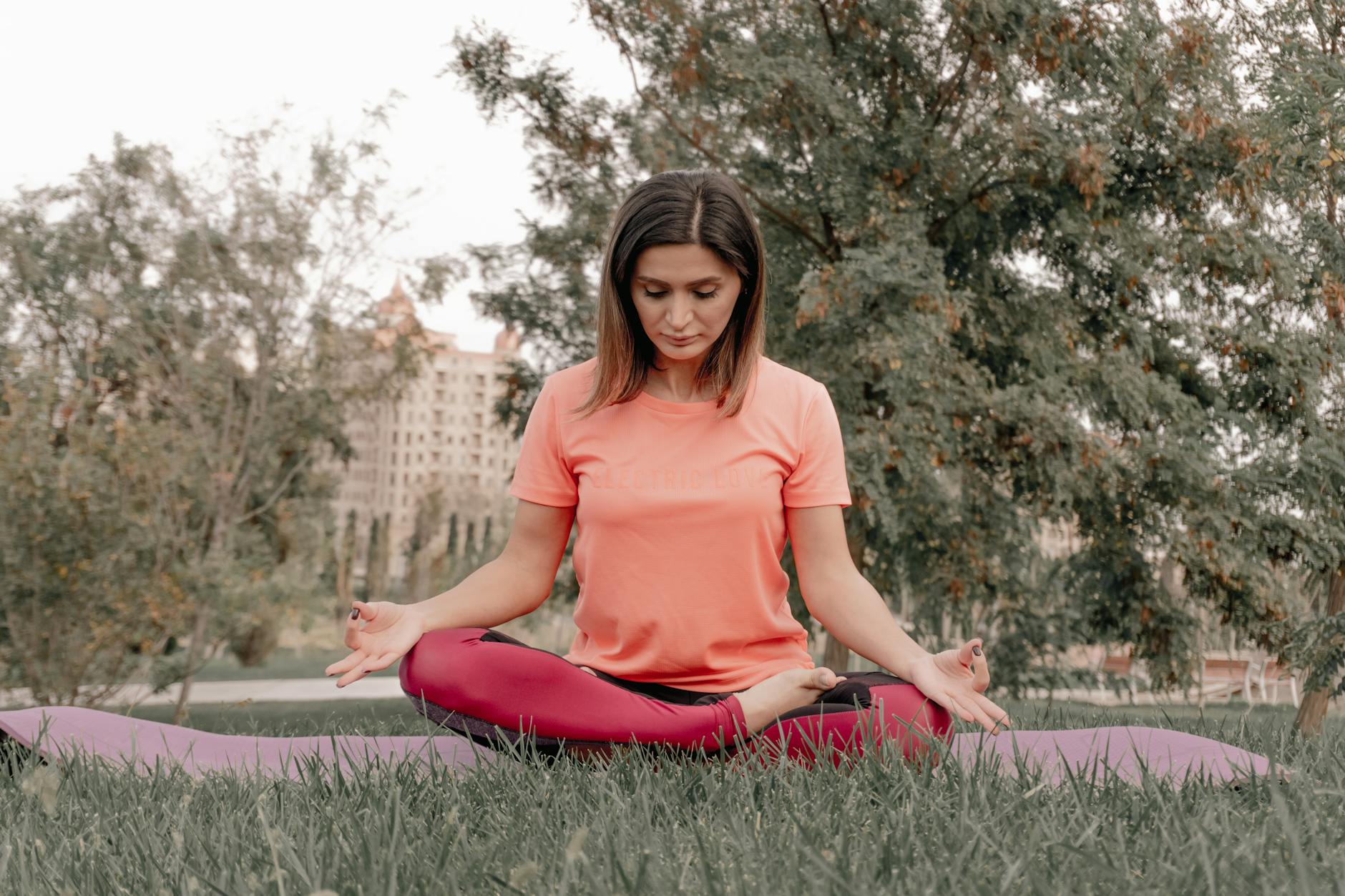
Leveraging all senses can enrich your practice. Feel your seat beneath you, follow the rise and fall of your breath, notice the scent of your candle, and the play of light on closed eyelids.
Techniques to Focus On
Mindful Breathing
Start with your breath. Inhale through your nose, hold, and exhale completely. A simple, yet profound method to ground yourself. According to NIH research, mindful breathing can slow heart rate and lower blood pressure.
Body Scan Meditation
Shift your focus systematically through your body. Start at your toes; work your way upward, welcoming all sensations as they come.
Loving-Kindness Meditation
Send out warmth—first to yourself, then to others.
“It nurtures compassion and empathy.”
— Dr. Maria Hernandez, Mindfulness Expert
When the Mind Wanders
Your mind will stray. It’s what minds do best. The trick? Gently guide your focus back to your breath. Remember, every return is a victory, not a setback.
“The magic lies in the return.”
— Sharon Salzberg, Meditation Luminary
Real-Life Examples: Transformation Stories
Consider Alex—a tech executive on the brink. Mindfulness, unconventional though it seemed at first, became his anchor. “My team noticed the shift—in attitude, in focus,” he confides. Then there’s Jessica, a college student submerged in exams and stress. “It was like turning on a light in a dim room,” she recounts.
Cultivating Consistency
Shift mindfulness from task to ritual. Until it becomes second nature, perhaps jot some reflections in a journal. Little notes on your mood and productivity post-meditation can offer enlightening insights.
Why This Practice Matters
Mindfulness is your bridge over the turbulent waters of modern existence toward that deep-seated need for tranquility. According to the American Psychological Association, routine practice diminishes depression and amplifies life satisfaction.
Nurture Through Mindfulness Meditation
Think of your mindfulness practice as nurturing a plant. With consistent care, your ability to remain centered amid life’s storms will flourish. If life’s chaos overwhelms, remember the serenity of this practice is yours to claim. Here’s wishing your mindfulness journey is filled with insight… and those quietly potent moments of clarity.
The Bottom Line
Mindfulness meditation is not just a trend; it’s a proven technique that can help restore balance to your life, making it easier to handle the chaos of modern living. Embrace the pause button and embark on your journey toward inner peace today.
Join 1.5M+ people using Hapday’s AI-powered tools for better mental health, habits, and happiness. 90% of users report positive changes in 2 weeks.