



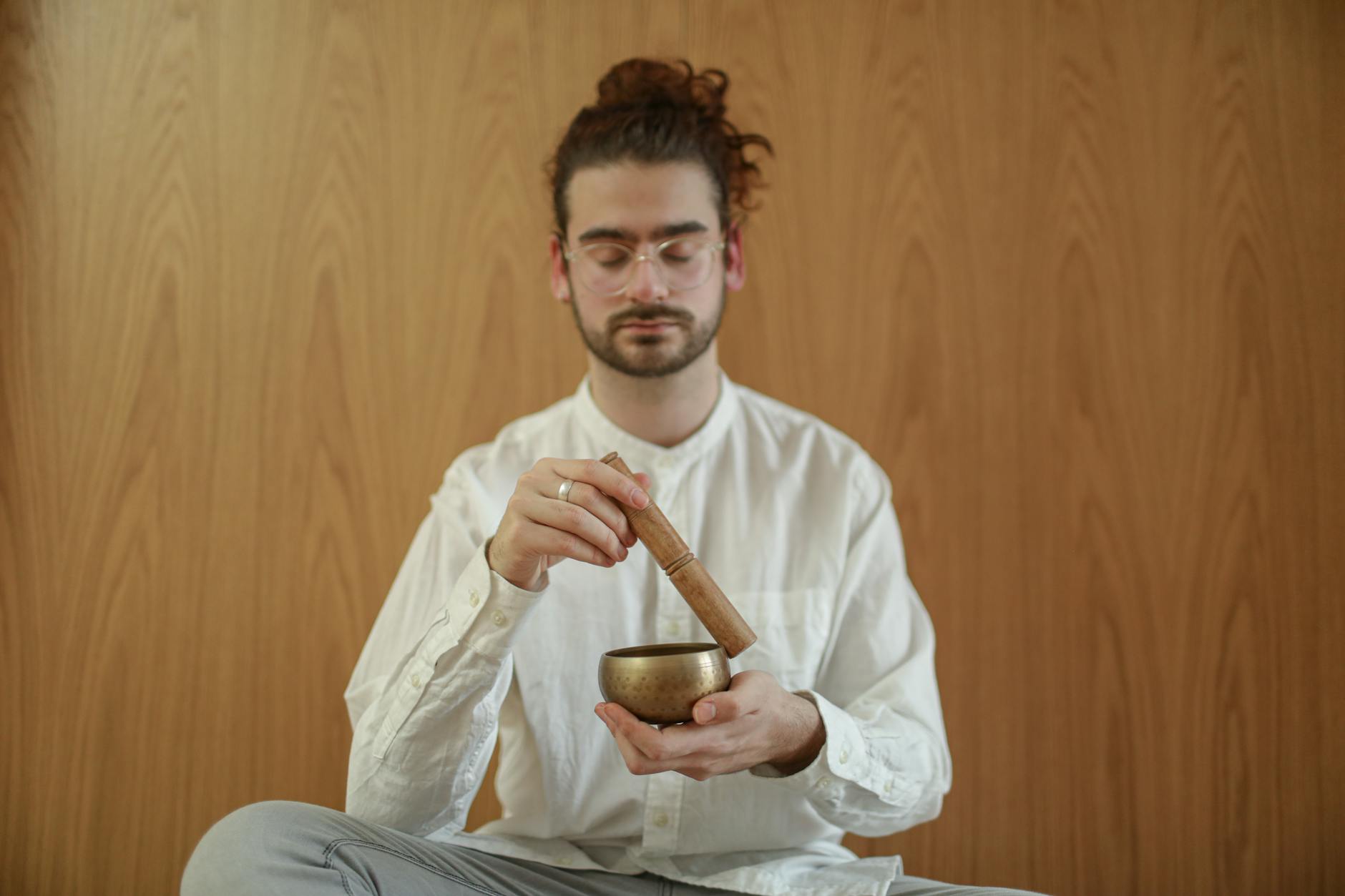
How to Practice Mindfulness for Everyday Calm: An Intimate Journey
Amid our hectic to-do lists and the soothing hush of our breath lies a sacred space. It’s here that mindfulness unfurls, turning life’s routine chaos into a haven of peace. Imagine a typical morning scenario: alarm blaring, coffee hurriedly brewed, a scramble to get out the door. Now, picture pausing—just for a moment—to hold that coffee cup mindfully. Feel the warmth in your hands, let the rich aroma waft up to greet you, each sip a gentle reminder you’re here, now. That’s mindfulness—a simple, yet deeply transformative practice that offers moments of everyday calm.
Years ago, my own life mirrored the relentless pace of an express train, a constant blur of crowded schedules with no respite to breathe. Then, one day, a friend introduced me to mindfulness during a crisp autumn afternoon.
“Think of it as yoga for the mind.”
— Friend
I was skeptical, sure, but intrigued. My journey began there, granting me presence amidst life’s chaos, and I’m eager to help you find your path, too.
Table of Contents
- Understanding Mindfulness: A Deep Dive
- The Science Behind Mindfulness: A Fusion of Old and New
- Getting Started with Mindfulness: Simple Steps, Profound Effects
- Integrating Mindfulness in Daily Life: A Subtle Alchemy
- Expanding Your Mindfulness Repertoire
- Surmounting Mindfulness Hurdles: Navigating Roadblocks
- Sustaining Mindfulness at Work: Navigating Professional Spaces
- Empowering Your Pursuit Towards Tranquility
- The Bottom Line
Key Takeaways
- Mindfulness helps anchor you in the present, reducing stress and increasing happiness.
- Simple practices like mindful breathing and body scans can be integrated into daily routines.
- Mindfulness enhances emotional resilience and clarity in both personal and professional contexts.
- Overcoming obstacles in mindfulness practice requires patience and kindness toward oneself.
Understanding Mindfulness: A Deep Dive
What really is mindfulness? At its essence, mindfulness is the deliberate act of paying attention to the present moment with open awareness and no judgement. Dr. Jonathan Green, a respected psychologist at Harvard, calls it
“bringing one’s complete attention to the present experience on a moment-to-moment basis.”
— Dr. Jonathan Green, Psychologist
But why should this pique your interest? A 2021 report from Harvard University uncovers a startling reality: almost half of our waking hours are spent lost in thought, disconnected from our actions, ultimately dulling our happiness. Mindfulness cuts through this fog, bringing us back to the now, uplifting our well-being.
The Science Behind Mindfulness: A Fusion of Old and New
Modern science echoes what ancient traditions have long championed: mindfulness is truly transformative. A landmark study from the American Psychological Association shows that regular mindfulness practice cuts stress and anxiety and can also boost memory, concentrate focus, and emotional clarity. Neuroimaging research—yes, they peeked inside our brains—reveals mindfulness increases gray matter density in areas linked to memory, learning, and emotional regulation.
Take Maya, who, at age 28, felt engulfed by the agonizing aftermath of a divorce. She discovered a mindfulness workshop by fate and attended, albeit skeptically. Yet, as she embraced these practices, Maya found her resilience grew stronger, her emotional chaos more manageable.
“It didn’t erase the pain, but it allowed me to face it with grace.”
— Maya, Mindfulness Practitioner
Getting Started with Mindfulness: Simple Steps, Profound Effects
No need for an elaborate setup to start practicing mindfulness. Begin right in the arms of your daily routine. Take a few thoughtful breaths at dawn. Observe the sensations while brushing your teeth. Savor each crunchy bite of your breakfast. Insert mindfulness smoothly into any activity.
“Mindfulness isn’t about reaching everlasting calm. It’s about greeting each moment with genuine awareness and understanding.”
— Dr. Sarah Chen, Clinical Psychologist
- Mindful Breathing: Your lifeline in disorder
- Body Scan Meditation: Sensing peace within
Nestle into a comfortable seat, and gently focus on your breath. Observe the inhalation, the exhalation, the tender rise and fall of your chest. Simple? Sure is. Breathing exercises soothe the nervous system, slashing anxiety by lowering cortisol—the notorious stress hormone.
Envelop yourself in a calming body scan: slowly shift your attention throughout your body, noting any sensations, tension, or discomfort. It’s a method of deep self-connection, interpreting your body’s silent language. Try it at bedtime for peaceful sleep, or midday for tension relief.
Integrating Mindfulness in Daily Life: A Subtle Alchemy
How does one blend mindfulness into a buzzing life? Imagine it as subtly incorporating veggies into a dish—beneficial and seamless.
- Mindful Eating: Alter how you experience food. Tune into biting, tasting, savoring. This practice doesn’t only heighten gratitude for meals, it also boosts digestion and helps manage weight mindfully.
- Walking Meditation: On your next walk, dial it down a notch. Feel the ground underfoot. Pay attention to your step’s cadence. Whether indoors or out, walking meditation turns mere locomotion into a refreshing odyssey.
Mindfulness doesn’t demand all your time. A few moments each day can illuminate your life’s path. If you find yourself overwhelmed or leaning towards half-hearted attempts, remind yourself—it’s a developing skill, honed step-by-step.
Expanding Your Mindfulness Repertoire
To deepen your practice, consider branching into these techniques:
- Mindful Reflection: Come day’s end—ponder your experiences. What brought gratitude? What tested you? Journaling is an invaluable avenue to process thoughts, embedding mindfulness into daily life.
- Guided Meditation: Apps and online portals are teeming with guided meditations to help you explore this inner realm profoundly. Meditations attuned to relaxation, focus, or gratitude offer versatile entryways.
- Mindful Listening: Next time you’re in conversation, give your full focus to the speaker. Absorb without mentally scripting replies. Cultivate this to bolster relationships, fostering depth and empathy.
Surmounting Mindfulness Hurdles: Navigating Roadblocks
Embarking on mindfulness, obstacles may surface. Don’t fret; frustration is not uncommon. Sarah, a bustling educator, initially grappled with maintaining consistency.
“Am I even getting this right?”
— Sarah, Educator
Remember—there’s no singular approach. If traditional sitting meditation doesn’t resonate, perhaps yoga or mindful culinary endeavors will.
“Be kind and patient. A wandering mind isn’t failure; redirecting focus strengthens your mental fortification.”
— Dr. Sarah Chen, Clinical Psychologist
Sustaining Mindfulness at Work: Navigating Professional Spaces
Bringing mindfulness into work boosts both productivity and contentment, research reveals. Studies from the National Institute for Occupational Safety indicate mindfulness interventions drastically alleviate workplace stress. Start small—mindful breaks to recalibrate. During stress bouts, mindfulness grants clarity, a serene pause preceding reaction.
Empowering Your Pursuit Towards Tranquility
Mindfulness transcends trendiness; it’s a meaningful shift in engaging with thoughts and emotions. Imbuing your life with mindfulness equips you to tackle hardships with poise and resilience. Revel in life’s moments fully—like savoring every note of a cherished song.
You’re capable—every mindful breath nudges you closer to an inner sanctuary of tranquility. As you nurture this practice, recall it doesn’t hinge on flawlessness—just presence. When mindfulness graces your life frequently, you’ll discern calm isn’t pursued; it becomes an inherent state.
So, take a deep breath. Open your heart. Let mindfulness seep through, guiding you to peace. Embark on this journey not as an escape, but as a full embrace of life. Allow it to anchor you amidst life’s unpredictable ebb and flow.
The Bottom Line
Mindfulness is an ongoing journey, not a destination. With dedication and gentle persistence, it can lead you to greater peace and emotional resilience. Embrace the process, and allow mindfulness to transform your engagement with life’s moments.
References
- Harvard University News, 2021
- American Psychological Association
- Mayo Clinic
- National Institute for Occupational Safety
Join 1.5M+ people using Hapday’s AI-powered tools for better mental health, habits, and happiness. 90% of users report positive changes in 2 weeks.