


Finding Inner Peace: The Art of Mindful Breathing
Table of Contents
- A Gentle Whisper of Calm
- The Science Behind Mindful Breathing
- Embarking on Your Mindful Breathing Journey
- Mindful Breathing in Everyday Life
- The Ripple Effect: Beyond Self
- Breathing into a New Chapter
- From Intention to Habit: Crafting Your Breath-Care Ritual
- Empowering Forward Steps
- The Bottom Line
A Gentle Whisper of Calm
Late nights can be quite unsettling, can’t they? The quiet seems deafening, almost like a shout clamoring for attention. With your mind whirling—full to brimming with work stress, relational tangles, or that ever-present restlessness—it’s little wonder sleeplessness ensues. You’re definitely not isolated in this cycle; countless people are on the lookout for ways to silence the internal clamor and grasp even a sliver of peace in a whirlwind world. What’s one simple yet profoundly effective remedy? Mindful Breathing.
The Science Behind Mindful Breathing
Why does this practice seem so effective anyway?
“Mindful breathing flips on the parasympathetic nervous system, our body’s unwinding mechanism. It reduces cortisol, one of our stress hormones, imparting a sense of calm.”
— Dr. Sarah Chen, Clinical Psychologist, NYU
A 2021 Harvard Medical School study revealed that regularly practicing mindful breathing not only diminishes stress but also enhances emotional regulation and cognitive abilities by nurturing new brain connections. This underscores how a simple pause can have a profound effect on our mental and emotional wellness.
Embarking on Your Mindful Breathing Journey
Imagining Serenity: Visualize yourself—a quiet beach at sunrise, a pristine forest in the early morning. Feel the rhythmic rise and fall of your chest as you inhale and exhale slowly. That’s where mindful breathing takes root.
Step into the Present
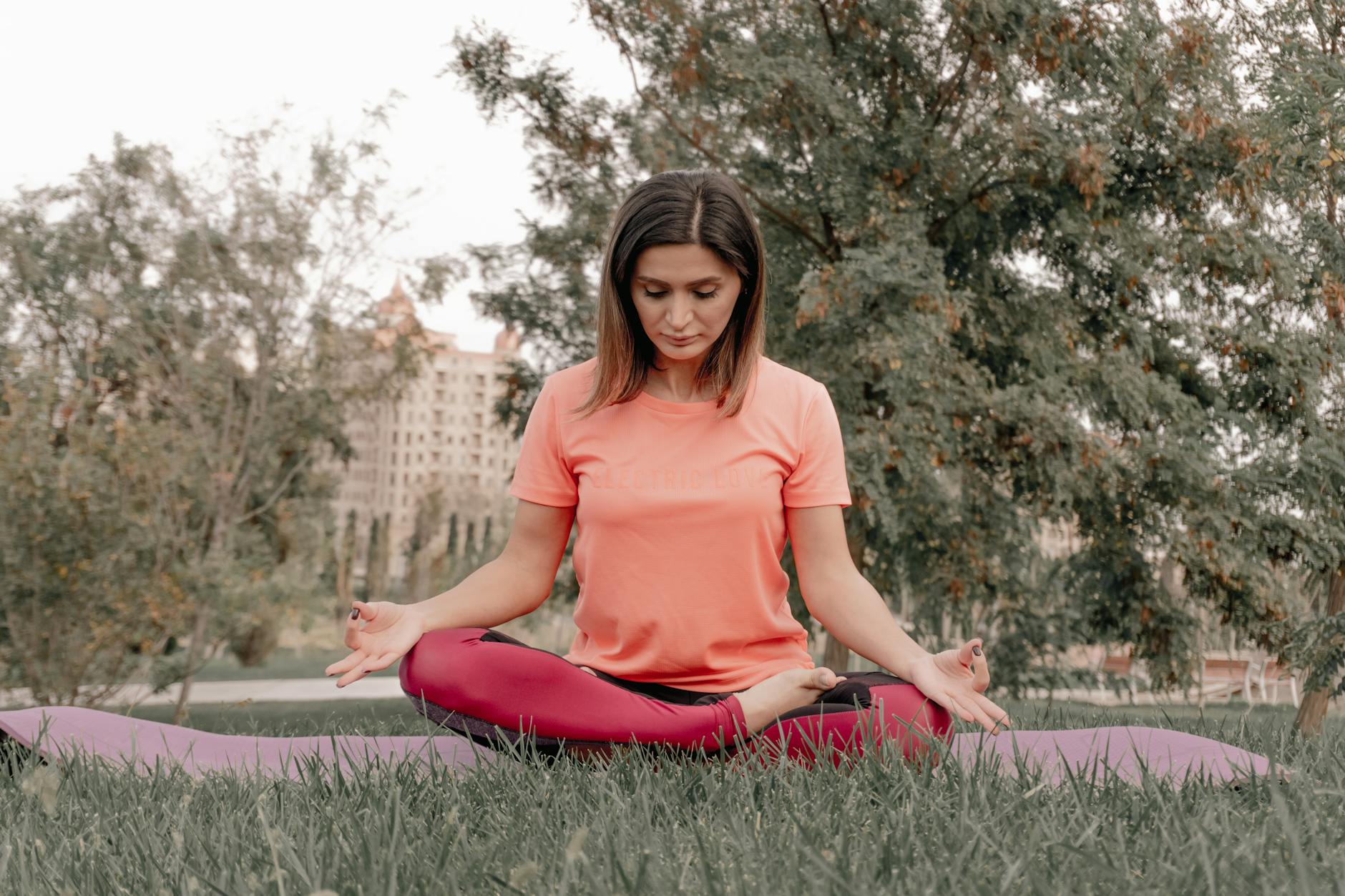
The initial step in harnessing the power of mindful breathing is incorporating deliberate pauses into your day to breathe with awareness. Carve out just five minutes, either morning or evening. Sit yourself comfortably, close your eyes, and embark with deep, cleansing breaths—through your nose and out your mouth.
“Once you refine the art of pausing to exhale and inhale mindfully, it transforms your emotional processing. You halt reactionary tendencies and cultivate responsive clarity.”
— Dr. Raj Patel, Mindfulness Educator
The 4-7-8 Technique
Among the effective methods is the 4-7-8 technique, advised by Dr. Andrew Weil from Arizona Center for Integrative Medicine. Inhale via the nose for four counts, hold for seven, and exhale for eight. Cycle this thrice. This practice not only grounds you but also fortifies the nexus between mindfulness and the autonomic nervous system, fostering emotional balance.
Mindful Breathing in Everyday Life
Feelings of anxiety and stress often occur unpredictably—whether amid a tense meeting or an overwhelming commute. Mastering the art of mindful breathing can convert these tests into moments of growth and tranquility. So, how does this work in reality?
- When Anxiety Strikes: On the brink of a consequential presentation, your heart thumps loudly. Pause for a mere moment, preferably with closed eyes, and inhale deeply thrice. Notice how each exhalation siphons away tension. This tiny act can downscale your stress, equipping you to tackle pressure with mental clarity and calm composure.
- Dealing with Conflict: Conversations can veer off into arguments rapidly, escalating emotions in the process. Next time you encounter such a scenario, take a step back for a brief pause, utilizing mindful breathing. This maneuver not only defuses the tension but also ensures your reactions are measured and thoughtful.
The Ripple Effect: Beyond Self
Regular mindful breathing doesn’t just harbor personal tranquility—it enhances our interactions and relationships. Kelly, 35, recounts,
“Breathing practices metamorphosed my interactions. Not only did I find peace, but my ability to connect with others deepened. I feel more present, empathetic, truly listening.”
— Kelly, Mindfulness Practitioner
Dr. Chen elaborates,
“Emotional equilibrium garnered through mindful breathing engenders compassion and patience. By managing one’s own emotions, a more positive and peaceful environment naturally enfolds others too.”
— Dr. Sarah Chen, Clinical Psychologist, NYU
Breathing into a New Chapter
Inviting how to find inner peace through mindful breathing isn’t only about the practice itself. It’s an expedition toward a richer self-understanding. It’s acknowledging your need for tranquility and permitting yourself to savor the present amid life’s manifold demands.
How do you weave this into a consistent habit? Consistency is crucial. Infuse mindful breathing into everyday routines as anchors—before meals, on awakening, at bedtime. By linking this practice to regular moments, it becomes second nature.
From Intention to Habit: Crafting Your Breath-Care Ritual
To engrain mindful breathing into daily life, create a personal ritual. Reserve a dedicated spot in your dwelling—by a window, where light and tranquility embrace. Introduce calming ingredients—a flickering candle, a soothing playlist—breathing peace into your space.
Empowering Forward Steps
Are you visualizing instances where mindful breathing can serve as your sanctuary? Perceive it not as a task, but as an act of tenderness toward yourself. As you nurture this bond with your breath, you’re not merely reaching for fleeting moments of peace but constructing a resilient fortress for mental and emotional health.
The breath—a steadfast companion. It is our anchor amidst tumult. It’s ever-present, guiding us back to now.
In a ceaselessly busy world, discovering solace in mindful breathing is an ode to the simple, understated, tranquil. It’s trusting in the unseen potency of breath—a tool readily available to cultivate peace and presence.
Key Takeaways
- Mindful breathing activates the parasympathetic nervous system, reducing stress and enhancing emotional regulation.
- Incorporating practices like the 4-7-8 technique can foster emotional balance and cognitive clarity.
- Regular mindful breathing can significantly improve personal relationships and boost empathy.
- Creating a personal ritual around mindful breathing helps establish it as a lasting habit.
The Bottom Line
Embracing mindful breathing is not just a practice; it’s a journey towards deeper self-awareness and emotional stability. By integrating this practice into your daily routines, you empower yourself to foster inner peace and resilience against life’s challenges.
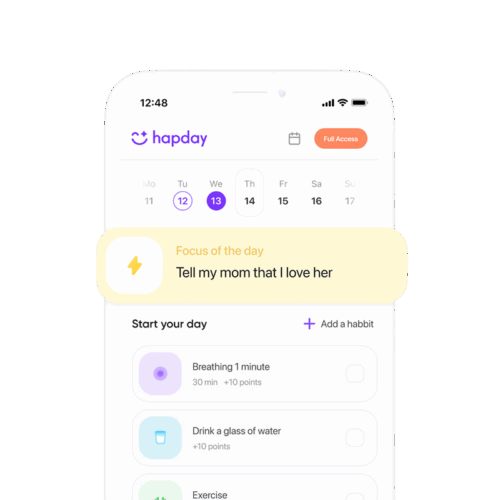
Experience the transformative journey of mindfulness and wellness through guided sessions, habit tracking, and personal encouragement with Hapday AI Life Coach. Begin your path to emotional balance today by downloading the app.
References
Harvard Health Publishing; Mayo Clinic.
Join 1.5M+ people using Hapday’s AI-powered tools for better mental health, habits, and happiness. 90% of users report positive changes in 2 weeks.