


Finding Inner Peace with Mindful Breathing: A Journey to Balance
Table of Contents
- The Power of Breath: More Than Mere Air
- The Science Behind Mindful Breathing
- Real-World Experiences: How Breathing Changed Lives
- How to Implement Mindful Breathing into Daily Life
- Why It Works: The Psychological Impacts
- Addressing Modern-Day Challenges
- Moving Forward: A Commitment to Yourself
Picture this: chaos swirling around—you’ve got work deadlines screaming like thunder, personal demands striking as sharp as lightning, and yes, anxiety pouring down like relentless rain. In this wild storm, there’s a small sanctuary—a quiet corner anchored by one simple thing. Your breath. Sounds too good to be true? It’s not. This peaceful refuge isn’t a distant oasis; it’s right inside you, accessible whenever you decide to pause and breathe mindfully.
For countless individuals, the hunt for inner peace feels a bit like searching for a sky blue patch in a maze of gray storm clouds. Mindful breathing might just be the straightforward, profound remedy you’ve long been seeking. Feeling overwhelmed, anxious, or just plain disconnected? Trust me, you’re in good company. Mindful breathing offers a grounding path back to self-awareness, allowing tranquility to sneak back into your life whenever it’s needed most.
The Power of Breath: More Than Mere Air
We breathe thousands of times a day—often without a second thought. Yet, when approached with mindfulness, it transforms into a potent instrument for change. Not convinced? A publication from the American Psychological Association outlines how mindful breathing can vastly lower stress levels and enhance mental clarity. This meditation form helps you stay in the ‘now’, creating a calm island amid life’s turmoil.
“Mindful breathing anchors you amidst constant mental tides, reminding you poignantly that you’re not just a bundle of thoughts. This practice nurtures awareness and spaces between stimulus and response, redefining how stress affects us.”
— Dr. Sarah Chen, Clinical Psychologist
The Science Behind Mindful Breathing
It’s basic, right? Breathing? But it has profound effects. Understand the science, and it’s clear. Deep, mindful breathing activates the parasympathetic nervous system—our body’s “rest and digest” mode, countering the “fight or flight” reaction triggered by stress.
A study by Harvard Health Publishing tells us how mindful breathing slashes cortisol levels—our friend’s the stress hormone—ushering in relaxation instead. This breath-centric practice restores harmony by slowing heart rate, reducing blood pressure, and grounding us in newfound calm. In every sense, it’s a refreshing breath of rejuvenation for mind and body.
Real-World Experiences: How Breathing Changed Lives
Meet Maya. At 28, grappling with divorce, she found herself awash with emotions. Anxiety overshadowed her once sunny disposition. During a support group meeting, she stumbled upon mindful breathing. Committing just a few minutes each day, she began to detect changes in her resilience and outlook. Her breath became a compass, steering her steadily through life’s unpredictable landscape.
“Breathing told me it was okay to not instantly have all the answers. It taught me to pause, gather myself, and handle challenges with a calmer heart.”
— Maya, Mindful Breathing Practitioner
How to Implement Mindful Breathing into Daily Life
Think you need hours and a zen garden to benefit from mindful breathing? Not at all. It’s accessible, adaptable, and entirely feasible. Here’s how you could ease into making it a part of your routine:
- Find Your Moment: Begin with five minutes a day. Whether after waking, midday, or winding down, choose a time that fits.
- Sit Comfortably: Choose a position to sit up straight yet relaxed. Allow your lungs to expand fully while remaining at ease.
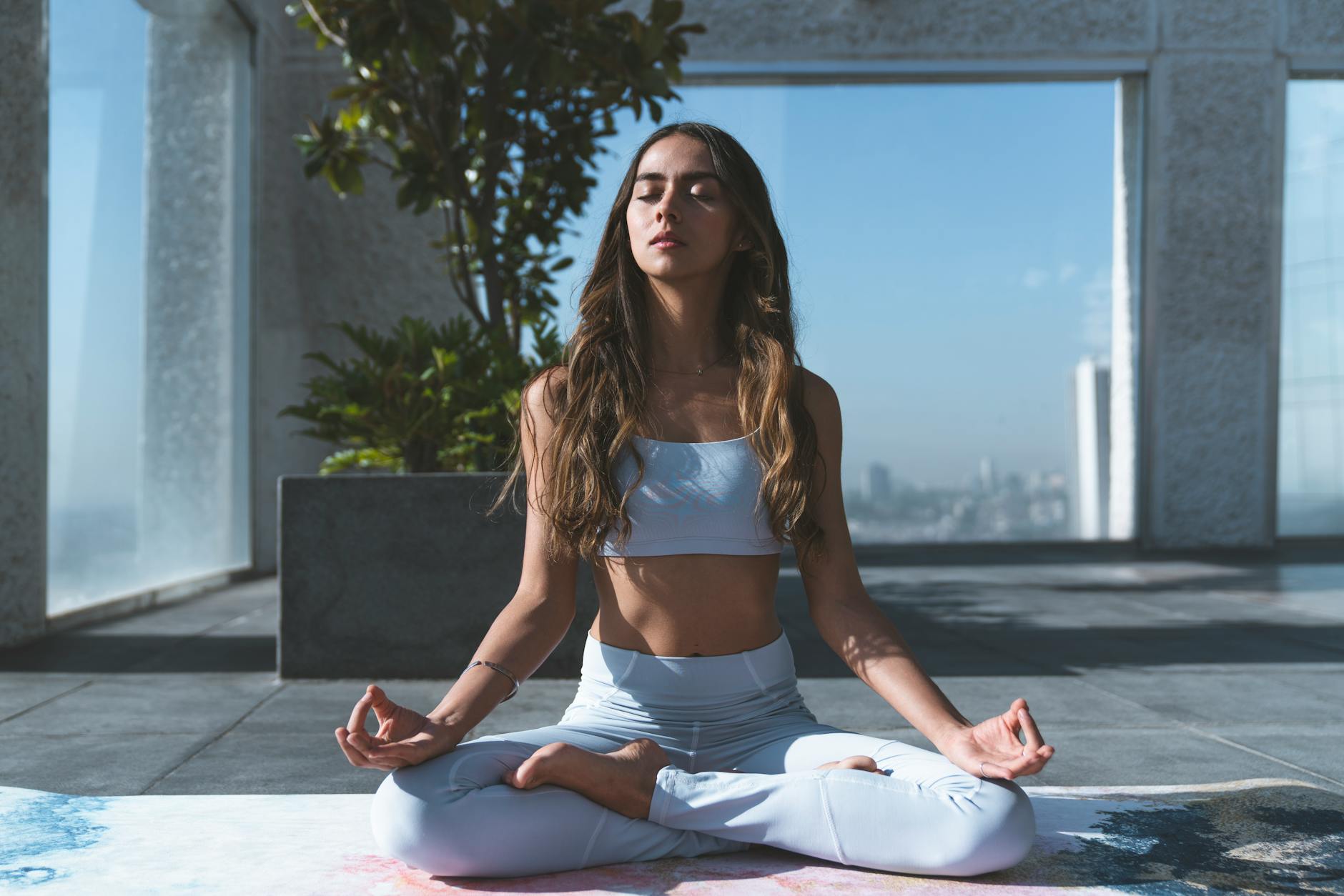
- Focus on Your Breath: Gently close your eyes. Inhale through your nose, let your diaphragm do the work, your belly expand. Exhale slowly. Notice the air moving in and out.
- Acknowledge Distracting Thoughts: Your mind will drift—that’s fine. Just notice the thoughts, and gently guide your focus back to your breath.
- Use Guided Sessions: Newcomers might find guided sessions invaluable. Online resources and apps offer step-by-step instructions to deepen practice.
Why It Works: The Psychological Impacts
Mindful breathing’s impact stretches beyond mere physical relaxation. Regular mindfulness changes brain neural pathways, boosting emotional control and cognitive flexibility. It’s linked with less anxiety, better focus, and a brighter life outlook.
“Mindful breathing reshapes your brain’s amygdala—the part behind stress responses—leading to less reactivity and better stress handling.”
— Dr. Laura Modica, Brain Scientist
Addressing Modern-Day Challenges
In today’s breakneck world, adrift with anxiety, stress keeps boiling over. Social media, work demands, info overload—it’s a relentless loop. Mindful breathing is like hitting pause—letting you retreat within and address emotions constructively.
Consider Alex, a 32-year-old techie drowning in burnout. Constant internet connectivity left him drained, in perpetual alert mode. By slipping mindful breathing into his day, Alex found pockets of peace in the chaos.
“Even amidst hectic spells, my breath is my sanctuary. It’s where I recharge and refocus.”
— Alex, Tech Industry Professional
Moving Forward: A Commitment to Yourself
Committing to mindful breathing is about prioritizing yourself in nurturing ways. It’s not succeeding that matters—but exploring your mental terrain with kindness. Remember, you’ll find that peace is a journey, not a destination—a continual practice, one breath at a time.
As you set forth on this mindful journey, remember that transformation unfolds with patience and practice. Celebrate small victories as they breathe life into your everyday, reshaping your relationship with stress and life’s chaos.
Key Takeaways
- Mindful breathing is a powerful tool for achieving inner peace in a chaotic world.
- Regular practice can reduce stress hormones and improve overall mental clarity.
- It enhances emotional control and cognitive flexibility, reshaping our stress responses.
- Real-life stories illustrate the transformative impact of incorporating mindful breathing.
- It’s a simple practice that can fit into anyone’s daily routine, requiring just a few minutes.
The Bottom Line
Transforming your experience with stress and chaos is achievable through mindful breathing. It offers a path to inner calm and resilience, empowering you to navigate life’s challenges with grace. Explore this journey patiently, embracing each breath along the way.
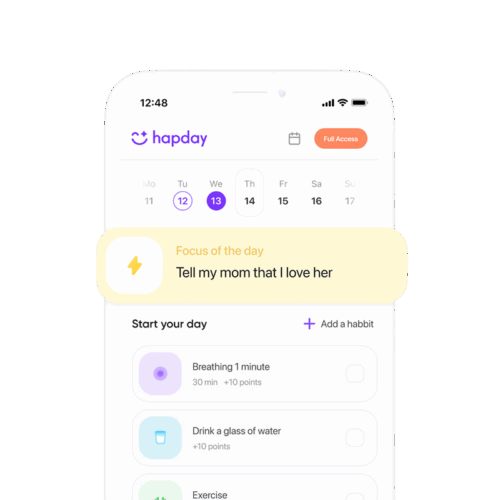
Curious about mindful breathing as a path to inner peace? Try partnering your practice with support from Hapday AI Life Coach. Explore 24/7 guidance with Hapday AI Life Coach on the App Store to begin your personalized wellness adventure.
Join 1.5M+ people using Hapday’s AI-powered tools for better mental health, habits, and happiness. 90% of users report positive changes in 2 weeks.