



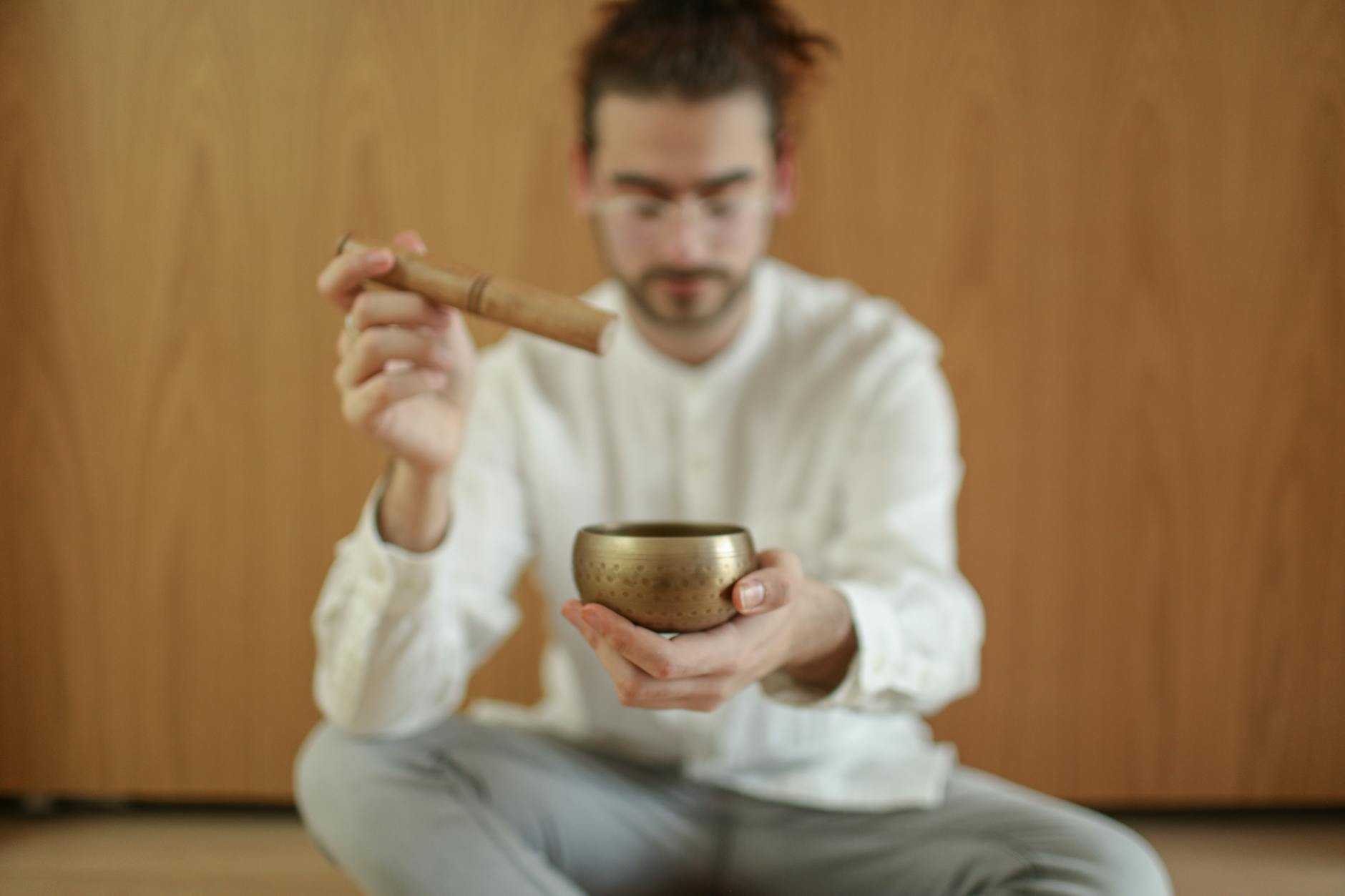
Finding Emotional Wellbeing: Daily Mindfulness Tips
Early morning light has its own magic, doesn’t it? A moment of calm serenity before the chaos ensues, whispering promises of potential in the air. Imagine being like Maya, a 28-year-old from Brooklyn, who once shared,
“Every morning, I wake up with a racing mind, buried under the weight of expectations and fears.”
— Maya, Brooklyn Resident
For her, mindfulness was the refuge she needed, and perhaps her journey might reflect your own quest, pointing towards emotional wellbeing through small, intentional practices each day.
Table of Contents
- Mindfulness and Emotional Wellbeing: The Connection
- Morning Rituals: Start Your Day with Intent
- Find Your Mindful Moments
- Mindful Breathing: The Anchor in Chaos
- Find Solace in Nature
- The Power of Gratitude
- Connect Mindfully with Others
- Embrace Imperfection
- Finding Balance: An Empowering Conclusion
Mindfulness and Emotional Wellbeing: The Connection
Before diving into methods, grasping the link between mindfulness and emotional wellbeing sets the groundwork.
“Mindfulness breaks the cycles of overthinking and stress by anchoring your focus in the present moment. Practicing mindfulness diminishes anxiety and stress while strengthening attention and empathy.”
— Dr. Sarah Chen, Psychologist at NYU
This is no mere hypothesis. In 2021, the American Psychological Association noted that mindfulness meditation boosts positivity and diminishes emotional volatility. It provides tangible coping skills shielding us from stress. Evidence like this highlights how mindfulness not only regulates emotions but also builds resilience, making life’s ups and downs more manageable.
Morning Rituals: Start Your Day with Intent
Picture this alternative: waking not to your alarm but alongside the sun—taking a moment to breathe before leaping out of bed. It seems a small shift, yet it invites peace right at the day’s onset.
Why it works: Embracing peace at dawn can set the day’s tone, minimizing stress and sharpening focus. Interestingly, the cortisol awakening response—your key stress hormone—reaches its peak in the morning. Approaching your day with calm can prevent this hormone from spiraling into anxiety, according to data from 2020 by the National Center for Biotechnology Information.
How to do it: Try a breathing exercise—inhale for four seconds, hold, exhale, pause—all for four counts each. This technique, known as box breathing, helps steady both mind and body.
Find Your Mindful Moments
Everyday moments—a walk, a meal, patiently waiting—can transform into opportunities for mindfulness.
Backed by Science: Harvard research suggests our minds are adrift nearly 47% of the time, leading to distraction and unhappiness. Being mindful can decidedly boost your mood (Harvard Study, reported in 2021).
Strategy: During your commute, notice your environment rather than your phone. These small awareness acts offer grounding moments, decreasing anxiety.
Mindful Breathing: The Anchor in Chaos
No cross-legged positions or incense are necessary; mindful breathing is universally accessible, any time, any place—your emotional anchor.
“Breath acts like the remote control for your brain. Mastering it gives you the capacity to alter your mind and emotions.”
— Dr. Mark Williams, Oxford
Put it to Practice: Dedicate time thrice daily for mindful breathing. Close your eyes, and simply focus on your breathing, your chest rising and falling. For those intensely busy days, apps like Calm or Headspace offer guided assistance at your fingertips.
Find Solace in Nature
When Maya felt the walls of her small apartment closing in, nature provided respite. Nature isn’t merely a background; it’s a sanctuary for healing.
The Evidence: Research from the University of Essex reveals that even five minutes in the great outdoors significantly elevates mood and self-esteem.
Seek Your Green Haven: Whether it be a city park or a mountainous trail, make nature your habit. Notice the colors, the symphony of sounds, the sensations—the wind brushing over your face, leaves crunching underfoot. Such immersion allows a serene detachment from routine worries.
The Power of Gratitude
Gratitude stands as a central pillar of emotional wellbeing, counteracting negativity and anxiety. When practiced mindfully, joy becomes more noticeable.
Insightful Discoveries: Robert Emmons, a top gratitude researcher, found that maintaining gratitude journals enhances physical and psychological health, improving relationships remarkably (University of California, Berkeley in a 2019 report).
Give it a Go: Each night, write down three things you’re thankful for. This exercise primes your mind for positive experiences, nurturing a general sense of wellbeing.
Connect Mindfully with Others
Mindfulness transcends solitude; it shapes the way we connect with others. Mindful engagement cultivates deeper connections, reducing isolation.
Social Dynamics: Mindfulness fosters active listening and empathy—essential traits for nurturing resilient relationships, says Dr. Kristin Neff at the University of Texas.
Engage Meaningfully: Make time for focused, distraction-free conversations. When listening to a friend, give them your full attention without composing your reply. Notice their tone, their expressions—foster empathy, deepen connections.
Embrace Imperfection
Perfectionism hinders emotional wellbeing, often leading to burnout. Mindfulness allows acceptance of imperfections and embracing life’s messiness.
“Mindfulness isn’t synonymous with perfection; it’s about embracing grace. It’s about letting go and accepting oneself in totality.”
— Dr. Mark Williams
In Practice: When faced with a mistake or setback, pause to breathe. Accept it without passing judgment, learn, and move ahead. This reduces stress, builds resilience, and encourages self-kindness.
Finding Balance: An Empowering Conclusion
View mindfulness not just as a task but as a continuous journey toward emotional wellbeing. Although life, with its intricate tapestry, poses challenges, each mindful moment—no matter how brief—encourages transformative change within.
Should life’s emotional tides feel tumultuous, recognize that mindfulness is not an escape, but an embrace of the present. With these practices, every day offers an opportunity for self-centering—embracing tranquility amidst life’s chaos. You’re not merely surviving; you’re intentionally thriving.
Key Takeaways
- Mindfulness promotes emotional wellbeing by reducing stress and anxiety.
- Incorporating small rituals, such as mindful breathing and gratitude journaling, can significantly elevate your mood.
- Engaging with nature positively impacts mental health and self-esteem.
- Deepening connections with others through active listening fosters resilience.
- Embracing imperfections leads to greater self-acceptance and emotional balance.
The Bottom Line
Mindfulness is a powerful tool for nurturing emotional wellbeing. By dedicating time to be present, practice gratitude, and engage authentically with ourselves and others, we can transform our daily experience into a journey of growth and resilience.
Join 1.5M+ people using Hapday’s AI-powered tools for better mental health, habits, and happiness. 90% of users report positive changes in 2 weeks.