



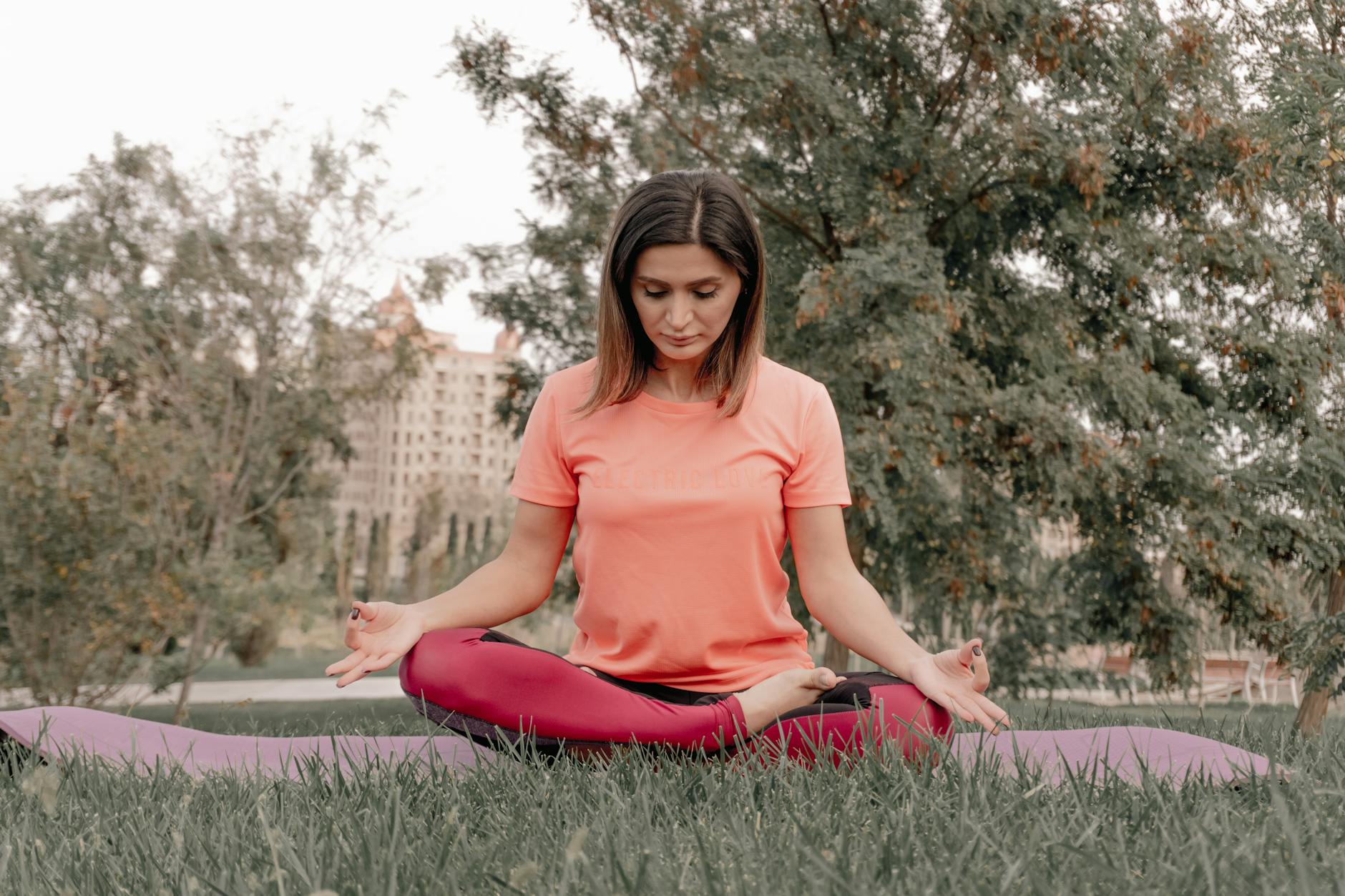
How to Cultivate Inner Calm Through Mindfulness
Table of Contents
- The Urgency of Calmness
- Understanding Mindfulness and Its Benefits
- The Science Behind Mindfulness
- Embracing Mindfulness in Everyday Life
- Address Potential Roadblocks
- Mindfulness for Personal Growth and Emotional Wellbeing
- How Mindfulness Can Transform Your Relationships
- A Gentle Guide to Starting Your Mindfulness Practice
- Looking Forward
The Urgency of Calmness
Ever feel like you’re standing on the precipice, with life’s demands and stresses whipping around you like a fierce storm? A striking report by the American Psychological Association not long ago revealed that stress levels among Millennials and Gen Z have skyrocketed, fueled by job worries, social disruptions, and the relentless rush of digital connections. This constant pressure isn’t just an abstract concept; it morphs into anxiety, burnout, that chronic nagging unease.
But if we’re perched on this edge, what’s the anchor? Mindfulness offers an answer—this practice invites you to live right here, in the present.
“Mindfulness is like a reset button for the mind. It’s a moment to observe thoughts and emotions, and then tackle life’s challenges with a clearer head.”
— Dr. Sarah Chen, Clinical Psychologist at NYU
Understanding Mindfulness and Its Benefits
Let’s get this straight: mindfulness isn’t just a passing trend. Far from it. It’s a profound practice with roots that reach deep into ancient meditation traditions. At its core, it’s about deliberately paying attention to the present—without judgment.
The chorus of benefits singing in favor of mindfulness is reflected in myriad studies. Back in the day, a Harvard University study outlined that mindfulness meditation boosts the density of gray matter in brain areas tied to memory, emotional regulation, and learning.
Consider Maya, 28, who’s been through the wringer with her divorce. She described that period as if life was slipping through her fingers. Till, that is, she attended a mindfulness workshop. There, in learning to focus on her breath and embrace her emotions, she found her balance again.
The Science Behind Mindfulness
Mindfulness isn’t just a feel-good concept—it reshapes how our brain handles stress. Practicing mindfulness revs up the prefrontal cortex (the part that houses decision-making and empathy) while toning down activity in the amygdala, the hotspot for fear responses.
“With regular practice, mindfulness fosters a deeper connection within ourselves, fundamentally altering how we perceive both ourselves and the world.”
— Dr. John Kabat-Zinn, Visionary Behind Mindfulness-Based Stress Reduction
Embracing Mindfulness in Everyday Life
Starting on this mindfulness journey doesn’t mean throwing your whole life up in the air. Small steps count—quite significantly. How about some ways to bring mindfulness into your everyday activities?
- Mindful Breathing: Mindful breathing—a pure, undiluted form of mindfulness. Just five minutes a day, focusing on your breath. The inhale, the exhale. This exercise grounds your thoughts, calming the mental storm. Why’s this effective? Deep breathing activates the parasympathetic nervous system, reducing cortisol—the infamous stress hormone.
- Mindful Eating: Next meal, try to step away from screens. Engage your senses with your food’s color, texture, taste. Alex, a busy marketing exec, found that this simple shift at lunch reduced his afternoon energy crashes dramatically—a testament to slowing down chaos.
- Body Scan Meditation: Before sleep, do a body scan meditation. Soften your eyes, let your mind drift over each body part, easing tensions away. Studies have shown regular body scans can lessen muscle tension and lower heart rates—paving the way for restful slumber.
Address Potential Roadblocks
Everyone hits roadblocks on their mindfulness journey. A wandering mind, impatience, doubt—they’re all part of it. Recognize these challenges, but don’t judge them. Acknowledge them like a passing cloud, bringing thoughts back to the present.
“The biggest mistake in learning mindfulness is aiming for an empty mind. Acknowledge and gently steer.”
— Dr. Sarah Chen, Clinical Psychologist at NYU
Mindfulness for Personal Growth and Emotional Wellbeing
Beyond the calmness, mindfulness encourages personal growth and emotional health. Sharpening your attention helps decode the habitual patterns, emotions, and triggers. Such self-awareness can lay the groundwork for navigating life’s challenges with poise. Think on this: in 2020, a Stanford study found participants who reflected on their mindfulness experiences reported enhanced emotional intelligence and resilience.
How Mindfulness Can Transform Your Relationships
Mindfulness goes beyond personal space—it enriches relationships. By being truly present and listening actively, relationships deepen, becoming more empathetic, less reactive, and gaining genuine understanding. Jamie, 32, noticed how her family ties grew richer. “I was always glued to my phone, not truly there in conversations,” she confesses. “Mindfulness taught me to listen without jumping in, deepening empathy and connections.”
A Gentle Guide to Starting Your Mindfulness Practice
Begin this mindfulness adventure smoothly. Here’s a flexible roadmap:
- Set a Dedicated Time: Pick the quiet of early morning or the stillness before bedtime.
- Find a Comfortable Space: Nestle in your favorite room corner or the park’s inviting bench.
- Start Small: Five to ten minutes is plenty to begin with—ease deeper gradually.
- Use Guided Meditations: New to this? Apps like Headspace or Calm offer guided sessions.
- Keep a Journal: After practice, note down observations—your mental state, flashes of insight, even just how your body felt.
Looking Forward
Crafting inner calm through mindfulness is no instant fix. Patience required. Persevere, and the changes in how you perceive and react to the world can be profound. The road may have its bumps, but every mindful moment brings you closer to solace.
It’s very possible you’re fighting unseen battles. But remember, the path to peace is within your grasp. Each moment spent on mindfulness is a step toward repossessing tranquility.
Key Takeaways
- Mindfulness acts as an anchor in the face of life’s chaos, helping you to reconnect with the present moment.
- The practice is rooted in ancient traditions and comes with numerous benefits supported by scientific research.
- Simple techniques like mindful breathing, eating, and body scans can easily integrate into daily life.
- Mindfulness fosters personal growth, emotional resilience, and improves relationships through active listening and empathy.
The Bottom Line
Cultivating inner calm through mindfulness is a journey of small, consistent steps. It requires patience but offers transformative benefits for emotional wellbeing, personal growth, and deeper relationships. Remember, each mindful moment is a step closer to reclaiming your tranquility.
Feeling swamped? Discover more ways to thread calm into your life with Hapday AI Life Coach. It offers bespoke guidance on your mindfulness journey. Learn more and download it today on Apple.
Join 1.5M+ people using Hapday’s AI-powered tools for better mental health, habits, and happiness. 90% of users report positive changes in 2 weeks.