

How to Stay Present: Inner Calm Essentials
Table of Contents
- Understanding Presence
- The Science Behind Presence and Calm
- Techniques for Staying Present
- Emotional Resilience Through Presence
- Staying Present in Relationships
- Overcoming Common Barriers
- The Role of Self-Compassion
- Implementing Inner Calm Essentials in Daily Life
- Final Thoughts
- References
Understanding Presence
To be present is to embrace the now, fully and without judgment. Remember that study from 2010? Killingsworth and Gilbert found nearly half of our waking hours are spent lost in thought elsewhere, leading to discontent. So often, in staying more present, stress diminishes, happiness blooms. A simple truth, yet vital for our inner harmony.
The Science Behind Presence and Calm
Did you know that being attuned to the present moment kindles the parasympathetic nervous system? It lowers heart rate, calms the mind… The journal “Psychosomatic Medicine” once mentioned mindfulness could alleviate anxiety and depression symptoms by nearly 58%! This isn’t just theory; it’s practice for anyone yearning for emotional steadiness and clarity.
Techniques for Staying Present
1. Mindful Breathing
A tool at your disposal: mindful breathing. Concentrating on each breath tethers your wandering mind. Ever tried the 4-7-8 technique? Inhale for four, hold for seven, exhale for eight. It’s a great way to fend off stress, allowing calm to surface.
2. Meditation Practices
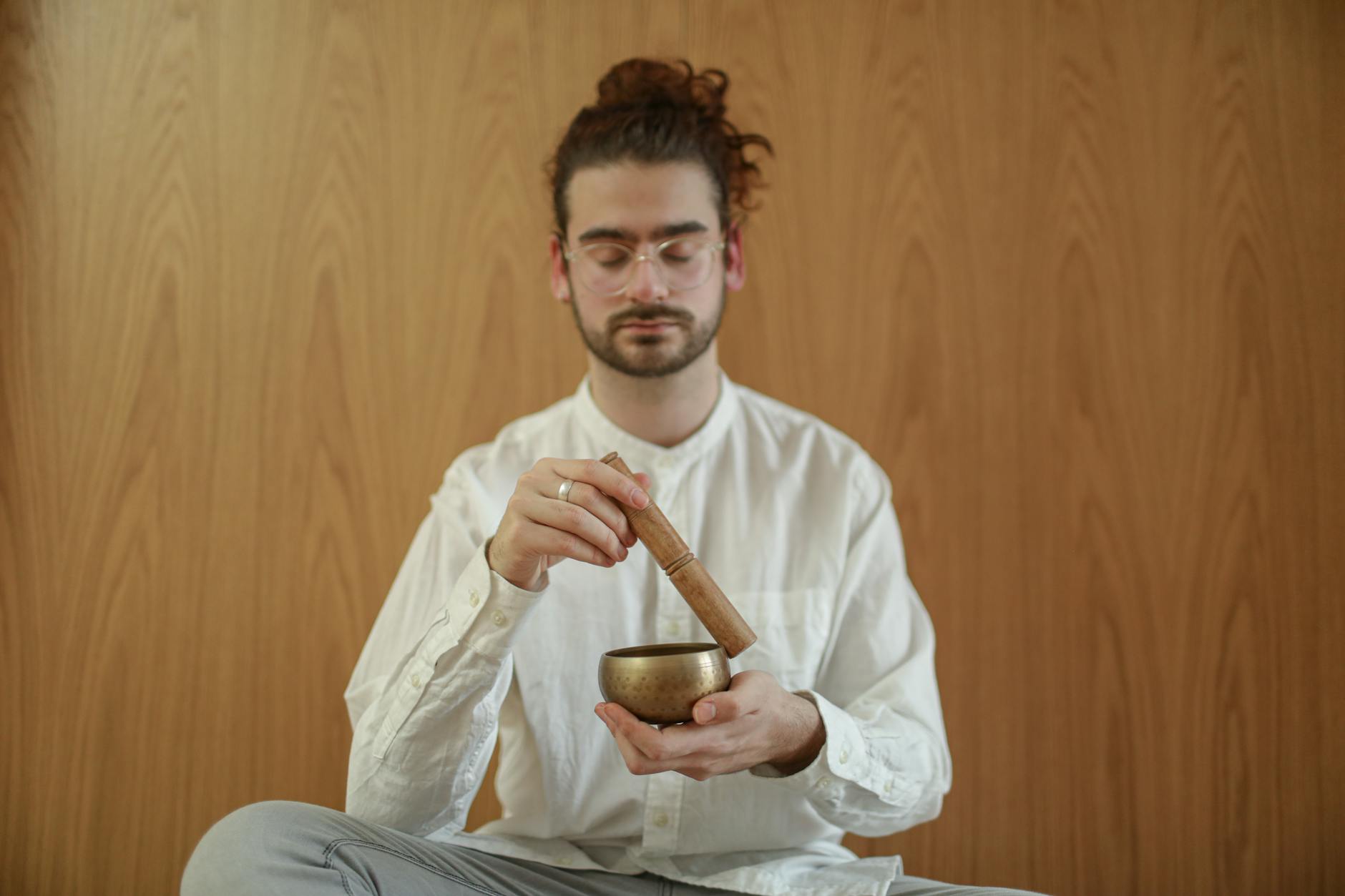
Meditation—a gateway to presence. Train your mind to observe, not attach to fleeting thoughts. Find a cozy spot, close those eyes, and let breath or mantra be your anchor. Start small, perhaps just a few minutes a day, and watch your practice grow.
3. Body Scanning
Ever heard of body scanning? It’s grounding. Lie down, become aware from head to toe, and acknowledge any tension. This practice boosts body awareness—a handy reset for the mind.
4. Digital Detoxing
Ah, social media, our double-edged sword. Its grip often steals us from the now. Set time boundaries for device use. Walk in a park, read a good book. Reconnect with the present moment offline. There’s magic there.
Emotional Resilience Through Presence
Being present cultivates emotional resilience—key for inner tranquility. According to the American Psychological Association, resilience helps us navigate stress and adversity, with presence forming its bedrock. Incorporating gratitude, sensible goal-setting, and a positive outlook can bolster resilience, thanks to being truly present.
Staying Present in Relationships
Presence—it’s transformative. Especially in relationships. Active listening, undivided engagement, empathy—these elevate connections. Ask open-ended questions, hold eye contact. Show you really care. It’s not rocket science; it’s genuine interaction.
Overcoming Common Barriers
Distractions, overthinking, emotional chaos—they’re saboteurs of presence. Recognize and minimize stressors, cultivate positive self-talk, and carve out mindful moments each day. These are your allies against the noise.
The Role of Self-Compassion
Self-compassion–it pairs beautifully with presence to nurture inner calm. Dr. Kristin Neff once highlighted its importance for mental health in coping with failure. Accept lapses in presence as human, embracing kindness toward yourself when focus wavers.
Implementing Inner Calm Essentials in Daily Life
Try these easy daily rituals to reinforce presence:
- Morning Moments: Start the day with a short meditation or gratitude exercise.
- Lunchtime Pauses: Use mindful breathing amid lunch to refocus.
- Evening Contemplation: Review your day, pinpointing times of deep presence to nurture good habits.
Final Thoughts
Presence isn’t a finish line; it’s a journey. By weaving mindful practices, meditation, and self-compassion into daily life, you cultivate what’s needed for a stable, peaceful existence. Relish the beauty in each current moment, and let these practices reshape your everyday experiences.
Embrace your journey towards a calmer you. Seek more resources at MindHaven, they’re just a step away.
References
- Killingsworth, M. A. & Gilbert, D. T. (2010). A Wandering Mind Is an Unhappy Mind. Science, 330(6006), 932.
- Hoge, E. A., et al. (2013). Randomized Controlled Trial of Mindfulness Meditation for Generalized Anxiety Disorder: Effects on Anxiety and Stress Reactivity. Psychosomatic Medicine, 75(7), 721-728.
- American Psychological Association. (2020). The Road to Resilience. APA.
- Neff, K. D. (2003). The Development and Validation of a Scale to Measure Self-Compassion. Self and Identity, 2(3), 223-250.
Join 1.5M+ people using Hapday’s AI-powered tools for better mental health, habits, and happiness. 90% of users report positive changes in 2 weeks.