


The Art of Mindful Living: Cultivating Inner Calm in a Hectic World
Table of Contents
- Understanding Mindful Living
- The Science Behind Mindfulness
- Simple Steps to Incorporate Mindful Living
- Mindful Living and Emotional Well-being
- Cultivating Emotional Resilience
- Overcoming Common Barriers to Mindful Living
- Evolving Your Personal Mindfulness Plan
- Conclusion
Understanding Mindful Living
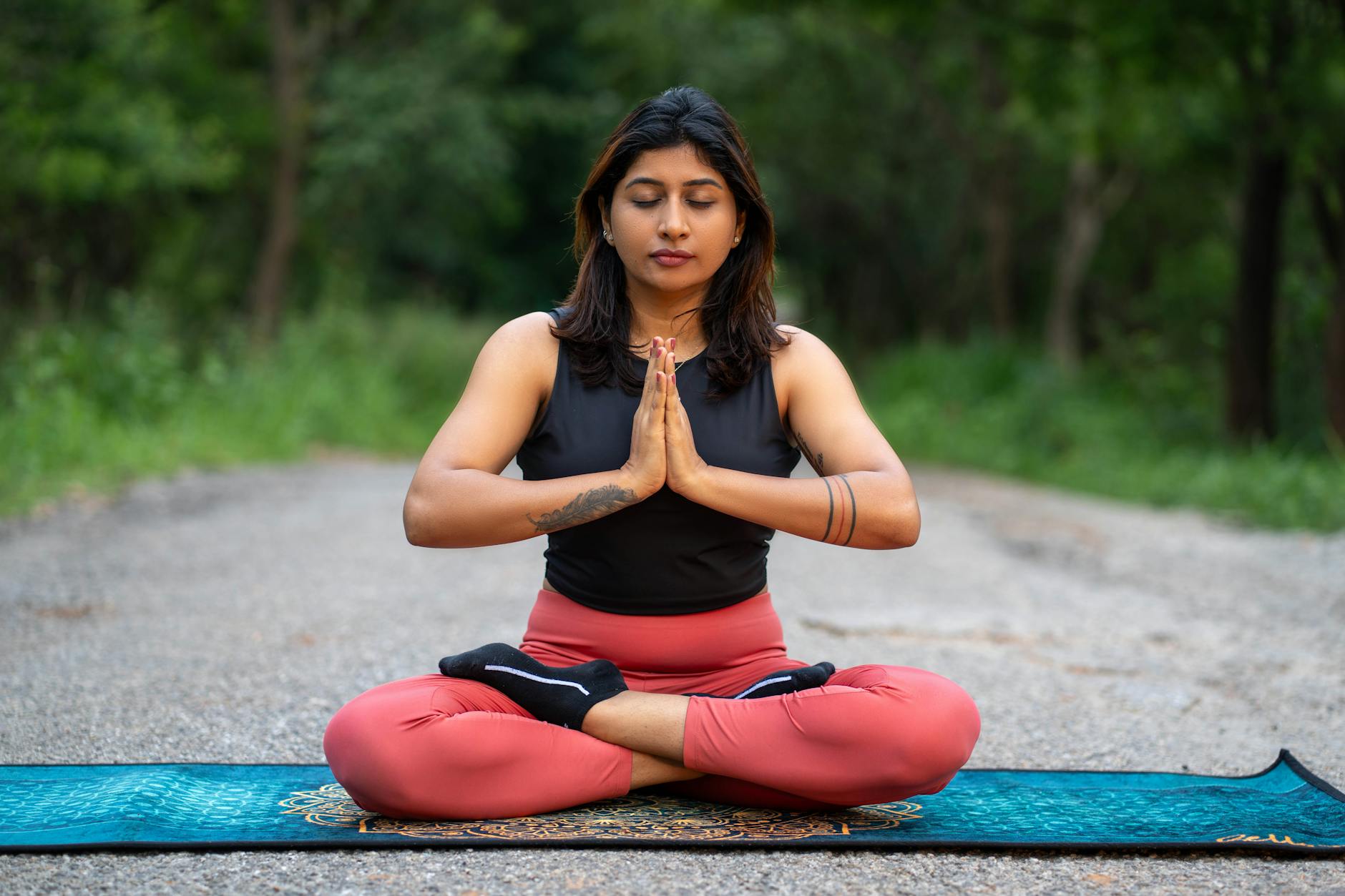
Mindful living stretches far beyond traditional meditation. It’s a holistic lifestyle emphasizing presence, a non-judgmental embrace of the moment, and intentional engagement with the world around you. Back in 2021, research indicated mindfulness effectively reduces anxiety and depression while enhancing our emotional landscape (American Psychological Association). By practicing mindfulness, we nurture a richer awareness and connection with our thoughts, feelings, and environment—a truly deeper dive into our emotional beings.
The Science Behind Mindfulness
The benefits of mindfulness aren’t just poetic musings; science backs them. A seminal study in 2015 by Tang, Holzel, and Posner revealed that regular mindfulness practice increases gray matter in brain areas linked to memory, emotional regulation, and learning. But, who would’ve thought? Mindfulness also diminishes activity in the brain’s “default mode network,” which is often ground zero for stress and anxiety (Nature Reviews Neuroscience). It seems that a calm mind is indeed a fertile ground for well-being.
Simple Steps to Incorporate Mindful Living
- Start Your Day with Intention: It’s simple yet profound—begin the day with a few moments of intentional breathing. This sets a mood that can color your entire day.
- Mindful Eating: Pay attention. Really savor each bite of your meals. Appreciate those flavors and textures. This practice cultivates both awareness and gratitude, don’t you think?
- Technology Detox: Choose specific times in the day when you unplug. This isn’t just about less screen time—it’s about more ‘you’ time.
- Nature Walks: Strolls in nature can profoundly impact your mental health, reducing rumination and improving well-being (Proceedings of the National Academy of Sciences of the United States of America). Nature never judges.
- Gratitude Journaling: Keep a gratitude journal. Reflect daily on the big and small blessings. It’s surprisingly uplifting.
Mindful Living and Emotional Well-being
Mindfulness acts as the bedrock of emotional well-being. It offers tools for a better grasp of one’s emotional landscape, creating less reactive responses to stressors, and fostering a healthier internal dialogue. As Jon Kabat-Zinn, a pioneer in mindfulness, once noted, mindfulness helps us to thrive in the “now”. It liberates us from the shackles of past regrets and future anxieties, a life lesson if there ever was one.
Cultivating Emotional Resilience
Regular mindfulness practice can bolster emotional resilience. Training the mind to notice distractions without reacting allows for a serene sense of control. A study in the Journal of Psychoeducational Assessment found mindfulness practices like meditation significantly decrease stress responses, increasing participants’ resilience. Who doesn’t need a little more resilience, right?
Overcoming Common Barriers to Mindful Living
Despite its evident benefits, the journey toward mindfulness is often obstructed by common barriers: lack of time, discomfort with stillness, consistency struggles. But overcoming these hurdles requires patience and realism. Begin small; gradually extend your mindfulness practices daily. Perfection isn’t the goal—it’s a voyage, not a finish line.
Evolving Your Personal Mindfulness Plan
Mindfulness is versatile—tailor it to fit your lifestyle. Whether through yoga, meditation, or even gardening, customizing your approach will ensure sustainable and rewarding mindful living. Apps like Headspace and Calm have made guided sessions more accessible than ever, even for beginners.
Conclusion
Embracing mindful living offers a sanctuary amid chaos, fostering mental health, emotional freedom, and personal growth. By integrating its core principles, you take a proactive stance toward improving your well-being, resilience, and satisfaction. Why not embark on this journey toward inner peace and resilience today? Reflect—find what speaks to you, and step toward a calmer, more balanced existence.
References:
- American Psychological Association
- Tang, Y.-Y., Holzel, B. K., & Posner, M. I. (2015). The neuroscience of mindfulness meditation. Nature Reviews Neuroscience.
- Bratman, G. N., Hamilton, J. P., & Daily, G. C. (2015). The impacts of nature experience on human cognitive function and mental health. Proceedings of the National Academy of Sciences.
- Journal of Psychoeducational Assessment
By integrating mindful living into your daily tapestry, you craft a nurturing corner where peace and personal growth flourish amid life’s demands. Embrace these practices; start your own serene journey today.
Join 1.5M+ people using Hapday’s AI-powered tools for better mental health, habits, and happiness. 90% of users report positive changes in 2 weeks.