



Emotional Resilience Tips for Inner Calm
Table of Contents
- Understanding Emotional Resilience
- Cultivate Mindfulness
- Build a Support Network
- Practice Self-Compassion
- Develop Problem-Solving Skills
- Continue Learning
- Balance Work and Life
- Cultivate Optimism
- Conclusion
Understanding Emotional Resilience
We can’t really delve into tips before first grasping what emotional resilience truly means. It’s not about dodging stress—rather, it’s about equipping yourself with the tools to handle it deftly. Dr. Ann Masten, a developmental psychologist, describes resilience beautifully as “ordinary magic,” those everyday processes people use to recover from life’s curveballs. In fact, research shows that resilient folks tend to deploy certain coping mechanisms that help them maintain emotional stability, thus boosting their overall sense of well-being.
Cultivate Mindfulness
Mindfulness—it’s not just a trend, it’s a grounding practice for developing emotional resilience. By anchoring our attention in the present moment, without casting judgment, we begin to observe our thoughts and feelings with clarity.
- Practicing Mindfulness Meditation: Research published in the journal Emotion demonstrates a marked decrease in anxiety and an uptick in resilience through mindfulness meditation. It doesn’t take much—just five minutes a day. Focus on your breath, let thoughts drift by without engagement, and gently return to that breath.
Build a Support Network
Having a network you can lean on is a pillar of emotional resilience. Engaging with a community provides a canvas to share tales and gain new insights.
- Foster Strong Relationships: The American Psychological Association notes that building and nurturing robust relationships fortifies our emotional resilience. Such connections offer emotional support, validation, and advice. Have you reached out to those who lift you lately?
Practice Self-Compassion
Being self-compassionate means treating yourself with kindness and understanding during the rough patches—none of that harsh inner critic business.
- Be Gentle with Yourself: Dr. Kristin Neff’s studies underline that self-compassion intertwines with emotional resilience. When self-criticism rears its head, counter it with the kindness you’d offer a good friend. This shift lessens negativity, paving the way for a more restorative mindset.
Develop Problem-Solving Skills
Problem-solving is a linchpin for emotional resilience, enabling proactive rather than reactive approaches to life’s challenges.
- Utilize Effective Problem-Solving Techniques: Deconstruct big issues into manageable bites. Per the Harvard Business Review, methods like root-cause analysis can shine a light on the heart of your issue, helping you tackle it without getting lost in overwhelm.
Continue Learning
A penchant for learning can fuel resilience. Embracing a growth mindset turns obstacles into stepping stones for personal evolution.
- Embrace Continuous Learning: Psychologist Carol Dweck’s work on growth mindset illustrates that seeing failure as a chance to learn bolsters resilience. Try new ventures, embrace new knowledge, and dare to step beyond your comfort zone—this strengthens emotional fortitude.
Balance Work and Life
Keeping stress at bay often means striking a harmonious work-life balance to stave off burnout.
- Prioritize Leisure and Recreation: Studies show that pursuing hobbies and joyful activities replenishes your emotional reserves. Sprinkle regular breaks and leisure time into your schedule—your future self will thank you.
Cultivate Optimism
Optimism is intimately tied to resilience and overall well-being. Viewing situations through a more hopeful lens helps sustain motivation through hard times.
- Engage in Positive Reframing: Research documented in Psychological Bulletin found that focusing on positives in situations can enhance resilience. Consider gratitude journaling to spotlight the good amidst the chaos, reinforcing a sturdy, resilient outlook.
Conclusion
Charting the course toward developing emotional resilience is key to rediscovering that serene inner calm, even amidst life’s tempests. By embracing mindfulness, forging a supportive network, practicing self-compassion, refining problem-solving skills, indulging in continuous learning, achieving work-life symbiosis, and cultivating optimism, you lay a solid foundation of resilience. These strategies, well-backed by research, equip you to face adversity with newfound emotional strength.
Embrace these emotional resilience tips to find your inner calm. When life’s storms seem relentless, let this guide be a beacon leading you to balance and peace. Remember, resilience isn’t static; it’s a skill you can refine over time, leading you toward a life marked by fulfillment and mindfulness.
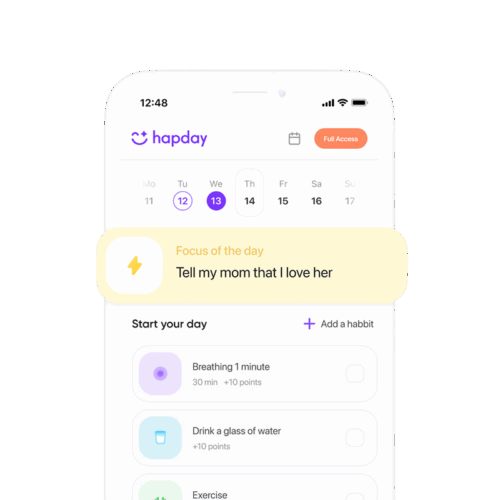
Join 1.5M+ people using Hapday’s AI-powered tools for better mental health, habits, and happiness. 90% of users report positive changes in 2 weeks.