

Finding Inner Calm: Essential Personal Growth Habits
Table of Contents
- Understanding Why Inner Calm Matters
- Mindfulness Meditation
- Gratitude Journaling
- Regular Physical Activity
- Digital Detoxes
- Establishing a Sleep Routine
- Practicing Self-Compassion
- A Tapestry of Calm
Understanding Why Inner Calm Matters
Inner calm isn’t just a buzzword; it forms the bedrock of mental health and personal development. Chronic stress — a silent intruder — is linked to anxiety, depression, and heart problems, as detailed by the American Psychological Association. Isn’t it time we took this seriously? By embracing inner calm, we don’t merely build emotional resilience; we enhance life’s quality across the board.
1. Mindfulness Meditation
Mindfulness meditation can be transformative. This practice beckons you to watch the present—without casting judgment. Remarkably, the journal Psychological Science found that a modest 10 minutes of mindfulness daily diminishes anxiety while sharpening focus.
How to Start:
- Begin with a mere five minutes; ease into it.
- Center on your breathing, noticing thoughts without clinging.
- Try apps like Headspace or Calm for gentle guidance.
2. Gratitude Journaling
Gratitude: it’s more than feel-good fluff. It’s science-backed art. As the Journal of Happiness Studies revealed, those who practice gratitude report increased well-being and diminished stress. Sounds simple, doesn’t it?
Effective Gratitude Journaling:
- Pen down three daily things you’re grateful for.
- Ponder on how these shape your life positively.
- Commit to this habit—watch positivity flourish.
3. Regular Physical Activity
Here’s a no-brainer investment: get moving. According to the Anxiety and Depression Association of America, exercise can cut anxiety by 20%. The secret? Endorphins—those little mood-boosters coursing through your veins.
Ideal Exercises:
- Yoga or Tai Chi: They don’t just stretch — they ground.
- Aerobic routines: Pump up that heart, clear the mind.
- Stroll or jog daily: nature invites reflection, doesn’t it?
4. Digital Detoxes
Screens dominate our lives. Their glow—often unkind to our mental health—can increase exhaustion and anxiety, reports the American Journal of Preventive Medicine. Are we aware of how much time we actually spend connected?
Try a Digital Detox:
- Designate tech-free hours—especially before dreamland.
- Craft screen-free zones; like your bedroom.
- Dive into offline joys: read, solve puzzles, unleash creativity.
5. Establishing a Sleep Routine
Sleep is non-negotiable. The Centers for Disease Control and Prevention suggest adults need 7-9 hours nightly for optimal well-being. Yet, how often do we prioritize repose? Sleep rituals enhance rest—and bring on that much-desired tranquility.
Tips for Restful Slumber:
- Stick to a schedule—weekends aren’t exempt.
- Unwind before bed: read, meditate, breathe…
- Cut caffeine and electronics—your sleep will thank you.
6. Practicing Self-Compassion
Ah, self-compassion. It’s a balm for the soul. Dr. Kristen Neff’s research shows that self-compassion increases resilience and satisfaction. Can we dare be kind to ourselves, flaws and all?
Ways to Embrace Self-Compassion:
- Admit imperfections sans judgment.
- Cultivate positive dialogue with self.
- Allow rest—balance matters when overwhelmed.
A Tapestry of Calm
Embracing inner calm through these habits is a lifelong journey, not a sprint. Practices like mindfulness, gratitude journaling, exercise, digital detoxing, and solid sleep routines weave serenity into existence. They’re steps — tiny yet mighty — you take towards a life not just lived, but enjoyed. Personal growth, after all, is a conscious choice made in the quiet moments between life’s clamor. We’ll meet you there.
Ready to Dive in?
Begin your quest for an inner haven; try these habits, witness the transformation gradually. For further guidance and community support, explore more at MindHaven.
References:
1. American Psychological Association. (2018). Stress: What you need to know.
2. Journal of Happiness Studies. (2015). The Power of Gratitude.
3. Anxiety and Depression Association of America. (2016). Exercise for Mental Health.
4. American Journal of Preventive Medicine. (2017). The Impact of Screen Time on Mental Health.
5. Centers for Disease Control and Prevention. (2017). Sleep and Health.
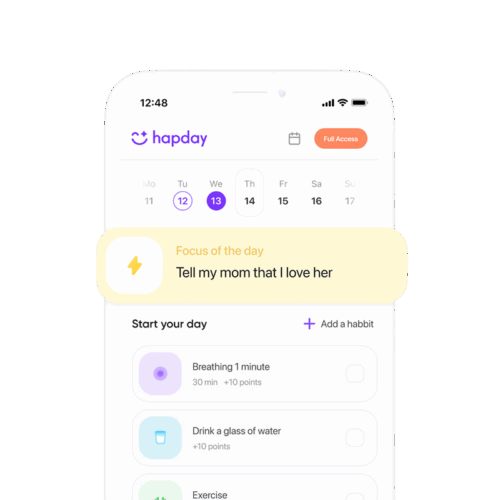
Join 1.5M+ people using Hapday’s AI-powered tools for better mental health, habits, and happiness. 90% of users report positive changes in 2 weeks.