


How to Set Healthy Boundaries for Self-Care
Table of Contents
- Understanding Boundaries for Self-Care
- Why We Struggle With Boundaries
- The Science Behind Boundaries
- How to Identify When Your Boundaries Are Being Tested
- Practical Steps to Setting Boundaries
- Why Setting Boundaries is Empowering
- Cultivating Civic and Digital Boundaries
- Community Boundaries: When and Where to Build Bridges
- The Healthy Boundary Life Cycle
- Looking Forward
- Summary and Call to Action
- References
Key Takeaways
- Setting healthy boundaries is essential for self-care and mental well-being.
- Boundaries are often misinterpreted as selfishness rather than a necessary form of self-respect.
- Utilizing clear communication and self-affirmation can enhance boundary-setting.
- Embracing the evolving nature of boundaries is key to personal growth.
- Practicing digital hygiene can aid in maintaining emotional peace.
Understanding Boundaries for Self-Care
We’ve all been there: hunched over our desks late into the night, with the laptop glow eerily highlighting our mounting fatigue. Your pocket vibrates—a friend needs a favor, your boss has sent another email, expecting a quick reply. You sigh, feeling like you’re unraveling at the seams. Sound familiar? You’re not alone. This endless juggling act is the silent struggle of many—because setting healthy boundaries, a pillar of self-care, is often neglected.
“Boundaries act as invisible lines demarcating where your influence ends and another’s begins. They’re fundamental to mental health and well-being.”
— Dr. Sarah Chen, NYU
Now, this isn’t about alienating people or constructing impregnable walls. It’s about choosing to prioritize yourself—without that annoying guilt. Emotional, physical, time-bound, digital: these boundary types each require recognition to safeguard your space.
Why We Struggle With Boundaries
Why is asserting these limits so tough? The answer, often, is fear—fear of conflict, fear of disappointing others, or just the fear of seeming selfish. A rather engrained belief many of us battle with. Society has a way of framing boundary-setting as self-centeredness. Remember Maya, a 28-year-old who buried herself in work post-divorce, endlessly saying “yes” to avoid loneliness? It took therapy for her to see she was using work as a shield against solitude.
The Science Behind Boundaries
Research, such as a 2021 study from the BBC, highlights how boundary-setting boosts emotional intelligence and resilience. When you enforce limits, your brain rewards you with a surge of satisfaction, feeling valued and safe. Thus, the foundation for solid self-care is laid, and stress begins to ebb away.
“Boundaries strengthen the prefrontal cortex—the brain’s executive hub—enhancing decision-making and emotion regulation.”
— Dr. Emily Roberts, Author of “Express Yourself”
How to Identify When Your Boundaries Are Being Tested
Got that constant knot in your stomach? Restlessness? Exhaustion? These might be your boundaries being tested. Ask yourself: Am I burdening myself with commitments I dread? Surrounding myself with people who deplete my energy? Jay, 32, was “the organizer” amongst friends until the exhaustion led to resentment. Counseling helped him learn to say no, protecting his energy reserves.
Practical Steps to Setting Boundaries
- Reflect on Your Needs: Before setting your boundaries, delve into what you genuinely need. A journaling session could offer unexpected insights.
- Communicate Clearly and Compassionately: Use phrases like “I feel overwhelmed when…” to communicate needs without confrontation.
- Expect Respect and Practice Self-Affirmation: Your health deserves respect. Self-affirmation can boost self-esteem, making boundary-setting smoother.
- Consistent Reinforcement: It isn’t a “set and forget” deal. Consistency is key; sometimes a gentle reminder helps solidify your stance.
- Seek Support if Needed: A therapist or counselor can provide guidance, easing the process of boundary-setting. Sometimes we all need a helping hand.
Why Setting Boundaries is Empowering
Creating boundaries not only shields your mental space but expands your emotional ability to nurture self-care. Stand firm against societal pressures and put yourself first—you’re setting a powerful precedent for self-respect. Take Amelia, an overwhelmed software engineer whose art passion wilted under work strain. By reserving time for painting, she reignited her creativity, which improved her overall well-being—a claim echoed by studies in the Harvard Business Review.
Cultivating Civic and Digital Boundaries
Our hyper-digital world necessitates an additional layer of boundaries. Endless notifications, the incessant demand for instantaneous responses—these can erode peace. Strategies for a digital detox might include setting “device-free zones” in your home, curating uplifting social media feeds, and enforcing screen curfews.
Community Boundaries: When and Where to Build Bridges
Engaging with communities requires balance. Knowing when to dive in and when to step back is crucial for keeping your personal peace intact. Whether you’re connecting in your local area or virtually, consider the quality of interactions over sheer quantity. Take Lisa’s community yoga classes—by reducing her attendance, she found balance and contentment without severing crucial ties.
The Healthy Boundary Life Cycle
Remember, setting healthy boundaries isn’t a one-time event. Life changes—so too should your boundaries. Embrace growth and adapt. And if you falter, know you’re not alone; a good therapist can guide you toward clarity and solutions that fit your evolving needs.
“Boundaries aren’t set in stone; they evolve with you. They’re not about perfection—they’re a practice of compassion and growth.”
— Dr. Laura Casner, Wellness Coach
Looking Forward
As you journey toward healthier boundaries, remember to be gentle with yourself. This is an act of love—a testament to your worth. Boundaries enable you to live genuinely, carving out a path where peace, respect, and self-acceptance thrive.
Summary and Call to Action
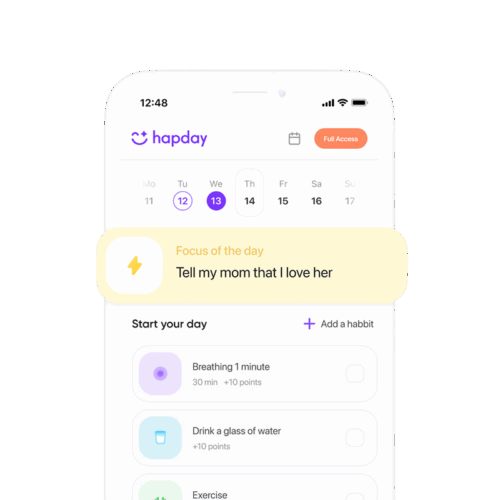
Boundaries are central to emotional health and self-care, diminishing stress while enhancing well-being. They’re a testament to self-value, requiring time, patience, and understanding. For structured help in boundary setting and overall wellness, consider exploring Hapday AI Life Coach—an app that personalizes wellness programs, offers guided sessions, and tracks habits. Transform your self-care approach today.
The Bottom Line
By committing to this self-care journey, you affirm your value and plant seeds for a life imbued with balance, satisfaction, and tranquility. Welcome this change and enjoy your mindful living odyssey.
References
- American Psychological Association
- Mayo Clinic
- Harvard Business Review on hobbies and productivity
Join 1.5M+ people using Hapday’s AI-powered tools for better mental health, habits, and happiness. 90% of users report positive changes in 2 weeks.