



Why Your Mindfulness for Beginners Plan Stalls
On a Tuesday night, you light a candle, prop your phone against a stack of novels, and cue up a five-minute session labeled “Mindfulness for Beginners.” You’re trying so hard to do this right. For three evenings it feels tender and possible. Then work runs late, your roommate’s blender screams at 7 a.m., and suddenly the new practice evaporates. If this sounds familiar, you’re not broken—you’re human. And there are grounded reasons a beginner plan can stall, even when you care deeply about feeling calmer and more present. I’ve watched this pattern in newsrooms, clinics, and my own kitchen table at 10 p.m., when I swear I’ll sit… then don’t.
Here’s the honest thing many of us don’t hear at the start: beginner meditation isn’t just about sitting still; it’s about changing how your brain, body, and daily rhythms cooperate. Yes, mindfulness can reduce perceived stress and ease anxiety—programs like MBSR (Mindfulness-Based Stress Reduction) have shown benefits for many people (Harvard Health; NIH/NCCIH). Back in 2011, a widely cited Harvard-linked paper reported structural brain shifts after sustained practice. Still, if your plan keeps fizzling, the gap isn’t willpower—it’s design, context, and nervous system readiness. That’s my read after 15 years covering this beat. Let’s walk through what derails new practitioners and how to rebuild a plan that actually sticks.
Table of Contents
Key Takeaways
- Beginner mindfulness often stalls due to nervous system arousal, environmental friction, and rigid expectations—not lack of willpower.
- Design tiny, anchored practices (1–3 minutes) tied to everyday cues to build consistency.
- Prime safety first (exhale-lengthened breaths, gentle movement) before stillness, especially under stress.
- Self-compassion fuels momentum better than perfection; plan for misses with if-then backups.
- Meaning over metrics: connect each session to a personal “why” to make practice stick.
What’s really happening when you “just can’t stick with it”
When Maya, 28, went through her divorce, she opened a mindfulness-for-beginners app with the fierce hope it would quiet the churn. On day six, she lasted two minutes before her chest tightened. “I thought I failed,” she told me later. But she hadn’t failed. Her brain had done exactly what a vigilant, hurting brain does—it scanned for threat. Under significant stress or grief, your sympathetic nervous system is often too activated to drop straight into stillness. That’s not resistance; that’s physiology. The American Psychological Association underscores how relaxation skills can help downshift stress responses, and why gentler on-ramps matter when the nervous system is amped (APA). During the 2020 lockdowns, The Guardian reported soaring downloads for meditation apps—and a parallel wave of people saying silence felt like too much, too soon.
“If you try to meditate when your system is in high alert, your body doesn’t register stillness as safe. It registers stillness as exposure. We build safety first, then stillness.”
— Dr. Elena Ruiz, Clinical Psychologist and Mindfulness Researcher
I’ve seen more than a dozen beginners blame themselves for what is, in truth, a predictable stress response.
Why your beginner momentum falters—and how to meet it wisely
You treated mindfulness like a task, not a behavior change
Why this matters: New habits rarely take off on motivation alone. The NIH notes that healthy behavior change depends on small, repeatable cues and rewards that fit your real life, not your ideal life. When mindfulness is framed as a daily checkbox, it competes with everything else on your list—emails, laundry, one more scroll. If it lives solely on your to-do app, it will keep losing to louder tasks.
How to adjust: Treat mindfulness for beginners as a micro-behavior stitched into an existing anchor—like the moment you pour coffee or lock your front door. One minute of attention, three breaths, or a 30-second body scan becomes the seed.
“Your brain loves certainty and context. ‘After I brush my teeth, I do three breaths’ is a plan your brain can run on autopilot.”
— Mark Patel, M.P.H., Behavioral Scientist and Habit Coach
Your nervous system needed a runway
Why this matters: It’s hard to sit if your heart is pounding or your thoughts are racing. Mindfulness practice is easier when you first help the body shift toward parasympathetic (rest-and-digest) mode. Reviews summarized by Harvard Health suggest mindfulness reduces perceived stress over time, but the first minutes can feel jagged if your internal engine is revved.
How to adjust: Before a sit, give your body a cue of safety. Try a 60-second hand-warming hold (palms over your belly), a gentle exhale-focused breath (inhale 4, exhale 6), or a slow walk to the window to name three colors you see. Then begin. You’re not cheating—you’re priming.
You aimed for time, not place and mood
Why this matters: Beginners often chase “15 minutes daily” without asking where they’ll be sitting or how they want to feel afterward. Time goals are brittle; environmental design is sticky.
How to adjust: Create a “practice corner” that invites you back. One folded blanket and a plant is enough. Keep a timer and headphones there. Choose a short, specific mood target—“calm alertness” or “soft focus”—and let that guide your session choice. Small, sensory-stable rituals—lighting a candle, touching the same mug—signal safety and predictability to your nervous system.
Perfection sneaked in wearing a hoodie labeled “Consistency”
Why this matters: Consistency is helpful, but inflexible rules often trigger self-criticism, which undermines motivation. If you treat a missed day as failure, your brain learns that meditation equals shame.
How to adjust: Build “compassionate consistency.” Expect two misses per week and call them “rest days.” When you skip, name one thing you did that was mindful—savoring lunch, pausing before replying.
“Self-compassion isn’t a reward; it’s the fuel. Without it, you run out fast.”
— Dr. Elena Ruiz, Clinical Psychologist and Mindfulness Researcher
Silence felt prickly—or even unsafe
Why this matters: For some, especially those with trauma histories, closing the eyes in silence can amplify distress. While meditation is generally safe, people with certain mental health conditions can experience uncomfortable symptoms and may benefit from trauma-sensitive adaptations. No practice is worth retraumatizing yourself.
How to adjust: Keep eyes open with a soft gaze. Choose movement-based or sensory-led practices: mindful walking, washing dishes with full attention, or tracing the outline of your hand with your breath. If sitting still spikes panic or dissociation, consider trauma-informed guidance from a licensed therapist.
Your plan fought your sleep and caffeine, and sleep always wins
Why this matters: Sleep debt impairs attention and emotion regulation, which makes sustained focus harder. Extra caffeine can further elevate arousal, making stillness feel edgy.
How to adjust: Pair brief practice with sleep hygiene. Choose a tiny evening wind-down: two pages of slow reading, a warm shower, or a screen dimmer one hour before bed. Trade one afternoon coffee for a short walk, then practice a two-minute breath. The practice doesn’t replace sleep—it leverages it.
You didn’t plan for friction or make “if-then” maps
Why this matters: On busy days, the path of least resistance wins. Pre-deciding what you’ll do when plans wobble preserves momentum.
How to adjust: Write three if-then statements and keep them on your phone:
- If I miss my morning sit, then I’ll do three breaths while my lunch heats.
- If my mind is wild, then I’ll switch to a five-minute body scan lying down.
- If I’m traveling, then I’ll walk mindfully for 200 steps at the airport.
You chased streaks, not meaning
Why this matters: App streaks can spark action, but intrinsic motivation—the felt sense of why this matters to you—makes it stick.
How to adjust: Before each session, whisper one purpose that matters today: “So I don’t snap at my partner,” “So I can notice the good,” “So anxiety has fewer decisions to make for me.” Attention follows meaning.
A more humane way to restart: Rethinking mindfulness for beginners
If you’ve quit three times, you’re closer than you think. You now know where your plan rubs against the grain of real life. Try this gentle two-week reset, not as a rigid challenge but as an experiment in kindness.
Days 1–3: Safety first, then focus
Why it works: Downshifting arousal helps your attention settle. It’s a runway, not a detour.
How to do it: Morning or evening, spend one minute with exhale-lengthened breaths (4 in, 6 out) while your hand rests on your belly. Then do 60 seconds of mindful hearing: notice far sounds, near sounds, silence between.
Days 4–6: Make it concrete and visible
Why it works: The brain remembers places and props. Environmental cues reduce the energy cost of getting started.
How to do it: Set up a small practice corner. Light a candle and sit for three minutes. Choose an anchor—breath at the nostrils or sounds around you. When your mind wanders, label “thinking,” then return. That’s the rep; that’s the work.
Days 7–9: Try movement-led mindfulness
Why it works: Gentle motion can be more regulating when energy is high. Mindful movement practices also support stress relief.
How to do it: Walk slowly for five minutes. Feel the heel, arch, and toe. Or stretch your arms overhead and exhale as you lower them, matching breath to motion.
Days 10–12: Practice in context you already have
Why it works: Habit science leans on consistent contexts more than strict times. The clock lies; context doesn’t.
How to do it: Pick one daily anchor: after brushing teeth, pressing the elevator button, or closing your laptop. Do two minutes of open awareness. If your day unravels, do it while waiting in line.
Days 13–14: Add meaning and compassion
Why it works: Motivation deepens when practice touches your values. Self-compassion supports persistence through imperfect days.
How to do it: Start by naming your why out loud. End by placing a hand on your heart and saying, “May I meet today with steadiness.” If you skipped a day, say, “That happens. I’m here now.” And mean it—it’s okay to be human.
“Beginners think the win is an empty mind. The real win is noticing you’re gone and coming back with warmth. That’s mindfulness, not mind-emptiness.”
— Sister Anya Lewis, Meditation Teacher
Case stories to remind you you’re not alone
Jordan, 24, a grad student juggling two jobs, tried 20-minute sits and bailed by day three. He reframed his mindfulness-for-beginners plan into “three breaths after each class.” After two weeks, he noticed less dread before seminars. “I still get anxious,” he said, “but I catch it earlier, and it doesn’t own me.” Mindfulness isn’t a cure-all, but small, consistent moments can shift how anxiety drives your day.
Priya, 31, a new parent, found silent meditation made her hyper-aware of intrusive thoughts at night. She switched to open-eye practices: watching the steam from her tea for one minute, feeling her daughter’s heartbeat against her chest, and a mindful shower where she named scents and sensations. “It counted,” she said. “And it fit.” Adapting the vehicle can make the ride smoother.
Your brain on practice: what changes, what doesn’t
Mindfulness practice can strengthen attention and emotional regulation over time. Research points to changes in brain regions linked with memory, sense of self, empathy, and stress after sustained practice, including increased gray matter density in parts of the hippocampus. That doesn’t happen in a week, and it doesn’t require monk-level discipline. It grows with repeated, compassionate returns. The chemistry follows the choreography of your days.
“Don’t measure your meditation by how calm you felt. Measure it by how many times you remembered to begin again.”
— Dr. Elena Ruiz, Clinical Psychologist and Mindfulness Researcher
Troubleshooting your unique sticking points
- If boredom hits: The novelty has worn off; your brain seeks stimulation. Change the sensory doorway. Shift from breath to sound or from sitting to walking. Shorten the session and heighten curiosity: What is one sensation right now I’ve never noticed before?
- If distress rises: Unprocessed emotion surfaces when you pause. Keep eyes open, anchor in touch (feel your feet), and shorten the sit. Follow up with a grounding activity: warm tea, a quick tidy, or a brief check-in with someone safe. Consider support from a therapist if distress persists.
- If time disappears: Competing demands and decision fatigue. Attach your practice to something unavoidable—bathroom breaks, meals, doorways. One mindful inhale-exhale at each doorway in your home adds up to minutes without scheduling a thing.
- If you keep forgetting: The plan relies on memory, not cues. Set physical reminders in your environment—Post-its at the kettle, a mala bead in your pocket, a calendar alert named “Pause for two breaths.”
Designing a plan your future self can keep
Think of your mindfulness-for-beginners plan as a living, breathing ecosystem. It needs light (meaning), water (consistency), soil (context), and pruning (flexibility). Try this blueprint:
- Meaning: Name a monthly theme—“patience,” “clarity,” “kindness.” Let your sessions echo that.
- Modalities: Keep two practices in rotation: one still, one moving. Choose based on energy.
- Micro and macro: Commit to a micro-practice daily (60–120 seconds) and a macro-practice 2–3 times weekly (5–10 minutes).
- Anchors: Place your practice near natural pauses—waking up, commuting, meals, bedtime.
- Repairs: Pre-write your self-talk for missed days: “Of course I missed—that was a hard day. I’m back.”
- Supports: Use an app or coach if you like structure. The right guide adapts to you, not the other way around.
About 60-second takeaway: Mindfulness works best when it meets your nervous system and your actual life. Build tiny, anchored practices, design for friction, and lead with self-compassion. Over time, small returns reshape attention and ease stress in ways research supports.
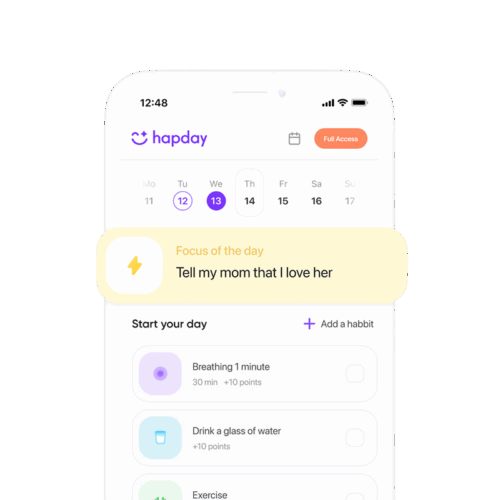
Try Hapday AI Life Coach for a gentle, personalized reboot—24/7 guided sessions, habit tracking, and wellness programs that fit your day. Download here.
The Bottom Line
If your mindfulness-for-beginners plan has stalled, it doesn’t mean you lack discipline or depth. It means your brain asked for safety, your body asked for pacing, and your life asked for design that honors both. Start microscopically, anchor in places you already are, and let kindness be your north star. When you miss—and you will—notice that you noticed. That’s the muscle growing. That’s mindfulness finding you exactly where you are.
References
- Harvard Health Publishing – Mindfulness meditation may ease anxiety, mental stress
- Harvard Health Publishing – Mindfulness meditation changes brain structure
- National Center for Complementary and Integrative Health (NIH) – Meditation and Mindfulness: What You Need to Know
- American Psychological Association – Relaxation techniques
- American Psychological Association – The science of self-compassion
- NIH News in Health – Creating Healthy Habits
- Centers for Disease Control and Prevention – How Much Sleep Do I Need?
- National Institute of Mental Health – Any Anxiety Disorder
- National Institute of Mental Health – Major Depression
- Mayo Clinic – Meditation: A simple, fast way to reduce stress
Join 1.5M+ people using Hapday’s AI-powered tools for better mental health, habits, and happiness. 90% of users report positive changes in 2 weeks.